India isn’t just a country you visit, it’s a feeling that stays with you long after you leave. From snow-capped Himalayan valleys to sun-kissed tropical islands, the world’s seventh-largest nation offers a diversity of experiences that few places on Earth can match.
But with 28 states, 8 union territories, and countless destinations, where do you even begin?
Whether you’re planning your first trip or your fiftieth, knowing where millions of other travelers are going, and why, is the smartest way to start. This guide combines official tourism data, Google search trends, and on-the-ground insights to bring you the definitive list of India’s most-visited and most-searched destinations in 2026.
Planning your India itinerary? Use this guide as your starting point—bookmark it, share it, and let it inspire your journey through Incredible India.
These verified figures, drawn from official tourism boards and industry research reports, provide essential context for understanding India’s booming travel landscape:
Which is the No. 1 tourist place in India? Based on Google’s Year in Search 2025 and official visitor data, the Maha Kumbh Mela in Prayagraj topped all destination searches in India, followed by Kashmir and Somnath. Here is the complete ranked overview:
Rank | Destination | Best Known For | Best Time to Visit |
|---|---|---|---|
1 | Maha Kumbh Mela, Prayagraj | World’s largest spiritual gathering | Jan–Feb 2025 (once in 12 years) |
2 | Kashmir | Dal Lake, snow-capped peaks, Mughal gardens | Mar–Oct (summer) / Dec–Feb (snow) |
3 | Somnath, Gujarat | Jyotirlinga temple by the Arabian Sea | Oct–March |
4 | Pondicherry | French colonial charm, beaches, yoga | Oct–March |
5 | Kochi, Kerala | Backwaters, Fort Kochi, Chinese fishing nets | Oct–Feb |
6 | Coorg, Karnataka | Coffee plantations, misty Western Ghats | Oct–March |
7 | Varanasi, Uttar Pradesh | Ganges ghats, spiritual capital of India | Nov–Feb |
8 | Ladakh | High-altitude lakes, monasteries, trekking | Jun–Sep |
9 | Rann of Kutch, Gujarat | White salt desert, Rann Utsav festival | Nov–Feb |
10 | Andaman & Nicobar Islands | Pristine beaches, diving, tropical paradise | Oct–May |
Maha Kumbh Mela is the world’s largest human gathering, held every 12 years at the Triveni Sangam, the sacred confluence of the Ganga, Yamuna, and mythical Saraswati rivers in Prayagraj, Uttar Pradesh.

Topping Google’s Year in Search 2025 as the most searched destination in India, the Maha Kumbh Mela drew tens of millions of pilgrims and curious travelers to witness this extraordinary spiritual spectacle, featuring elaborate bathing rituals, religious ceremonies, and spiritual discourses.
Why It’s #1: The 2025 edition generated exceptional search interest as millions planned their journey to this once-in-twelve-years spiritual event.
Best Time: January–February 2025 (the next Maha Kumbh Mela)
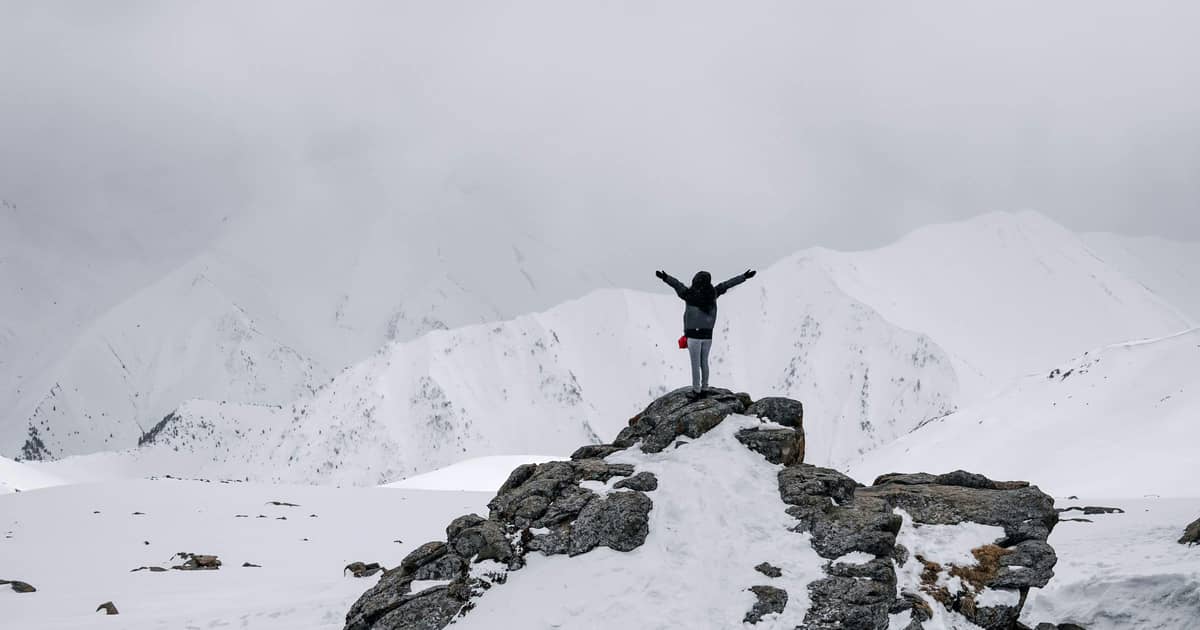
Kashmir is India’s most celebrated mountain destination, receiving a historic 2.35 crore tourists in 2024, its highest-ever recorded figure, with over 95 lakh domestic visitors in just the first half of 2025 alone.
Once synonymous with conflict, Kashmir is experiencing a remarkable tourism renaissance. Improved safety conditions, boutique stays, curated local experiences, and the valley’s timeless beauty are drawing travelers in unprecedented numbers. From houseboats on Dal Lake to skiing in Gulmarg, Kashmir offers something for every season.
Best Time: March to October for pleasant weather; December to February for snow activities
Pro Tip: Book houseboats directly after inspecting them in person; prices are negotiable during the off-season.
The Somnath Temple is one of India’s 12 sacred Jyotirlingas dedicated to Lord Shiva, situated directly on the Arabian Sea coast in Gujarat, making it one of the country’s most atmospheric religious sites.
Ranked #9 on Google’s most-searched destinations list, Somnath has benefited from improved connectivity and the new Somnath Promenade. The sound-and-light show narrating the temple’s remarkable history of destruction and reconstruction across centuries is a major draw for visitors.
Best Time: October to March
Temple Timings: 6:00 AM to 9:30 PM (Aarti times vary seasonally)
Pondicherry is a former French colony and Union Territory on India’s south-east coast, renowned for its colonial architecture, clean streets, thriving café culture, and more than 200 yoga studios, attracting 19 lakh visitors in 2024.
This unique destination continues to captivate travelers seeking a blend of French flair and Indian soul. Digital nomads, honeymooners, and wellness seekers all find something to love here, from the promenade at sunrise to experimental living at Auroville.
Best Time: October to March
Pro Tip: Heritage walking tours of the French Quarter are available through multiple operators—take one on your first morning to orient yourself.
Kochi is a historic port city on Kerala’s Malabar Coast that recorded a 30% year-on-year rise in international search interest in 2025, ranking it among Booking.com’s top global trending destinations for 2026.

Fort Kochi’s blend of Portuguese, Dutch, and British colonial history, the iconic Chinese fishing nets, a thriving contemporary art scene, and Kerala’s legendary backwaters create a destination that feels both exotic and accessible to first-time international visitors.
Best Time: October to February (monsoons June–September bring heavy rain)
Getting Around: Uber and auto-rickshaws are readily available. Rent a bicycle in Fort Kochi for the best exploration experience.
Coorg (Kodagu) is a coffee-growing district in Karnataka’s Western Ghats, consistently ranked among the best places to visit in India for slow travelers, wellness seekers, and anyone looking for authentic farm experiences.
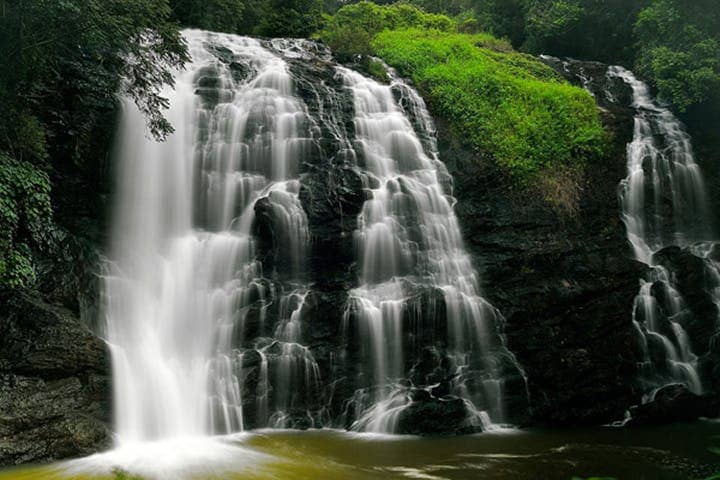
Growing eco-tourism initiatives, farm-to-table dining, and the rise of work-from-anywhere culture have made Coorg a favorite for extended stays. Lush coffee plantations, cozy homestays, and hiking trails that feel both wild and warm make it an evergreen choice.
Best Time: October to March (monsoons are beautiful but trekking is challenging)
Accommodation Tip: Homestays offer the most authentic Coorg experience and typically include traditional Kodava cuisine.
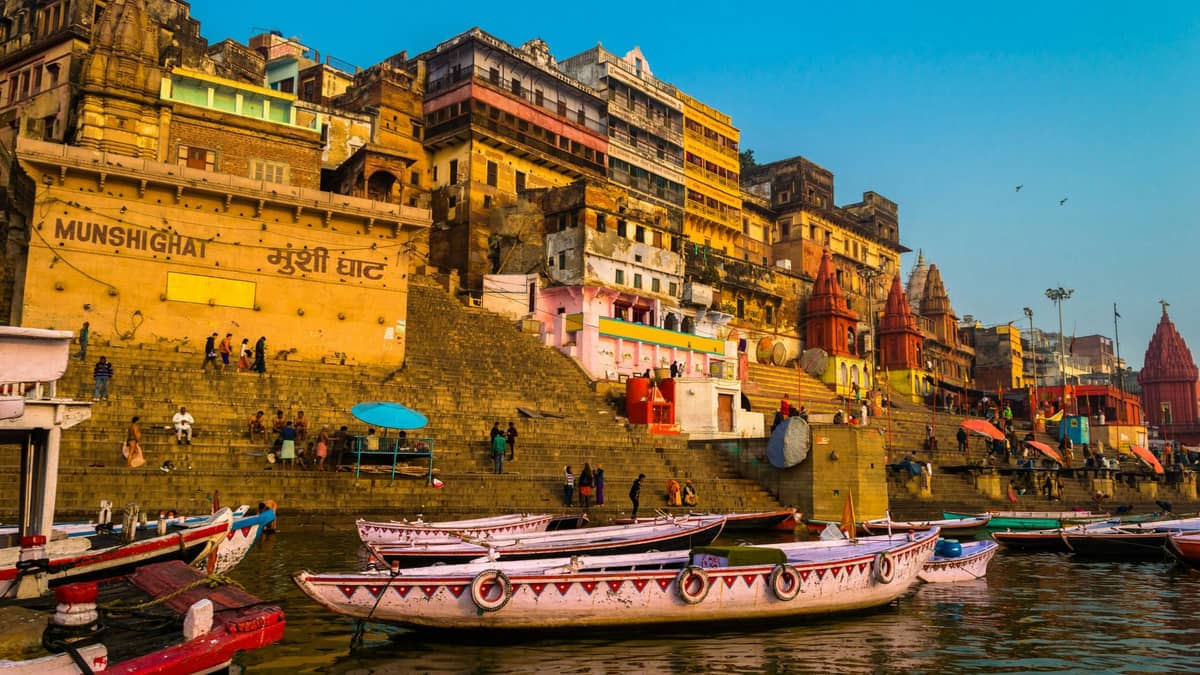
Varanasi is one of the world’s oldest continuously inhabited cities and India’s most important Hindu pilgrimage destination, situated on the western bank of the Ganges in Uttar Pradesh.
Evening aartis, the ghats glowing at sunrise, and the hum of spirituality that lingers in the air remain timeless. At the same time, the city’s evolving riverside cafés, art walks, and heritage stays are drawing a younger, culture-curious crowd.
Best Time: November to February (summers are extremely hot)
Pro Tip: Hire a certified guide for the old city—the labyrinthine lanes are impossible to navigate alone, and the stories bring the city alive.
Ladakh is India’s northernmost union territory, situated at altitudes ranging from 2,750 to over 5,000 metres, offering some of the subcontinent’s most dramatic landscapes, including Pangong Lake, ancient monasteries, and world-class trekking routes.
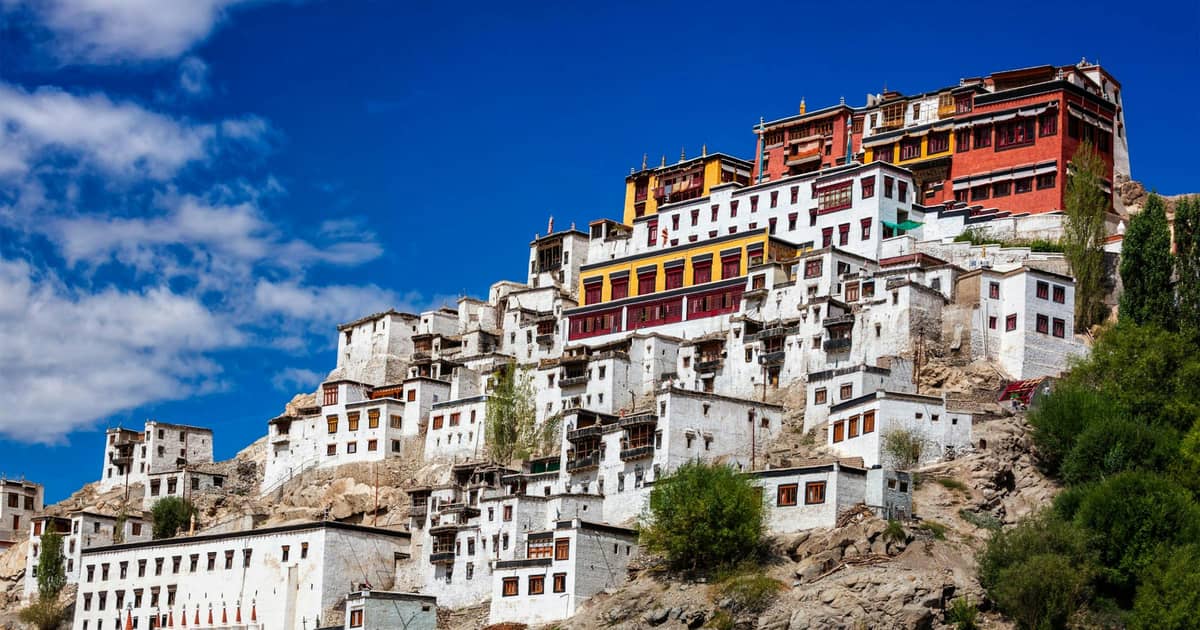
Once known solely for rugged terrain and challenging roads, Ladakh now balances adventure with luxury. Boutique glamping camps, sustainable trekking routes, and stargazing lodges are redefining travel to this remote region.
Acclimatisation Is Non-Negotiable: Spend at least 24–48 hours in Leh before attempting high-altitude excursions. Drink plenty of water, avoid alcohol, and listen to your body.
Best Time: June to September (when mountain roads are open)
Getting There: Direct flights to Leh from Delhi are available year-round. The Manali–Leh Highway opens mid-June; the Srinagar–Leh Highway opens in May.
The Rann of Kutch is the world’s largest salt flat, located in Gujarat’s Kutch district, transforming into a spectacular white desert landscape every winter during the Rann Utsav festival (November to February).
Whether it’s a moonlit camel ride, local artistry and folk music, or desert luxury tents under a million stars, Kutch celebrates India’s vibrant spirit in one of its most visually stunning settings.
Why Full Moon Matters: The white salt desert reflects moonlight spectacularly—plan your visit around full moon dates for the magical experience you’ve seen in photographs.
Best Time: November to February (Rann Utsav runs through these months)
Pro Tip: Book Rann Utsav packages through Gujarat Tourism’s official website to avoid unauthorised operators.
The Andaman and Nicobar Islands are an archipelago of 572 islands in the Bay of Bengal, featuring some of Asia’s finest coral reefs, consistently ranking Radhanagar Beach among Asia’s top-rated beaches.
Pristine coral reefs, luxury beachfront stays, and water sports upgrades make the Andamans an increasingly popular alternative to international beach destinations like Phuket or the Maldives.
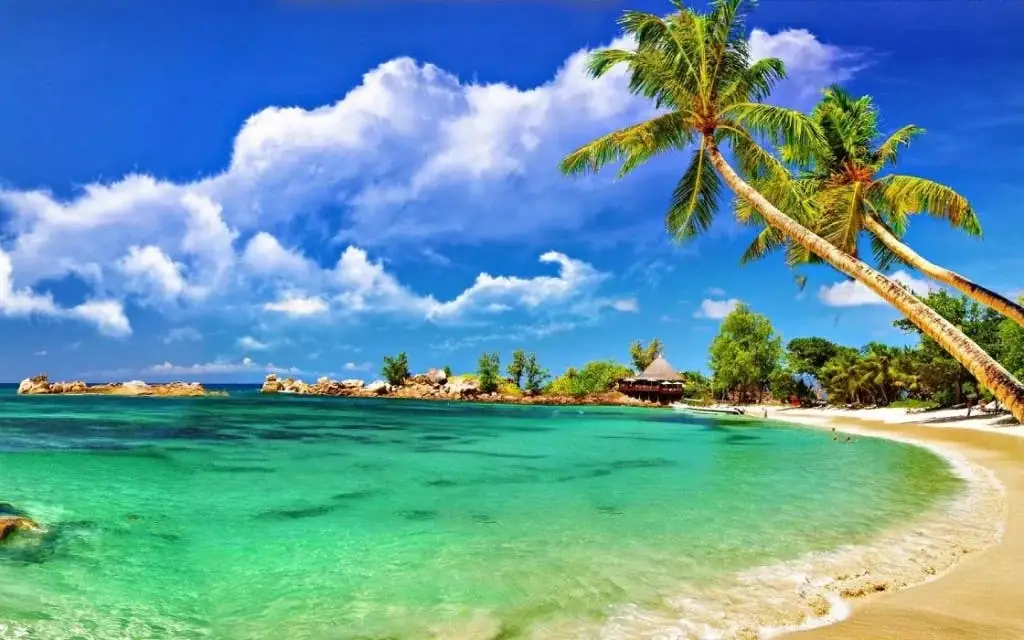
Best Time: October to May (monsoons bring rough seas and ferry cancellations June–September)
Permits: Indian citizens do not need permits. Foreign nationals need a Restricted Area Permit (RAP) available on arrival.
The Golden Triangle, connecting Delhi, Agra, and Jaipur, is consistently India’s highest-volume international travel search query and the recommended starting point for first-time visitors to the country.
This route combines the Mughal grandeur of the Taj Mahal in Agra, the medieval splendour of Jaipur’s Amber Fort and Hawa Mahal, and the colonial and modern energy of New Delhi. It can be completed comfortably in 6–8 days.
Best Time: October to March for all three cities
Pro Tip: Book Taj Mahal tickets online in advance, the queues for walk-in tickets are extremely long.
Jorhat is India’s single fastest-growing travel destination, with search interest surging 493% in 2025– 2026, surpassing global names including Berlin and Phuket among Indian travelers, according to Skyscanner’s Travel Trends Report 2026.
This quiet Assamese town offers lush tea gardens, colonial history, rich cultural heritage, and the desire for authentic, offbeat experiences that are increasingly in demand. Top experiences include visiting Cinnamora—the world’s oldest continuously operating tea estate—exploring Majuli Island (the world’s largest river island), and staying in a heritage tea bungalow.
Meghalaya is a Northeastern state that is rapidly emerging as one of India’s most photographed and community-driven travel destinations, featuring living root bridges, crystal-clear rivers, hidden caves, and Mawlynnong—recognised as the cleanest village in Asia.
Best Time: October to April (monsoons are extremely heavy, it is one of the rainiest places on Earth)
While this guide focuses on domestic destinations, Indian outbound travel is surging. The top five internationally trending searches from India in 2026 are:
Rank | Destination | Why It’s Popular |
|---|---|---|
1 | Philippines | Palawan named “World’s Best Island” |
2 | Georgia | European charm at affordable prices |
3 | Mauritius | Luxury beach honeymoons |
4 | Phu Quoc, Vietnam | Named “most beautiful island in Asia” |
5 | Phuket, Thailand | Nightlife and water sports |
Based on Google’s Year in Search 2025, the Maha Kumbh Mela in Prayagraj was India’s most searched destination. Among permanent destinations, Kashmir receives the most total annual visitors, recording 2.35 crore tourists in 2024.
The Taj Mahal in Agra is India’s most visited monument, typically receiving 7–8 million visitors annually. It is a UNESCO World Heritage Site and the anchor of the popular Golden Triangle tourist circuit.
Uttar Pradesh consistently ranks as India’s most visited state due to the Taj Mahal, Varanasi, Mathura, Ayodhya, and the Kumbh Mela. Tamil Nadu and Maharashtra also rank among the top three for total visitor numbers.
The best time to visit most of India is October to March, when temperatures are pleasant across the plains and Himalayan foothills. April to June brings extreme heat in the plains. The monsoon (June to September) affects most regions except the south-east coast, which receives rainfall from October to December.
For 7 days, the Golden Triangle (Delhi–Agra–Jaipur) is the most popular choice for first-time visitors. Alternatively, Kerala (Kochi–Munnar–Alleppey backwaters) or Rajasthan (Jaipur–Jodhpur–Udaipur) each work well in 7 days.
Pondicherry, Hampi (Karnataka), Varanasi, and McLeod Ganj (Himachal Pradesh) are consistently among India’s most budget-friendly destinations. Accommodation, food, and transport in these towns cost significantly less than in metropolitan or Himalayan resort areas.
A realistic minimum is 10–14 days for one region—for example, the Golden Triangle plus Himalayas, or South India’s Kerala plus Tamil Nadu. India is vast. Attempting to cover multiple regions in under two weeks leads to exhaustion rather than enjoyment.
Yes, with standard precautions. Stick to tourist-friendly destinations, avoid travelling alone after dark, use reputable transportation providers, and stay in well-reviewed accommodations. All destinations listed in this guide have established tourism infrastructure and see many solo female travelers each year.
Most foreign nationals require a visa. The e-Visa is available for citizens of over 160 countries and can be applied for online at indianvisaonline.gov.in. Tourist e-Visas are available for 30 days, 1 year, or 5 years.
India remains one of the world’s most affordable destinations. Budget travelers can manage on $20–30/day; mid-range travelers on $50–80/day; and luxury travelers on $150+/day, excluding international flights.
Get updates, exclusive deals, insider tips & special offers—straight to your inbox!
 USA: +1 (415) 718-2654
 IND: +91 9629929970
 IND: +91 9629929970
 USA: +1 (415) 718-2654