Travel has always been a dream for people who love discovering new places. But sometimes, work, money, or health can make it hard to pack a bag and fly away. This is where virtual reality travel is changing the way we see the world. With just a headset or even a mobile app, you can explore destinations from home in a way that feels close to real.
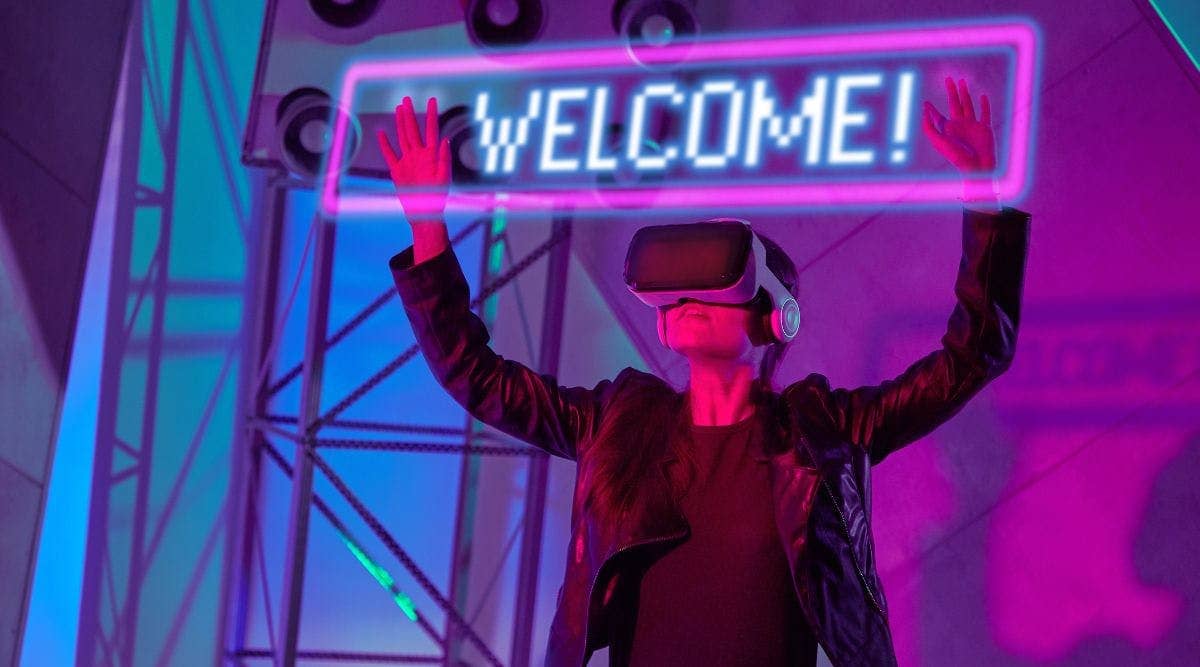
Virtual reality travel uses VR technology to create an experience that feels like you are standing inside another place. Instead of looking at flat photos, you can look around in 360 degrees. You can walk through streets, step inside landmarks, and even hear the local sounds. It is more than just watching a video. It feels like you are part of the scene
The idea of VR tourism is not new, but it has become popular in recent years. Many people now use virtual tours to see places they may not be able to visit in real life. Here are a few reasons why it is growing fast:
Read on: How Do AI Travel Planners Handle Last-Minute Changes or Cancellations
The best part of virtual reality travel is how many places you can explore without moving an inch. Imagine walking inside the Colosseum in Rome, diving into the Great Barrier Reef, or watching the northern lights in Iceland. These virtual tours let you enjoy the highlights of world travel without needing a passport.
Some platforms even add guided narration, so you can learn stories about each place. Others add 3D sounds and interactive options that make the experience richer. This makes digital travel experiences useful not only for fun but also for planning real trips later.
Many travelers now use virtual tours before booking holidays. They check hotel rooms, explore city streets, and even test activities like hiking or museum visits. This gives them a clear idea of what to expect. In short, VR makes planning smarter and more enjoyable.
Here are some of the main benefits of using virtual reality travel:
Not everyone can fly long distances. Older adults, people with disabilities, or those with health limits can still enjoy VR tourism.
Traveling across countries can be expensive. But digital travel experiences give a taste of world culture at a low cost.
Families can take a virtual tour together. Kids can explore space museums, jungles, and historic sites while learning.
By choosing VR travel, you reduce your carbon footprint. Fewer flights mean less pollution, making it a greener choice.
The future of VR tourism looks bright. New platforms are adding more realistic graphics, smoother movement, and even scents to make experiences more real. Hotels and airlines are also using VR to attract customers. Museums and travel companies are creating digital travel experiences that can inspire people to book actual trips later.
As internet speed and technology improve, VR will become more common in daily life. In a few years, it may feel as normal as streaming movies today.
Learn More: What are the Advantages of AR and VR in Tourism
Nothing can replace the feeling of touching sand on a beach, tasting local food, or meeting new people. But virtual reality travel offers a great way to enjoy the world when you cannot leave home. It is also perfect for testing destinations before planning a big holiday.
Virtual reality travel is more than a trend. It is a door to the world for people who want to see, learn, and enjoy new places from home. With growing platforms, VR tourism will only get better. Whether you want to plan your next holiday, teach your kids about history, or simply enjoy a digital escape, virtual tours bring the world closer to you.
Get updates, exclusive deals, insider tips & special offers—straight to your inbox!
 USA: +1 (415) 718-2654
 IND: +91 9629929970
 IND: +91 9629929970
 USA: +1 (415) 718-2654