Travel has changed dramatically in recent years. Not everyone can take long trips due to work, budget, or time constraints. Virtual reality travel offers a solution. With VR travel adventures, people can explore destinations around the world without leaving home. This technology creates immersive experiences that feel almost real.
VR travel uses virtual reality technology to recreate real-world destinations in a digital format. Users wear VR headsets to experience 360-degree views of cities, landmarks, museums, and natural wonders. Sounds, visuals, and interactive features make it feel like you are physically there.
This type of travel is ideal for those who cannot travel often. It allows exploration of new cultures, landscapes, and experiences without the cost or time of actual travel.
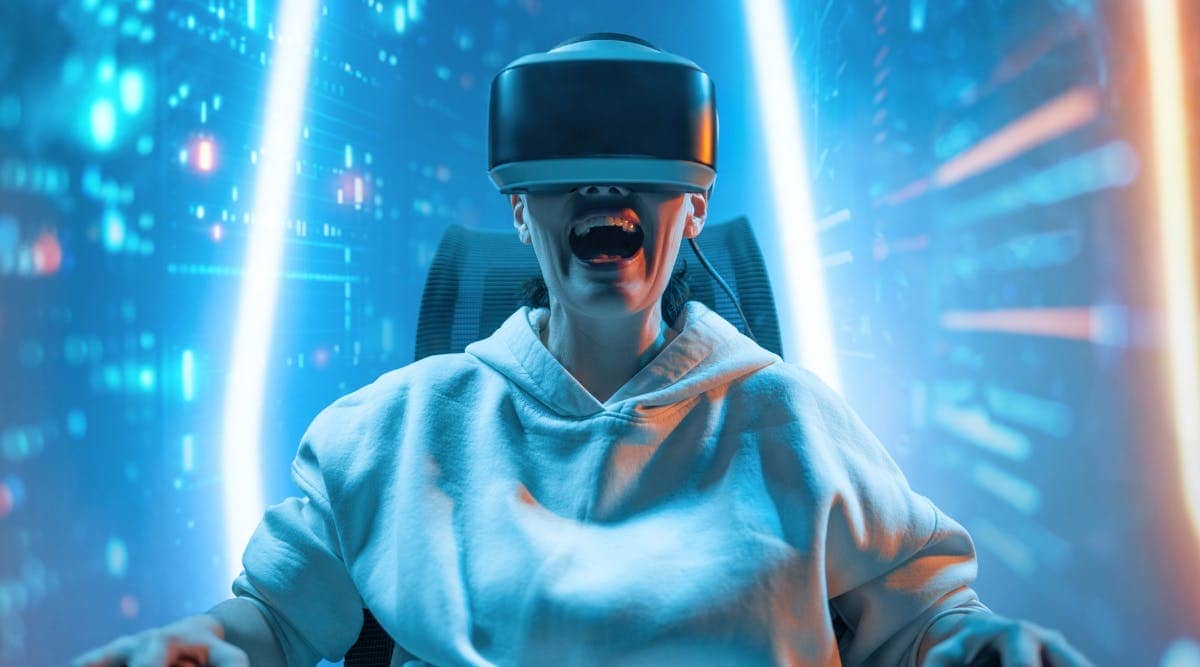
VR travel platforms use AI and 3D mapping to create detailed simulations of popular destinations. Users can navigate streets, enter museums, or hike trails. Many platforms also provide guided tours with narration or interactive features.
For example, a VR user can visit the Eiffel Tower, explore its observation deck, and hear historical facts. Or they can walk through the Great Wall of China, experiencing its length and surroundings virtually.
Artificial intelligence enhances VR travel experiences. AI can recommend destinations based on user interests, create interactive guides, and personalize tours. Some systems even adjust environments to simulate weather, time of day, or crowd density.
AI also powers virtual travel assistants, which answer questions, provide tips, and guide users through the virtual journey. This makes the experience more engaging and lifelike.
Also Known: Which AI Tool Is Best for Finding Last-Minute Flight Deals?
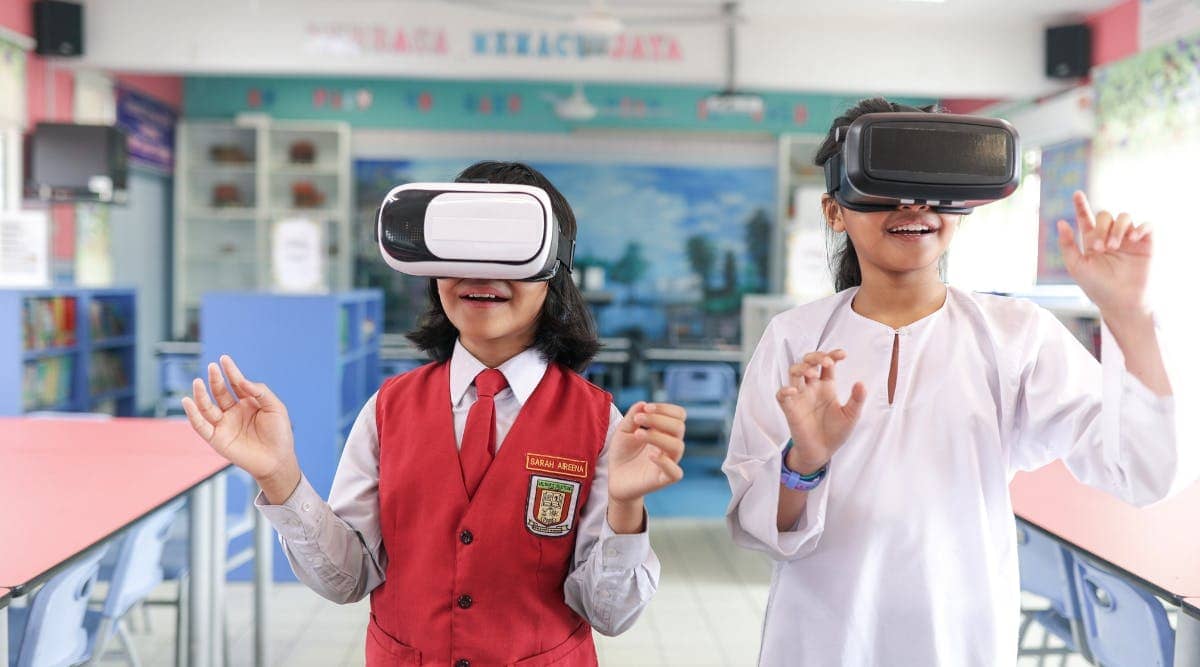
VR travel is not just for individual travelers. Families can enjoy experiences together without worrying about logistics. Schools and universities use VR travel to teach students about history, geography, and culture. Students can explore ancient civilizations or world landmarks interactively.
This immersive learning helps retain information and sparks curiosity about different parts of the world.
The future of VR travel looks promising. Advances in AI, haptic feedback, and high-resolution VR will make experiences even more realistic. Travelers may soon feel textures, smells, and movement in virtual environments.
VR can also complement physical travel. Users may preview destinations before visiting, plan trips better, and discover.
You May Also Like The Rise of Virtual Tourism
VR travel adventures let people explore the world without packing a bag or boarding a plane. They combine virtual reality technology, AI personalization, and immersive experiences to create travel that is accessible, cost-effective, and educational.
From famous landmarks to hidden natural wonders, VR allows users to satisfy curiosity, enjoy new adventures, and gain cultural insights from the comfort of home.
Get updates, exclusive deals, insider tips & special offers—straight to your inbox!
 USA: +1 (415) 718-2654
 IND: +91 9629929970
 IND: +91 9629929970
 USA: +1 (415) 718-2654