IND: +91 9629929970
 USA: +1 (415) 718-2654
Best Time to Visit Australia: Finding Your Perfect Season
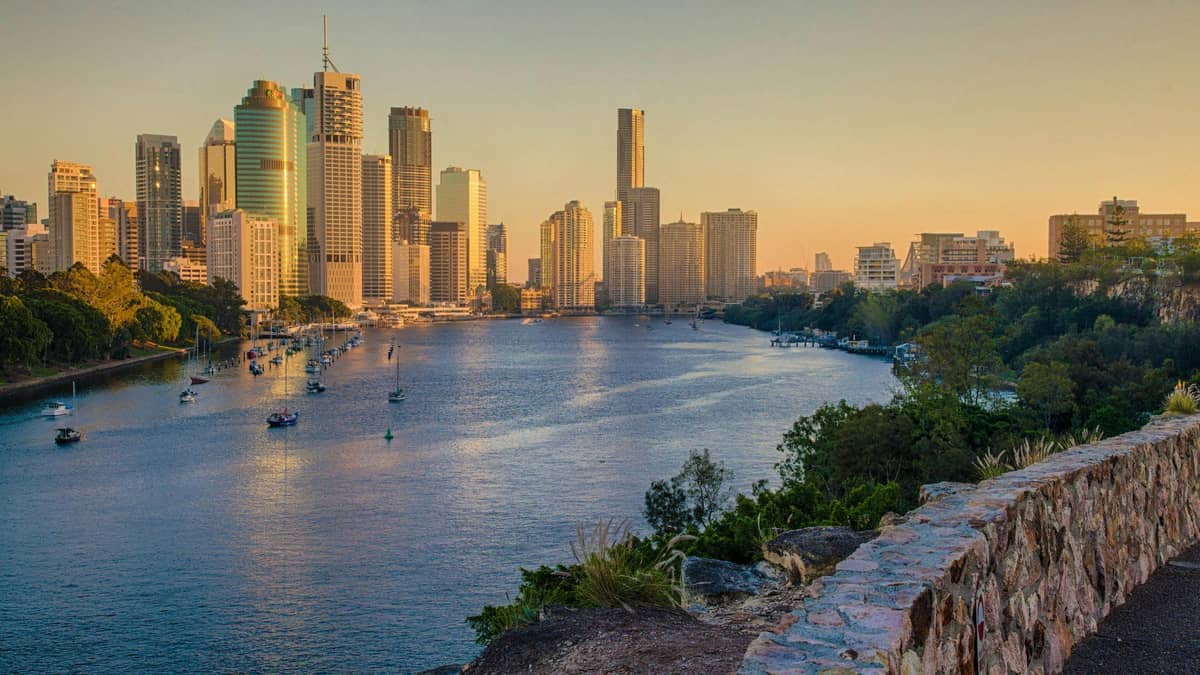
Australia is a land of contrasts from the sun-soaked beaches of Queensland to the rugged Outback, alpine peaks in Victoria and New South Wales, and tropical rainforests in the north. With its vast size, climates vary widely, so there’s no single “best time” to visit.
Whether you’re a beach lover, nature explorer, festival-goer, or adventure seeker, this guide helps you choose the ideal months to experience Australia’s highlights, including weather, crowds, and travel tips.
Australia’s Seasons at a Glance
Australia experiences four main seasons, but they differ depending on the region:
- Summer (December–February) – Hot in the interior and south, tropical north is humid. Great for beaches and festivals.
- Autumn (March–May) – Pleasant temperatures, fewer crowds, and colorful landscapes. Ideal for city tours and road trips.
- Winter (June–August) – Cool in the south, mild in the north. Skiing in alpine regions is at its peak.
- Spring (September–November) – Mild, blooming landscapes, and perfect for outdoor adventures.
For most travelers, spring and autumn offer the best balance of weather and accessibility.
Month-by-Month Guide: Best Time to Visit Australia
January: Summer Vibes and Beach Escapes
Vibe: Hot, lively, and festive. Coastal regions are buzzing with tourists.
Weather: 25–35°C in southern cities; 30–40°C in the Outback; tropical north humid with occasional showers.
Crowds & Prices: High, particularly in Sydney, Melbourne, and coastal resorts.
Pros: Perfect for beaches, surfing, and summer festivals like Sydney Festival.
Cons: Heat in the Outback can be extreme; high accommodation costs.
Best For: Beach lovers, festival-goers, and adventure travelers.
February: Coastal Adventures and Tropical Rainforests
Vibe: Warm, tropical, with vibrant festivals and carnival events.
Weather: Similar to January; occasional tropical storms in northern regions.
Crowds & Prices: Still high; book tours and accommodation in advance.
Pros: Great for diving in the Great Barrier Reef, exploring Queensland rainforests.
Cons: Humidity and rainfall in the tropics; summer heat inland.
Best For: Nature enthusiasts, scuba divers, and festival visitors.
March: Autumn Begins with Comfortable Weather
Vibe: Mild, colorful, and perfect for outdoor activities.
Weather: 20–28°C in southern cities; 25–30°C in northern tropics.
Crowds & Prices: Moderate; shoulder season begins.
Pros: Ideal for road trips, hiking in Blue Mountains, and sightseeing in cities.
Cons: Rain can occur in northern tropical regions.
Best For: Culture lovers, photographers, and outdoor adventurers.
April: Blooming Landscapes and Scenic Drives
Vibe: Pleasant, refreshing, and ideal for exploring the countryside.
Weather: 18–25°C in major cities; cooler in alpine regions.
Crowds & Prices: Low to moderate; travel more affordably.
Pros: Great for vineyard tours, hiking, and wildlife spotting.
Cons: Some northern regions may start experiencing rain.
Best For: Couples, first-time visitors, and nature lovers.
May: Start of Autumn Charm
Vibe: Warm, crisp air, and colorful foliage in southern regions.
Weather: 15–22°C in southern cities; 20–28°C in north.
Crowds & Prices: Moderate; hotels and flights less expensive.
Pros: Ideal for sightseeing, cultural festivals, and bushwalking.
Cons: Early rains in northern tropical areas.
Best For: All-round travelers, family trips, and cultural enthusiasts.
June: Winter in the South, Mild in the North
Vibe: Cool and crisp in southern cities; mild and sunny in northern tropics.
Weather: 10–18°C in Melbourne/Sydney; 18–25°C in northern Queensland.
Crowds & Prices: Low in most regions; high in ski resorts.
Pros: Skiing in the Snowy Mountains, whale watching in Hervey Bay, mild northern weather.
Cons: Cold in southern areas; shorter daylight hours.
Best For: Ski enthusiasts, nature explorers, and off-season travelers.
July: Peak Winter and Alpine Fun
Vibe: Cool, adventurous, and perfect for snow sports.
Weather: 8–16°C in southern cities; mild north.
Crowds & Prices: High in ski regions, low elsewhere.
Pros: Best time for snowboarding, skiing, and cozy city stays.
Cons: Cold temperatures in south; limited outdoor water activities.
Best For: Winter sports lovers, families, and couples seeking alpine retreats.
August: Late Winter and Wildlife Watching
Vibe: Crisp, dry, and ideal for wildlife adventures.
Weather: 10–18°C south; mild north.
Crowds & Prices: Moderate; ski season continues early in August.
Pros: Whale migration, outback tours, sunny days in northern regions.
Cons: Limited beach activity in south.
Best For: Nature enthusiasts, photographers, and wildlife watchers.
September: Spring Awakens
Vibe: Blooming landscapes, pleasant temperatures, and festivals.
Weather: 15–22°C in southern cities; 20–28°C north.
Crowds & Prices: Moderate; shoulder season perks.
Pros: Ideal for garden tours, national parks, and cultural events.
Cons: Occasional showers in tropics.
Best For: Garden lovers, photographers, and couples.
October: Spring in Full Swing
Vibe: Mild, colorful, and festival-rich.
Weather: 18–25°C south; 22–30°C north.
Crowds & Prices: Moderate; early summer starts in northern beaches.
Pros: Whale watching, spring festivals, vineyard tours.
Cons: Some tropical rain possible.
Best For: Families, culture seekers, and nature enthusiasts.
November: Pre-Summer Warmth
Vibe: Warm, sunny, and beach-ready in many regions.
Weather: 20–28°C south; 25–32°C north.
Crowds & Prices: Rising; early summer tourists.
Pros: Great for beaches, diving, and coastal drives.
Cons: Northern humidity increases.
Best For: Beach lovers, snorkelers, and adventure travelers.
December: Summer Festivals and Beach Holidays
Vibe: Hot, festive, and vibrant.
Weather: 25–35°C south; 28–38°C north; tropical storms possible.
Crowds & Prices: Peak season; book early.
Pros: Christmas celebrations, New Year’s Eve events, beach activities.
Cons: Hot temperatures inland, crowded coastal resorts.
Best For: Festival-goers, beach lovers, and family vacations.
More Information on the Ideal Time to Visit Australia
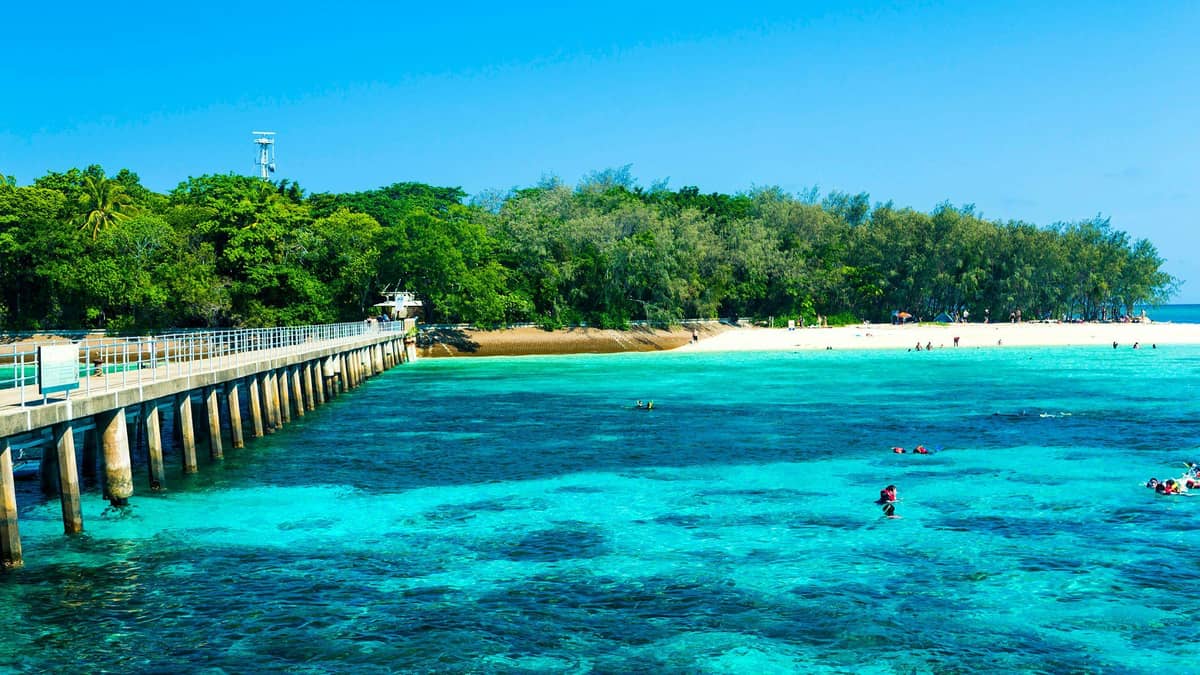
- Late December to February in the Outback and Northern Queensland can be extremely hot and humid. Temperatures often exceed 40°C, with high humidity and occasional tropical storms.
- What Makes It Uncomfortable:
Daytime sightseeing in cities and the Outback can be exhausting.
Outdoor activities like hiking, camping, or visiting Uluru may be dangerous due to heat.
Northern beaches may experience storms, affecting diving and island-hopping.
Tip: For comfort, spring (September–November) or autumn (March–May) is ideal.
Which Season is Best for Your Australia Travel?
For First-Time Visitors
Best Time: March to May or September to November
These months offer the perfect balance of pleasant weather and manageable crowds. Spring brings blooming gardens, vibrant wildlife, and mild coastal temperatures, while autumn delivers warm days and crisp evenings. Explore Sydney’s iconic landmarks, Melbourne’s cultural districts, the Great Ocean Road, and the vineyards of Barossa Valley without facing extreme heat or wet season challenges.
Why It’s Ideal: Comfortable temperatures (15–28°C in southern cities, 20–30°C in northern regions), easy logistics, and excellent opportunities for sightseeing, photography, and combining city, nature, and coastal experiences.
For Budget Travelers
Best Time: June to August
Winter is the off-season in most parts of Australia (except ski resorts), offering significant discounts on hotels and airfare. Northern regions like Queensland remain mild, while southern cities like Sydney, Melbourne, and Adelaide are cooler, providing an affordable and less crowded travel experience.
Why It’s Ideal: Lower prices, relaxed attractions, and the chance to enjoy a quieter, authentic Australia. Perfect for travelers willing to layer up and embrace cooler weather for big savings.
For Families
Best Time: September to November and March to May
Shoulder seasons deliver pleasant, kid-friendly weather without extreme summer heat. Families can enjoy wildlife parks, coastal adventures, theme parks like Gold Coast’s Dreamworld, and sightseeing in cities with fewer crowds.
Why It’s Ideal: Balanced climate (20–30°C), family-oriented hotels offering seasonal activities, and smoother travel conditions on highways and in national parks.
For Adventure & Outdoor Enthusiasts
Best Time: Spring (September–November) and Autumn (March–May)
These months open up Australia’s diverse landscapes for trekking, camping, surfing, and diving. National parks, Outback trails, and the Great Barrier Reef are fully accessible. Mild temperatures and longer daylight hours create optimal conditions for outdoor adventures.
Why It’s Ideal: Clear skies, vibrant landscapes, and excellent trail conditions. You can hike in Tasmania, explore the Blue Mountains, camp in the Outback, or paraglide along coastal cliffs, all without the scorching summer heat.
For Culture & Festival Lovers
Best Time: December to February (summer) and March
Summer is festival season in Australia, featuring iconic events like Sydney Festival, Adelaide Fringe, and the Melbourne International Comedy Festival. March hosts music, food, and wine festivals across the country. These months combine cultural immersion with excellent sightseeing opportunities.
Why It’s Ideal: Festivals, exhibitions, and local celebrations bring towns and cities alive. Experience authentic Australian culture, street performances, gourmet events, and a lively social atmosphere while enjoying long sunny days.
Final Thoughts
Australia is a continent of extremes from tropical rainforests to alpine ranges, sun-kissed beaches to rugged deserts. Each season unveils a different side of the country, making it possible to experience Australia year-round depending on your interests.
Whether you’re drawn to spring’s mild landscapes, summer’s festival energy, autumn’s colorful vistas, or winter’s alpine adventures, planning your visit according to the season ensures the best experience.
If you’re planning your trip, explore Australia Tourism for an overview of the country’s attractions, discover the top Places to Visit in Australia, and check out our curated guide to Things to Do in Australia.
When ready, browse exclusive Australia Tour Packages by Travelfika for tailored itineraries, cultural experiences, and hassle-free travel planning.
Each season highlights a unique facet of Australia choose your ideal time and let Travelfika help you explore this diverse and fascinating country at its very best.