IND: +91 9629929970
 USA: +1 (415) 718-2654
Things to Do in Canada: 20 Best Experiences from Coast to Coast
Quick Answer
Canada , the world's second-largest country, is a land of unparalleled natural beauty and vibrant cities. From the thundering power of Niagara Falls to the rugged peaks of the Canadian Rockies, this guide covers 20 essential experiences across this vast nation. The best time to visit is generally from June to September for pleasant weather, while December to March is perfect for skiing and witnessing the magical Northern Lights. |
|---|
Canada by Region — At a Glance
Region | Key Destinations | Best Season | Highlights |
|---|---|---|---|
Ontario | Toronto, Niagara Falls, Ottawa | Jun–Oct | CN Tower, Niagara Falls, Parliament Hill |
Quebec | Montreal, Quebec City | Jun–Oct (summer), Dec–Mar (winter) | Old Quebec UNESCO, Winter Carnival |
British Columbia | Vancouver, Whistler, Victoria | Jun–Sep | Stanley Park, Skiing, Whale Watching |
Alberta | Banff, Jasper, Calgary | Jun–Sep (nature), Dec–Mar (ski) | Rocky Mountains, Icefields Parkway |
Maritimes | PEI, Nova Scotia, New Brunswick | Jul–Sep | Bay of Fundy Tides, Coastal Scenery |
Yukon / NWT | Whitehorse, Yellowknife | Dec–Mar (Northern Lights), Jun–Aug (Midnight Sun) | Aurora Borealis, Wild Landscapes |
Ontario: Urban Energy & Natural Wonders
1. Niagara Falls - The World's Most Powerful Waterfall
Niagara Falls, straddling the US-Canada border, is a spectacle of nature's power. The Canadian Horseshoe Falls is the most impressive, with a staggering flow rate of over 2.8 million liters per second.
Best Experiences:
- Hornblower Niagara Cruises: The definitive boat tour that takes you into the heart of the mist (CAD 33).
- Journey Behind the Falls: Descend into tunnels for a unique perspective from behind the cascading water (CAD 33).
- Skylon Tower: Enjoy a 360-degree view from 160 meters above the falls (CAD 16).
- Niagara-on-the-Lake: A charming 19th-century town and Canada's premier wine region.
- Free Viewing: The falls are free to view from the promenade.
2. Toronto - Canada's Largest & Most Diverse City
Toronto is a dynamic metropolis where over 200 languages are spoken. Its skyline is dominated by the iconic CN Tower.
- CN Tower: At 553 meters, it offers breathtaking views from its glass floor and observation decks. Thrill-seekers can try the EdgeWalk (CAD 295).
- Kensington Market: A vibrant, multicultural neighborhood perfect for vintage shopping and global cuisine.
- Toronto Islands: A short ferry ride offers a car-free escape with beaches and the best skyline views.
- Distillery District: A beautifully preserved Victorian industrial area now home to galleries, restaurants, and breweries.
3. Ottawa - Canada's Capital
Ottawa is home to Canada's most important national institutions.
- Parliament Hill: The seat of Canada's government. Free tours offer insight into the country's history.
- Rideau Canal: A UNESCO World Heritage Site that becomes the world's largest skating rink in winter.
Quebec: A Taste of Old Europe
4. Quebec City - North America's Walled Jewel
Quebec City is a UNESCO World Heritage site and the only walled city north of Mexico. Its Old Town is a treasure trove of history.
- Château Frontenac: The world's most photographed hotel dominates the skyline.
- Carnaval de Québec: The world's largest winter carnival, held every February, is a festive spectacle of ice and snow.
5. Montreal - North America's Best Food City
Montreal is a bilingual, cultural hub known for its vibrant arts scene and incredible food.
- Old Montreal: Cobblestone streets and the stunning Notre-Dame Basilica.
- Mont Royal Park: Offers the finest panoramic views of the city.
- Poutine: The iconic Quebec dish of fries, cheese curds, and gravy is a must-try.
British Columbia: Mountains & Coast
6. Vancouver - Where Ocean Meets Mountains
Vancouver is consistently ranked among the world's most liveable cities.
- Stanley Park: A 405-hectare urban park with a scenic seawall, totem poles, and old-growth forest.
- Capilano Suspension Bridge: A thrilling walk across a 137-meter bridge over a rainforest gorge (CAD 64). The free Lynn Canyon Suspension Bridge is a great alternative.
- Granville Island: A bustling public market with artisan foods and unique crafts.
7. Whistler - North America's Premier Ski Resort
Whistler Blackcomb is the largest ski resort in North America, offering world-class skiing and mountain biking.
- Peak 2 Peak Gondola: Connects the two mountains with a record-breaking unsupported span.
- Lift Tickets: From CAD 119/day.
- Best Ski Season: December to April.
Alberta - The Majestic Canadian Rockies
8. Banff National Park - Canada's First National Park
Banff is the crown jewel of the Canadian Rockies, a UNESCO World Heritage Site.
- Lake Louise & Moraine Lake: Iconic turquoise glacial lakes that are among the most photographed places in the world. Parking is limited; use the shuttle system in summer.
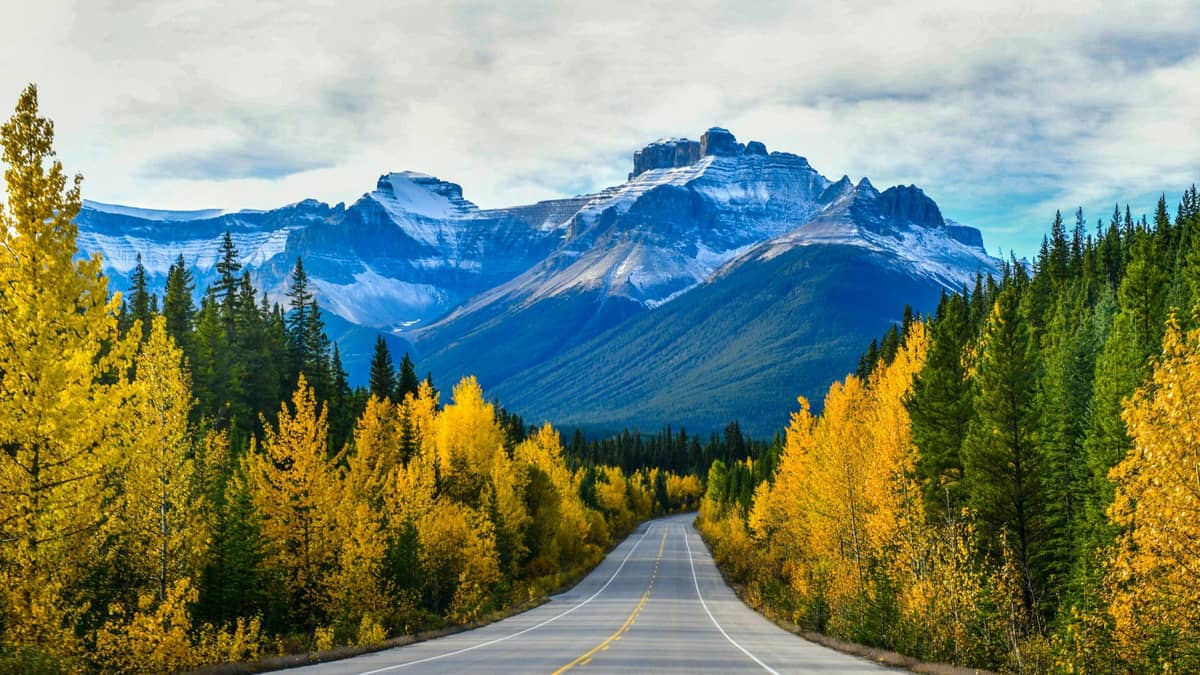
- Icefields Parkway: A 230 km scenic drive, considered one of the world's most beautiful road trips.
- Park Pass: CAD 11.70/day or CAD 68.70 for an annual Discovery Pass.
9. Jasper National Park - Wildlife and Wilderness
Jasper is the quieter, wilder neighbor of Banff, renowned for its abundant wildlife.
- Maligne Lake: Canada's largest natural lake in the Rockies, with boat cruises to Spirit Island.
- Miette Hot Springs: The hottest natural hot springs in the Canadian Rockies.
Yukon & Northwest Territories: The Land of the Midnight Sun
10. Northern Lights - Aurora Borealis
The Yukon and Northwest Territories are among the best places on Earth to witness the aurora borealis.
- Best Months: February and March for the clearest, darkest skies.
- Viewing Bases: Whitehorse and Yellowknife offer numerous tour options.
Maritime Provinces: Coastal Charm
11. Bay of Fundy - World's Highest Tides
The Bay of Fundy experiences the world's highest tides, with a range of up to 16 meters.
- Hopewell Rocks: Walk on the ocean floor at low tide and kayak among the sea stacks at high tide.
Canada Activity Guide by Interest
Interest | Best Experience | Region | Best Season |
|---|---|---|---|
Nature & landscapes | Banff and Jasper National Parks | Alberta | Jun–Sep |
Northern Lights | Yellowknife or Whitehorse | Yukon / NWT | Feb–Mar |
Skiing | Whistler Blackcomb or Banff | BC / Alberta | Dec–Mar |
Wildlife | Polar bears (Churchill) / Orca whales (BC) | Manitoba / BC | Oct–Nov / Jun–Sep |
History & architecture | Old Quebec City | Quebec | Year-round |
City culture | Toronto, Montreal, Vancouver | Ontario / Quebec / BC | Jun–Sep |
Coastal scenery | PEI, Nova Scotia, Bay of Fundy | Maritimes | Jul–Sep |
Adventure | Rocky Mountaineer, Icefields Parkway drive | Alberta / BC | Jun–Sep |
Travel Tips for Exploring Canada
Traveling across Canada can be an unforgettable adventure, but with its vast size and varied landscapes, proper planning makes the difference between a rushed trip and a memorable one. Here are essential Canada travel tips to keep in mind:
- Plan by Region: Canada is the world’s second-largest country. Focus on one or two regions at a time (like Western Canada, Atlantic Canada, or Ontario–Quebec) to explore fully.
- Weather Awareness: Pack layers. Winters can be extremely cold, especially in the Prairies and Arctic, while summers are pleasant but short. Always check seasonal conditions.
- Transport Options: Domestic flights save time on long routes, while trains like VIA Rail and buses offer scenic alternatives. Renting a car is best for national parks.
- Currency & Payments: Canada uses the Canadian Dollar (CAD). Credit and debit cards are widely accepted, but carrying small cash for rural areas helps.
- Cultural Etiquette: Canada is multicultural and polite. A smile, patience in queues, and respect for indigenous cultures go a long way.
- Park Passes: For visiting national parks like Banff or Jasper, purchase a Parks Canada Discovery Pass to save money.
- Stay Connected: SIM cards and portable Wi-Fi devices are available at airports and major stores for hassle-free connectivity.
Canada is a land of endless discovery, from the thunder of Niagara Falls to the serenity of the Northern Lights. With its mix of natural wonders, modern cities, and rich cultures, there’s no shortage of unforgettable adventures waiting here. Whether you’re planning your first trip or returning for new experiences, Canada never disappoints. Let’s plan your perfect Canada tour package.
For travelers looking to create the perfect itinerary, guides like this one on Travelfika make planning easier and more exciting. Use it to uncover the best destinations, plan smarter, and turn your Canadian journey into a once-in-a-lifetime memory.