IND: +91 9629929970
 USA: +1 (415) 718-2654
Best Time to Visit Cancun
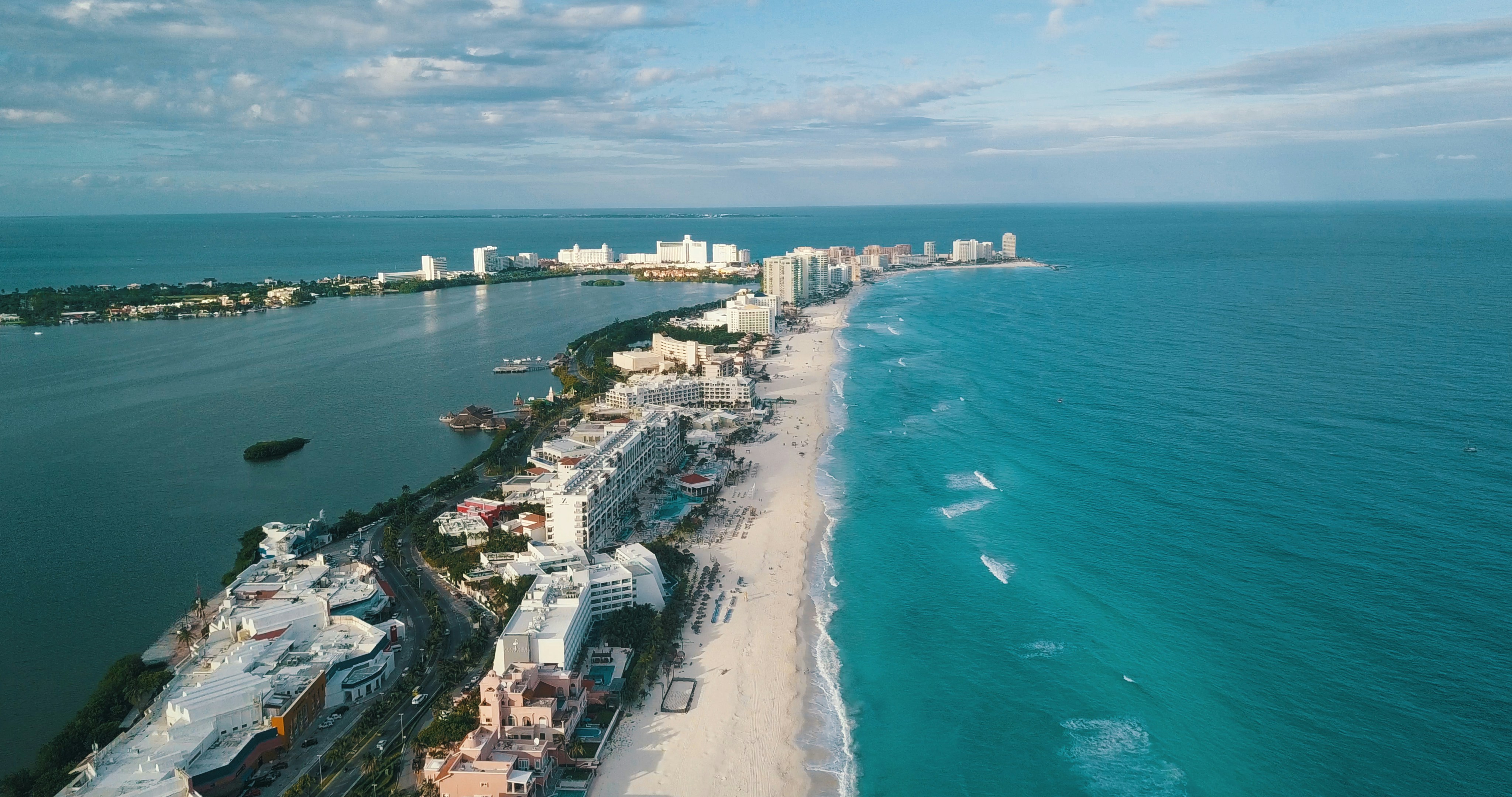
With its sun-drenched beaches, turquoise Caribbean waters, vibrant nightlife, and ancient Mayan ruins, Cancun is one of Mexico’s most iconic destinations. From the pristine sands of Playa Delfines to the underwater wonders of the Mesoamerican Barrier Reef, Cancun offers a unique blend of relaxation and adventure. But when you visit can significantly impact your experience, everything from weather and seaweed levels to crowd sizes, accommodation costs, and local festivals varies by season.
Cancun’s climate, tropical beaches, and seasonal rhythms influence your activities, sightseeing, and overall enjoyment. Whether you’re planning a relaxing beach holiday, exploring the nearby Mayan ruins of Chichen Itza and Tulum, or diving into cenotes and coral reefs, knowing the best time to visit Cancun ensures you make the most of your trip. This guide breaks down Cancun’s seasons, monthly weather, peak and low travel periods, festivals, and practical tips so you can plan the perfect Caribbean escape.
Understanding Cancun’s Climate
Cancun sits on Mexico’s Yucatán Peninsula, bordering the Caribbean Sea. Its tropical climate means warm temperatures year-round, with distinct wet and dry seasons. Understanding the climate is crucial for planning your trip.
General Climate Zones in Cancun:
- Tropical Coastline: Cancun and nearby Riviera Maya are warm and humid year-round. Temperatures average 24–32°C (75–90°F), with cooler evenings from December to February.
- Rainfall: May to October is the wet season, with brief but intense showers. Hurricanes are possible between June and November.
- Seaweed (Sargassum): Coastal seaweed is more likely during summer months, affecting beach experiences.
The climate dictates the best times for beach activities, snorkeling, and excursions. For instance, clear, calm Caribbean waters make November to March ideal for swimming and diving, while lush jungles come alive during the rainy season. Here’s a seasonal breakdown to help plan your Cancun adventure.
Dry Season (November to April) – Best for Beaches & Sightseeing
Overview: Cancun’s dry season is the most popular time to visit. Expect plenty of sunshine, low humidity, and calm seas.
Why it’s great:
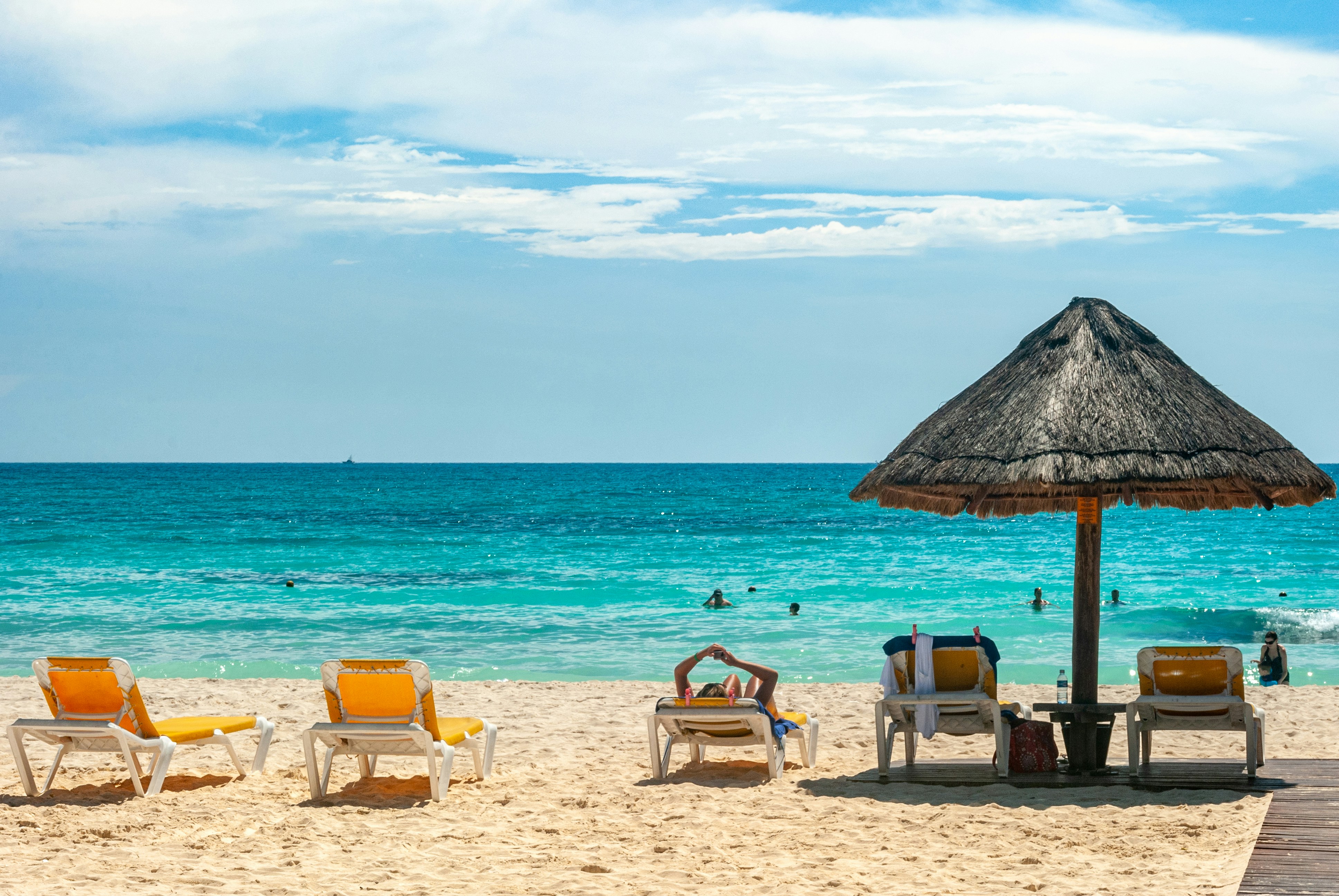
- Beaches and snorkeling conditions are ideal, with turquoise waters and minimal waves.
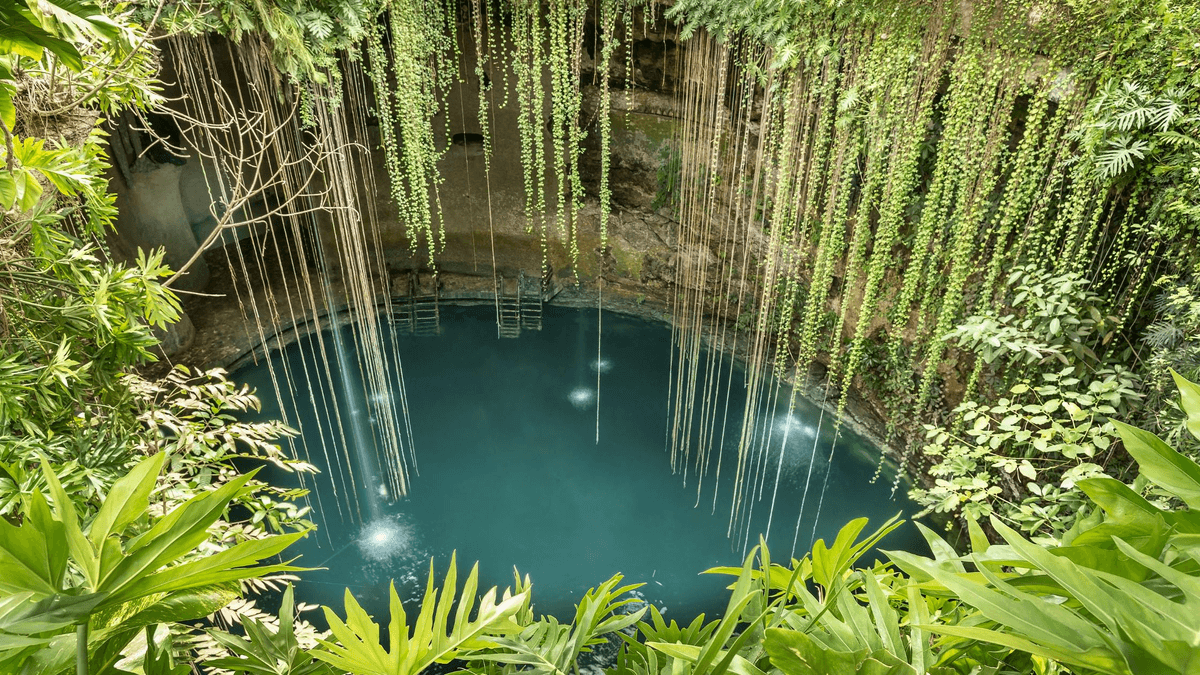
- Rainfall is scarce, making outdoor activities like visiting Chichen Itza, Tulum, or the cenotes more enjoyable.
- Wildlife spotting and eco-tours are easier without sudden downpours.
Highlights:
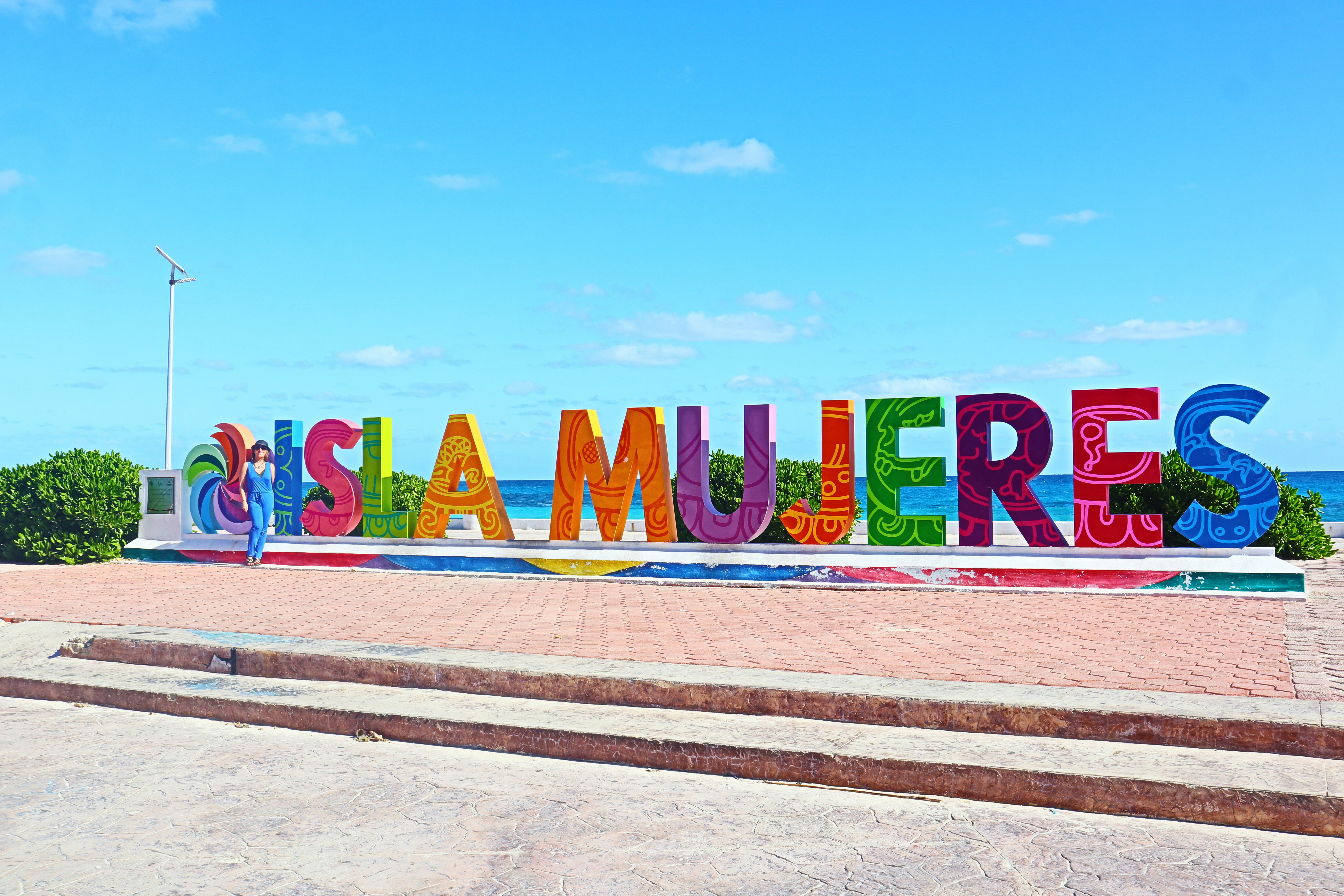
- Cancun, Playa del Carmen, Isla Mujeres, and Cozumel shine in perfect beach weather.
- Events like the Spring Equinox and local cultural festivals add extra vibrancy.
- Temperatures are pleasant, ranging from 24–28°C (75–82°F).
Tips:
- Book resorts and tours well in advance, as this is peak season.
- Early mornings and evenings are best for exploring ancient ruins to avoid crowds.
The dry season is ideal for travelers seeking guaranteed sun, beach days, and a classic Caribbean experience.
Wet Season (May to October) – Lush Scenery & Fewer Crowds
Overview: Cancun’s wet season is characterized by tropical showers, higher humidity, and occasional storms. While the rain may disrupt some plans, there are perks to traveling during this period.
Benefits:
- Fewer tourists mean quieter beaches, less crowded attractions, and better deals on accommodation.
- The rainforest and jungle landscapes become vibrant and lush.
- Cenote swimming, eco-parks, and jungle adventures are particularly scenic after rains.
Highlights:
- Rain typically occurs in short, intense bursts followed by sunshine.
- Wildlife, such as tropical birds and marine life, is more active.
- Seaweed may be more common on beaches, so choose resorts with daily cleanups.
Tips:
- Flexible travel plans are essential.
- Pack lightweight rain gear and a waterproof bag for valuables.
- Check hurricane forecasts, especially from August to October, for safe travel planning.
Wet season suits budget-conscious travelers who want to explore Cancun with fewer crowds and enjoy the region’s natural beauty.
Shoulder Seasons (April & November) – Best Balance
Shoulder seasons in Cancun, April and November, offer a sweet spot between weather, crowd size, and cost.
Why it’s ideal:
- The weather is still pleasant, with plenty of sunshine and less rain than the peak wet season.
- Hotels and flights are more affordable compared to December–March.
- Beaches and attractions are less crowded, making sightseeing and tours more enjoyable.
Highlights:
- April is perfect for early beach vacations or visiting Mayan ruins before the summer heat.
- November offers calmer waters and a more relaxed experience after the high season rush.
Tips:
- Consider booking accommodation early in April for Easter or Spring Break travelers.
- Shoulder seasons are great for combining beach time, adventure tours, and cultural experiences.
Seaweed (Sargassum) in Cancun
Sargassum seaweed can occasionally affect Cancun beaches, especially from May to September. While it doesn’t impact swimming or water activities in most resorts, it can reduce beach aesthetics.
Key Points:
- Peak months: June–August, particularly on the northern beaches.
- Some hotels invest in daily cleanups, ensuring pristine sands.
- Alternative beaches such as Isla Mujeres or Playa Norte often have minimal seaweed.
Tips for Travelers:
- Check daily beach reports online.
- Opt for resorts with private beach access.
- Plan snorkeling and diving trips in protected reef areas, which are usually unaffected by seaweed.
With a little planning, seaweed is rarely a major disruption to Cancun’s unforgettable beach experience.
Month-by-Month Guide for Visiting Cancun
Festivals & Events in Cancun
Cancun isn’t just about stunning beaches; its cultural calendar brings the city alive with festivals, celebrations, and local traditions. Planning your visit around these events can add a rich layer of experiences to your trip.
Spring Break (March–April)
Spring Break is a major event in Cancun, drawing thousands of young travelers from around the world. The city buzzes with energy, music, and beach parties. While it can be crowded, this period is perfect for those who enjoy nightlife, beach games, and vibrant social scenes. Travelers seeking quieter experiences should plan activities in the early morning or explore nearby natural attractions like cenotes and eco-parks.
Day of the Dead (Día de los Muertos) – November 1–2
While Mexico-wide, Cancun’s Day of the Dead celebrations are infused with Caribbean flair. Expect colorful altars, music, and local art installations honoring ancestors. This festival provides a unique opportunity to witness cultural traditions while enjoying the mild November weather.
Carnaval (February/March)
Carnaval in Cancun features parades, costumes, live music, and dancing. Streets come alive with performers, floats, and cultural exhibitions. Travelers during this period can enjoy both the festivities and the early dry-season weather, making it one of the most lively times to visit Cancun.
Semana Santa (March/April)
Semana Santa, or Holy Week, is celebrated with religious processions, family gatherings, and beach tourism. Cancun sees a surge of both domestic and international travelers. The weather is sunny and dry, ideal for sightseeing and water activities. It’s also a great time to book guided tours of nearby Mayan ruins or eco-parks before the crowds arrive.
Travel Tips for Visiting Cancun
Knowing Cancun’s climate and seasonal events is essential, but planning ensures a smoother trip.
Booking Advice: Plan Around Peak and Shoulder Seasons
- Peak Season (December–April): Book flights and accommodations well in advance to secure the best rates and availability.
- Shoulder Season (May–June, September–November): Fewer crowds and lower prices make this a smart choice for budget-conscious travelers.
- Festival Planning: If visiting during Spring Break or Carnaval, book hotels early and consider staying slightly outside the main tourist areas to avoid congestion.
Packing Essentials
- Sun Protection: Sunscreen with high SPF, sunglasses, and wide-brimmed hats are a must.
- Light Clothing: Breathable clothes for beach days and casual sightseeing.
- Layers: Lightweight jackets or sweaters for cooler evenings or indoor attractions.
- Water Shoes: Useful for cenotes, coral reefs, and some eco-parks.
- Comfortable Footwear: Necessary for walking tours, ruins exploration, and jungle trails.
Health & Safety Tips
- Drink bottled water and eat at reputable restaurants to avoid stomach issues.
- Carry hand sanitizer and basic medications.
- Use registered taxis or rideshare apps like Uber; avoid walking in unlit or isolated areas at night.
- Monitor weather updates during the hurricane season (June–November) and consider travel insurance.
Local Etiquette & Money
- Simple Spanish phrases like “Hola,” “Gracias,” and “Por favor” go a long way.
- Carry pesos for small purchases; credit cards are widely accepted in hotels and tourist areas.
- Cancun uses 110V electricity; check your devices for compatibility.
Embark on a seamless journey with our curated Cancun tour packages. Your adventure starts here.
Best Time for Activities in Cancun
Beach & Water Sports
- December–April: Calm seas, perfect for snorkeling, scuba diving, paddleboarding, and swimming.
- May–October: Occasional afternoon showers; beaches are less crowded, but check sea conditions for safety.
Cenote Exploration & Eco-Tours
- Year-round: Most cenotes are accessible, but drier months provide safer, easier trails.
- Rainy season: Water levels rise, offering dramatic cave formations but slippery paths.
Cultural & Historical Visits
- Dry season: Ideal for Chichen Itza, Tulum ruins, and museums.
- Shoulder season: Fewer tourists allow for more immersive experiences.
Wildlife Encounters
- Whale Sharks: June–September.
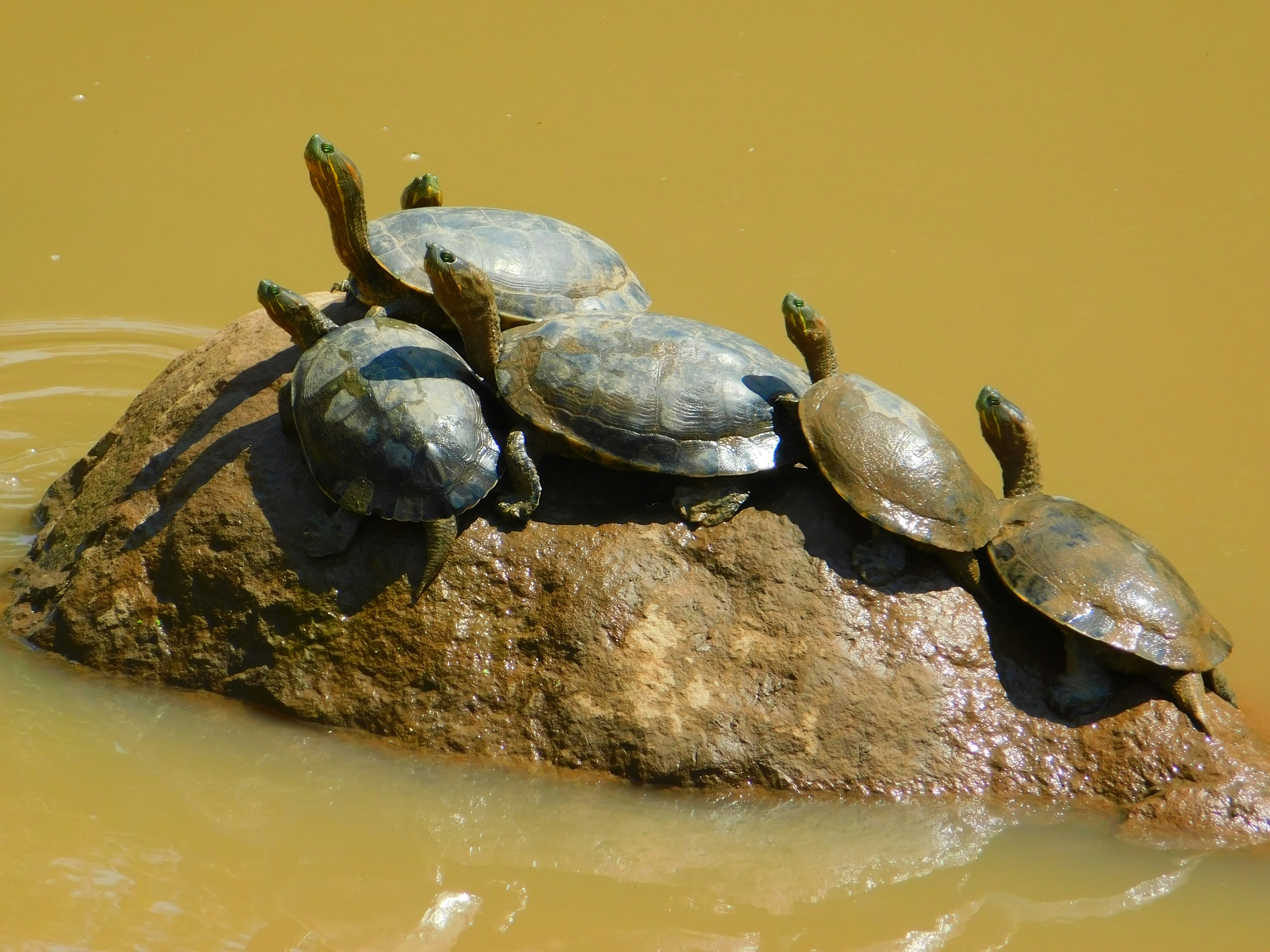
- Sea Turtles: Nesting season June–October along protected beaches.
Sample 5-Day Cancun Itinerary
Day 1: Relax at Playa Delfines, evening at a local restaurant with live music.
Day 2: Full-day trip to Chichen Itza and swim in nearby cenotes.
Day 3: Snorkeling adventure at Isla Mujeres, explore local markets.
Day 4: Jungle adventure with ziplining, ATV rides, and cenote exploration; sunset at Nichupté Lagoon.
Day 5: Visit Tulum ruins, followed by an eco-park tour at Xcaret or a seasonal whale shark encounter.
This itinerary balances beaches, culture, adventure, and relaxation to maximize your Cancun experience.
The best time to visit Cancun depends on your priorities, whether it’s sunny beach days, cultural festivals, eco-adventures, or budget travel. Dry season (December–April) guarantees sun and calm waters, while shoulder and low seasons provide fewer crowds and better deals. Aligning your trip with local festivals, wildlife events, and personal preferences ensures an unforgettable vacation. With careful planning, packing, and awareness of seasonal weather, Cancun offers a perfect mix of natural beauty, adventure, and cultural richness. Explore Cancun confidently and create memories that last a lifetime with Travelfika’s curated tips and travel guidance.