IND: +91 9629929970
 USA: +1 (415) 718-2654
Things to Do in France: 20 Best Experiences Across Every Region
Quick Answer
The best things to do in France span Paris's world-class museums and monuments (Eiffel Tower €29.40, Louvre €22, Versailles €21.50), the Loire Valley's fairytale châteaux, Provence's lavender fields and hill villages, the glamour of the French Riviera (Nice, Cannes, Antibes), the wine estates of Bordeaux, the moving D-Day beaches of Normandy, and Mont Saint-Michel. France is the world's most visited country — approximately 100 million tourists annually — and rewards travellers who venture beyond Paris into its nine distinct regions. Best overall time to visit: May–June and September–October (mild weather, thinner crowds than July–August peak). |
|---|
At a Glance: Essential France, Attractions — Entry Fees & Best Time
Attraction | Entry Fee | Best Time | Region |
|---|---|---|---|
Eiffel Tower (summit) | €29.40 adults | Apr–Jun, Sep–Oct | Paris |
Louvre Museum | €22 | Tue–Sun; avoid Mon (closed) | Paris |
Palace of Versailles | €21.50 | Weekday morning | Île-de-France |
Mont Saint-Michel | Free (abbey €13) | Sunrise or evening | Normandy |
Loire Valley châteaux | €12–€22 each | May–Sep | Loire Valley |
D-Day Beaches | Free (museums €9–€15) | Spring–Autumn | Normandy |
Lavender fields, Provence | Free | Late June–July | Provence |
French Riviera (Nice beach) | Free | May–Sep | Côte d’Azur |
Bordeaux wine tour | From €25 | Year-round | Bordeaux |
Chamonix & Mont Blanc | Cable car from €58 | Jun–Sep (summer) | French Alps |
Paris — The Essential Experiences
1. Eiffel Tower
Designed by Gustave Eiffel and completed in 1889 for the World's Fair, the Eiffel Tower was originally intended to be a temporary structure and was nearly demolished in 1909. It is now the most visited paid monument in the world — approximately 7 million visitors annually — and at 330 metres remains the tallest structure in Paris. The tower has three levels: the first (57m, glass floor panels), the second (115m, restaurants and panorama), and the summit (276m, Gustave Eiffel's private apartment and 360° views across Paris and, on clear days, up to 70km).
At night, the tower is illuminated in gold, and from 9 PM every hour on the hour, 20,000 light bulbs produce a 5-minute sparkling display — visible from across the city and one of Paris's defining visual experiences.
- Entry (summit): €29.40 adults; €14.70 children; lift to 2nd floor only €18.30
- Timings: 9:15 AM – 11:45 PM daily (last lift 10:30 PM)
- Book: Mandatory — online only at toureiffel.paris, up to 60 days ahead. Day-of queues for walk-up ticket office can reach 2–3 hours.
- Tip: Book the 9:15 AM slot for empty viewing platforms, or the post-9 PM slot for the illuminated night view.
2. The Louvre — World's Largest Art Museum
The Louvre is the world's most visited art museum — approximately 9 million visitors per year — and the world's largest, covering 72,735 square metres of exhibition space across three wings. Its collection spans 35,000 works from ancient Egypt, Mesopotamia, Greece, Rome, and Europe from the Medieval period through the 19th century. The Mona Lisa (Leonardo da Vinci, c. 1503–1519) and the Venus de Milo (c. 100 BC) are its most famous works.
The Louvre occupies a former royal palace — the transformation began in 1793 when the Revolutionary government opened the palace's art collections to the public. The glass pyramid entrance (I. M. Pei, 1989) was controversial at the time and is now iconic.
- Entry: €22 adults; free for visitors under 18 and EU residents under 26
- Timings: 9 AM – 6 PM (Wed and Fri until 9:45 PM); closed Tuesdays
- Book: Online booking strongly recommended; timed entry slots fill up weeks ahead in summer
- Tip: The Mona Lisa is displayed behind a 2-metre barrier and frequently obscured by a dense crowd. Visit the Winged Victory of Samothrace (Denon Wing staircase) and Vermeer's The Lacemaker first — extraordinary works with no crowd. Return to the Mona Lisa at the end if you want to see it.
3. Palace of Versailles
Built by Louis XIV (the "Sun King") as a deliberate expression of absolute royal power, the Palace of Versailles was the seat of French government from 1682 to 1789 — the entirety of the late monarchy. The palace contains 2,300 rooms, 67 staircases, and 800 hectares of formal gardens. The Hall of Mirrors (357 mirrored panels, 20,000 candles when all lit) is the defining room in French royal architecture. The palace and gardens were added to the UNESCO World Heritage List in 1979.
The formal gardens, designed by André Le Nôtre, stretch 3km from the palace façade — with the Grand Canal, the Trianon palaces (Marie Antoinette's private retreat), and the Hameau de la Reine (her farm-village fantasy) all accessible within the grounds.
- Entry: €21.50 (palace + gardens); gardens only €10 (free Nov–Mar)
- Timings: Tue–Sun 9 AM – 6:30 PM; closed Monday
- Distance: 37km from central Paris; 40 min by RER C train (€4.35 from Paris Saint-Michel)
- Tip: Arrive at the RER station at 8:30 AM to be through the palace gates by 9 AM — crowds are dramatically lighter for the first 90 minutes. Book timed entry online. The Musical Fountain Shows (April–October, weekends) are spectacular and included in the garden ticket.
4. Seine River Cruise
A bateau-mouche cruise along the Seine passes 10+ UNESCO-listed bridges and the principal Paris landmarks — Eiffel Tower, Notre-Dame (currently under restoration after the 2019 fire, exterior visible), Louvre, Musée d'Orsay, and the Île de la Cité — from the water. The 1-hour daytime cruise costs €17–€22; dinner cruises (2.5 hours, 3-course meal) from €55–€200 depending on operator and dining level.
- Operators: Bateaux Parisiens, Bateaux Mouches, Vedettes du Pont Neuf (smaller boats, more intimate)
- Best time: Golden hour (1 hour before sunset) for photography; after 9 PM for Eiffel Tower sparkling display
- Departure: Most operators depart from Pont d'Iéna (near Eiffel Tower) or Pont de l'Alma
5. Notre-Dame de Paris
Notre-Dame Cathedral, begun in 1163 and largely completed by 1345, is the finest example of French Gothic architecture and the most visited religious building in the Western world — approximately 14 million visitors per year before the April 2019 fire that destroyed the spire and much of the roof. The cathedral reopened to visitors in December 2024 after a five-year restoration that employed 2,000 artisans from across France. The restored interior, with its original rose windows and new contemporary elements integrated into the medieval structure, is widely considered more beautiful than before the fire.
- Entry: Free
- Timings: 8 AM – 6:45 PM daily; timed entry tickets required (free, book at notredamedeparis.fr)
- Tip: The viewing point from the forecourt (Parvis Notre-Dame) and from the Left Bank opposite the cathedral at sunset are the finest exterior views.
6. Montmartre and Sacré-Cœur
The Montmartre hill district in northern Paris retains the character of a village within the city — cobbled streets, independent cafés, artist studios, and sweeping views of Paris from the steps of the Sacré-Cœur Basilica (built 1875–1914). The neighbourhood was home to Picasso, Monet, Renoir, Toulouse-Lautrec, and Van Gogh during the late 19th and early 20th century. The Place du Tertre (small square at the hill's summit) still attracts portrait painters and caricaturists.
- Sacré-Cœur entry: Free; dome climb €8
- Best time: Early morning (8–10 AM) before tourist groups arrive; or late evening for Paris cityscape views at dusk
- Access: Funicular from Anvers metro (navigo pass valid) or walk up the steps from Abbesses
Beyond Paris
7. Palace and Gardens of Versailles (Day Trip)
(See full entry above — §3)
8. Loire Valley — France's Garden of Châteaux
The Loire Valley contains the highest concentration of Renaissance châteaux in the world — over 300 in the 280km valley of the Loire River between Orléans and Angers. Designated a UNESCO World Heritage Site for its "outstanding cultural landscape," it earned its title "Garden of France" from its combination of Renaissance architecture, vineyards, and river scenery.
Essential châteaux:
- Château de Chambord (begun 1519 under François I) — the largest château in the valley; 440 rooms, 80 staircases, and the famous double-helix staircase attributed to Leonardo da Vinci's influence. Entry €15.
- Château de Chenonceau ("the Ladies' Château") — built over the River Cher, designed and managed by six successive women including Catherine de Medici and Louise de Lorraine. Entry €17.
- Château d'Amboise — where Leonardo da Vinci spent his final years as guest of François I; his tomb is in the castle chapel. Entry €16.
- Best base: Tours or Amboise (connected to Paris Montparnasse by TGV, 1 hr)
- Best time: May–June or September — wildflowers and vineyard colours, manageable crowds
9. D-Day Beaches, Normandy
The Normandy coast between Cherbourg and Caen was the landing ground of 156,000 Allied troops on 6 June 1944 — D-Day, the largest seaborne invasion in history. Five beaches (Utah, Omaha, Gold, Juno, Sword) stretch 80km. The American Cemetery at Colleville-sur-Mer (9,386 white marble crosses on a clifftop above Omaha Beach) is the most visited American war memorial outside the United States. The Mémorial de Caen museum provides comprehensive historical context for visitors unfamiliar with the campaign.
- Beaches: Free to visit; cliffs and memorials accessible year-round
- Mémorial de Caen: €21 adults; allow 3+ hours
- American Cemetery: Free; open 9 AM – 6 PM daily
- Distance from Paris: 230km; 2 hours by car, or TGV to Caen (2 hrs) + local transport
- Tip: Hire a guide or join a guided minibus tour from Bayeux or Caen — the military context transforms the experience from a sombre beach walk to a deeply understood historical site.
10. Mont Saint-Michel
A medieval Benedictine abbey on a tidal island 600 metres off the Normandy coast, connected to the mainland by a tidal causeway that floods at high tide. The abbey complex rises 92 metres above sea level; the spire atop the abbey church reaches 170 metres, giving it the profile of a Gothic rocket launching from the sea. Mont Saint-Michel was a major pilgrimage destination throughout the medieval period and is France's second most-visited site after the Eiffel Tower, receiving approximately 3 million visitors annually.
- Island access: Free; abbey entry €13 adults
- Timings: Abbey 9 AM – 7 PM (summer); 9:30 AM – 6 PM (winter); closed 1 January, 1 May, 25 December
- Distance: 370km from Paris; 3.5 hrs by car; TGV to Rennes (2 hrs) + shuttle
- Tip: Stay overnight in one of the island's small hotels to experience Mont Saint-Michel after the day visitors leave — the empty cobblestone lanes and floodlit abbey after 9 PM are dramatically different from the daytime crowds.
11. Provence — Lavender, Villages Perchés and Roman Ruins
Provence in southeastern France offers a completely different experience from Paris: medieval hilltop villages (villages perchés) of golden stone, Roman ruins in near-perfect condition, open-air markets, and the lavender fields for which the region is internationally famous.
Lavender fields bloom late June to mid-August around the Valensole Plateau (Alpes-de-Haute-Provence) and near Sault — free to walk through; the scent, purple-silver expanse, and Provençal farmhouse context is one of France's most photographed landscapes.
Les Baux-de-Provence — a ruined medieval village on a rocky outcrop, accessible only on foot; the Carrières de Lumières light show (immersive projected art in a former quarry, entry €15) is one of Provence's finest contemporary experiences.
Pont du Gard — a Roman aqueduct bridge built c. 19 BC, standing 49 metres tall with three tiers of arches. Entry €9.50. A UNESCO World Heritage Site and the best-preserved Roman aqueduct in the world.
- Best base: Avignon (TGV from Paris Gare de Lyon, 2 hrs 40 min) or Aix-en-Provence
- Best time: June–July for lavender; September for harvest festivals and wine
12. French Riviera — Nice, Cannes and Antibes
The Côte d'Azur stretches 115km from Menton (near the Italian border) to Hyères — France's Mediterranean coast of celebrity resorts, Belle Époque architecture, and the clearest water on the mainland French coast. Nice is the primary city: the Promenade des Anglais (7km beachfront boulevard), the Vieux-Nice old town (pastel Baroque buildings, excellent market), and the Colline du Château viewpoint overlooking the Baie des Anges. Cannes is globally known for its May Film Festival. Antibes has the finest old town and the Picasso Museum (Château Grimaldi, €12).
- Nice entry: Free city; Matisse Museum €10, Chagall Museum €10
- Cannes Film Festival: May — red carpet events are partially public; screenings require accreditation
- Best time: May–June (warm, pre-peak crowds) or September (post-August rush, sea still warm)
13. Bordeaux Wine Region
Bordeaux produces approximately 700 million bottles of wine per year across 57 appellations — the most extensive fine wine region in the world. The city of Bordeaux itself is a UNESCO World Heritage Site for its 18th-century neoclassical architecture: the Place de la Bourse, the Grand Théâtre, and the Miroir d'Eau (the world's largest reflecting pool, 3,450m², in front of the Place de la Bourse).
Château visits: The Médoc wine route (left bank of the Gironde estuary) contains estates including Château Margaux, Mouton Rothschild, and Pétrus — the most prestigious wine addresses in France. Entry from €25 for a basic tasting at classified estates; Grand Cru estates from €50–€150.
La Cité du Vin — a striking contemporary wine museum (entry €22) covering 8,000 years of wine culture globally; interactive, sensory, and worth 3–4 hours.
- Distance: 2 hrs from Paris by TGV (Gare Montparnasse)
- Best time: September–October (harvest, vendanges; châteaux busiest but most atmospheric)
14. French Alps — Chamonix and Mont Blanc
Chamonix-Mont-Blanc (1,035m elevation, 80km from Geneva) is the base for Europe's highest peak — Mont Blanc at 4,808 metres — and the birthplace of alpinism (the first ascent of Mont Blanc was made in 1786). The Aiguille du Midi cable car (3,842m, one of the world's highest) provides non-mountaineers with views across the Mont Blanc massif, the Matterhorn, and (on clear days) the Jura mountains 100km away.
- Aiguille du Midi cable car: €62 return adults; pre-book at montblancnaturalresort.com
- Mer de Glace glacier train (Montenvers): €42 return; access to the oldest glacier in the French Alps
- Best time: June–September (cable cars fully operational, mountain flowers, clear visibility)
15. Alsace — Strasbourg and the Wine Route
Alsace in northeastern France, bordering Germany, is one of France's most distinctive regions — a hybrid French-German culture visible in its half-timbered houses, choucroute cuisine (sauerkraut with pork), and Riesling and Gewurztraminer wines. Strasbourg contains the finest Gothic cathedral after Notre-Dame (built 12th–15th century; 142m spire was the world's tallest building from 1647 to 1874) and the Grande Île UNESCO World Heritage old town.
The Alsace Wine Route (170km) connects 70 wine villages through the Vosges foothills — Riquewihr and Kaysersberg are the most beautiful, with virtually unchanged medieval centres. Strasbourg Christmas Market (late November–December) is among Europe's oldest and most celebrated.
- Distance: TGV from Paris Est, 1 hr 50 min to Strasbourg
16. Disneyland Paris (Day Trip)
Europe's most visited theme park — 9.5 million visitors annually — located 32km east of Paris in Marne-la-Vallée. Two parks: Disneyland Park (classic rides) and Walt Disney Studios Park (film-themed). The resort has undergone major expansion with Avengers Campus opening in 2022 and further additions through 2025.
- Entry: From €56/day online (prices vary dramatically by date — book the earliest weekday possible)
- Distance: 32km from Paris; 35 min by RER A from central Paris (Châtelet–Les Halles)
- Tip: Visit on a Tuesday or Wednesday in October–November for the shortest queues of the year
France Visitor Type Guide
Visitor Type | Best Experiences |
|---|---|
First-time visitors | Eiffel Tower, Louvre, Versailles, Seine cruise, Montmartre |
History lovers | D-Day beaches, Loire Valley châteaux, Pont du Gard, Strasbourg Cathedral |
Food & wine | Bordeaux wine region, Lyon (France’s culinary capital), Alsatian cuisine, Parisian bistros |
Nature lovers | Provence lavender, French Alps (Chamonix), Gorges du Verdon, Dordogne Valley |
Beach & sea | French Riviera (Nice, Antibes, Cannes), Brittany coastline, Corsica |
Culture & art | Louvre, Musée d’Orsay, Pompidou Centre, Provence (Arles – Van Gogh country) |
Couples | Montmartre evening, Seine dinner cruise, Loire Valley stay, French Riviera |
Families | Disneyland Paris, Versailles gardens, Loire Valley châteaux, Normandy beaches |
Things to Do in France at Night
France offers an exciting array of nighttime activities, from romantic evening strolls to vibrant nightlife. Whether you're in Paris, the French Riviera, or the countryside, here are some of the best things to do in France after the sun sets:
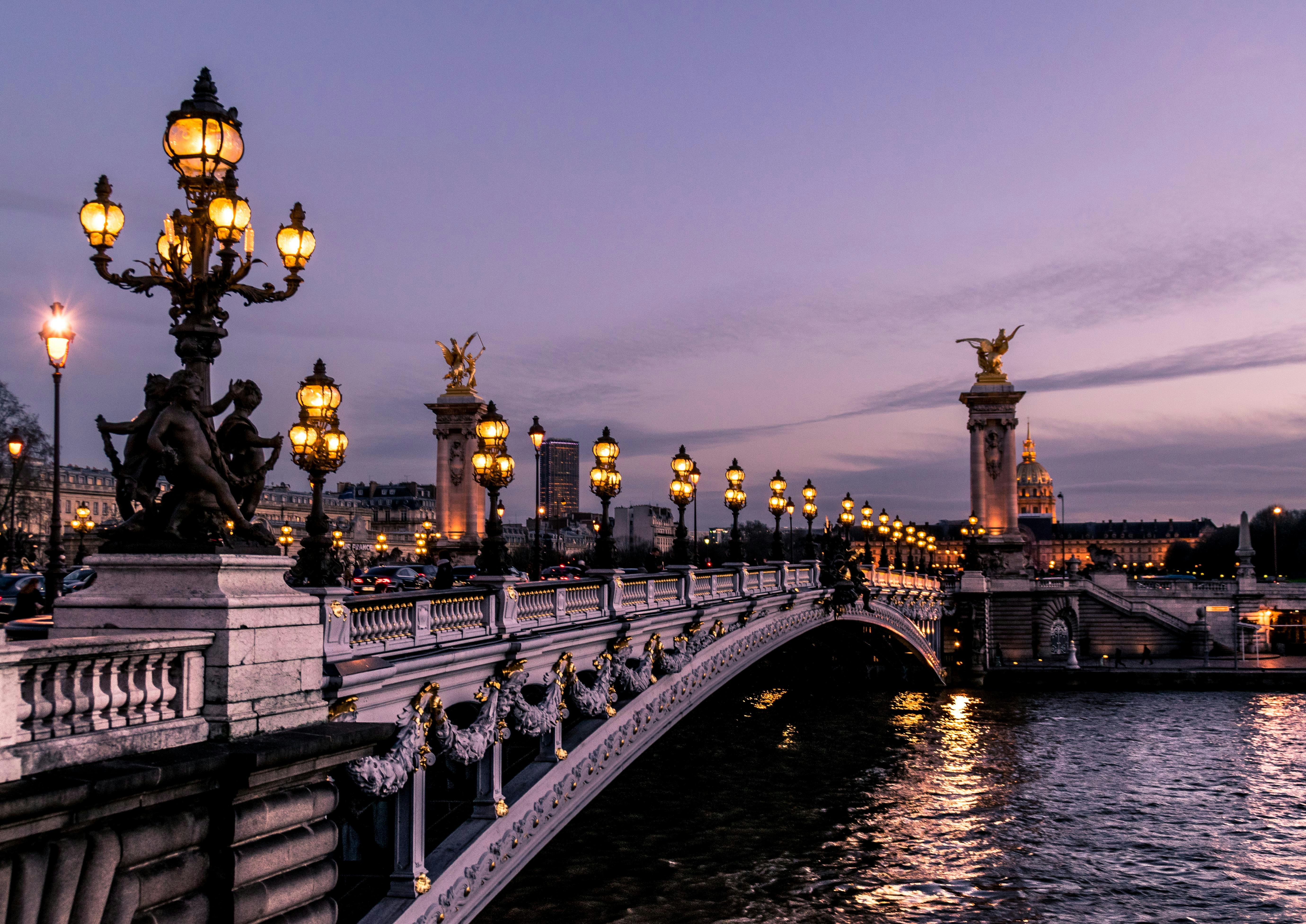
- Stroll Along the Seine River in Paris: One of the most romantic ways to experience Paris at night is by taking a leisurely walk along the Seine. With the Eiffel Tower sparkling in the distance and historic bridges lit up, it's a magical setting for an evening stroll. You can even opt for a boat cruise along the river for a unique perspective of the city's landmarks.
- Visit Montmartre and the Sacré-Cœur Basilica: Montmartre, Paris’s bohemian district, comes alive at night with its charming cafés and street artists. Visit the Sacré-Cœur Basilica for panoramic views of the city, especially breathtaking at night when the lights of Paris twinkle below.
- Explore the Night Markets in Provence: In Provence, many towns host night markets, especially in the summer months. You can explore these markets, which offer everything from local artisan goods to fresh food, all under the stars.
- Experience the Nightlife in Lyon: Known as the gastronomic capital of France, Lyon is also famous for its vibrant nightlife. Head to the Old Town (Vieux Lyon) for its cozy bars, enjoy some jazz at a local club, or taste some local wines in a traditional bouchon restaurant.
- Watch a Cabaret Show in Paris: Paris is famous for its cabaret shows, with the Moulin Rouge and Le Lido being two of the most iconic venues. Enjoy a spectacular performance filled with music, dance, and dazzling costumes. It’s an unforgettable way to experience Parisian nightlife.
- Relax at a Rooftop Bar in Nice: The French Riviera offers plenty of chic rooftop bars, especially in Nice. Sip on a cocktail while enjoying stunning views of the Mediterranean Sea and the glamorous city lights.
- Dance at a Nightclub in Marseille: For those who love to dance, Marseille offers vibrant nightclubs where you can groove to everything from electronic beats to live music. The city’s multicultural vibe makes for a fun and energetic nightlife experience.
- Attend the Cannes Film Festival After-Parties: If you're visiting during the Cannes Film Festival, the evenings come alive with glamorous after-parties, where you can mingle with celebrities, filmmakers, and other festival-goers. Even if you're not attending the festival, the buzz of the city at night is electric.
- Admire the Palace of Versailles Illuminated at Night: Though it's most famous during the day, the Palace of Versailles is equally stunning at night. Attend the Les Grandes Eaux Nocturnes, a summer evening event with light and music performances set in the palace's magnificent gardens.
- Nighttime Wine Tastings in Bordeaux: Some vineyards in Bordeaux offer special nighttime wine-tasting events. These intimate gatherings allow you to savor the region’s world-class wines under the stars, often accompanied by a fine meal or live music.
Plan your perfect France trip effortlessly by exploring the France trip cost, complete with customized itineraries, expert advice, and practical tips to make the most of your visit.
Seasonal Things to Do in France
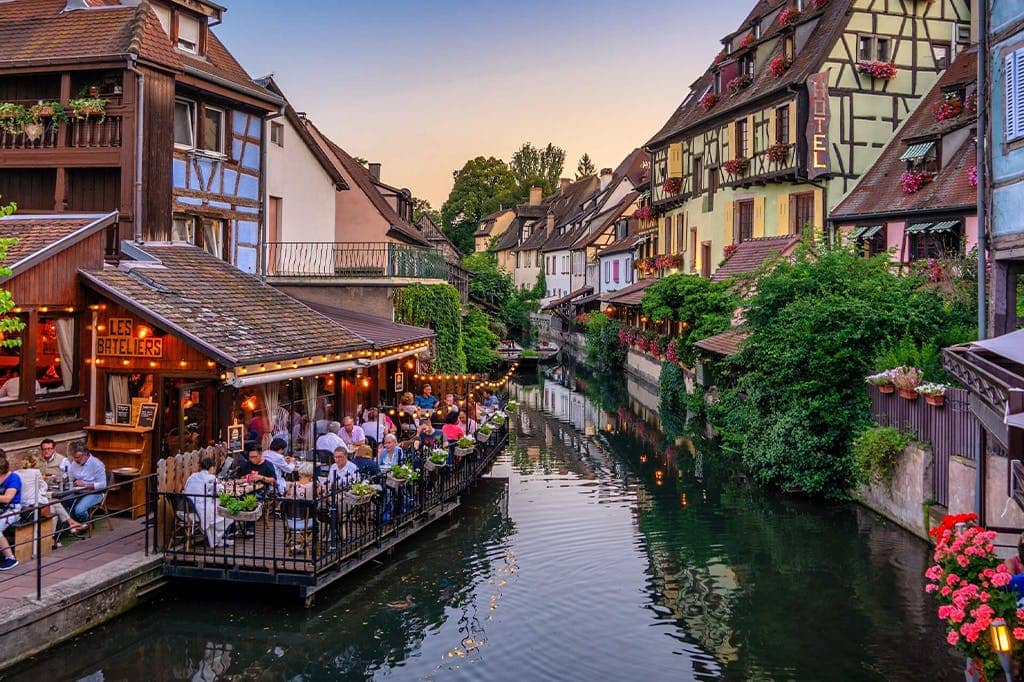
Spring (March–May): Enjoy cherry blossoms in Paris and attend the thrilling Monaco Grand Prix. It’s a perfect time for garden strolls and mild weather adventures.
Summer (June–August): See the lavender fields in full bloom, experience the lively Nice Carnival, and relax on sunny beaches along the French Riviera.
Fall (September–November): Celebrate the grape harvest with wine festivals and soak in the beautiful autumn colors in the countryside and vineyards.
Winter (December–February): Wander through magical Christmas markets, hit the ski slopes in the Alps, and enjoy the festive Carnival of Nice.
Check out the best time to visit France for ideal weather, fewer crowds, vibrant festivals, and unforgettable experiences.
General Tips for Visiting France
- Learn a Few Basic French Phrases
Even a simple “Bonjour” (Hello) or “Merci” (Thank you) is appreciated. The French value politeness, and making the effort goes a long way. - Greet People Properly
Always greet shopkeepers and locals with a friendly “Bonjour” when entering stores or restaurants. It’s considered rude not to. - Mind Meal Times
Lunch is typically from 12 PM to 2 PM, and dinner is after 7:30 PM. Many restaurants close between lunch and dinner hours, so plan accordingly. - Use Public Transportation
France has an efficient train system (TGV and regional trains). In cities like Paris, the metro is the easiest way to get around. - Be Prepared for Closures on Sundays
Many shops, supermarkets, and restaurants in smaller towns are closed on Sundays or open for limited hours. - Tipping Isn’t Required but Appreciated
Service is included in your bill, but rounding up or leaving small change for good service is polite. - Dress Smartly
The French tend to dress neatly. While you don’t need to be fancy, avoid wearing overly casual clothing like flip-flops or gym wear outside the beach or gym. - Keep an Eye on Pickpockets
In busy tourist spots like Paris or Marseille, be mindful of your belongings—especially in metros and crowded attractions. - Use Cards, But Carry Some Cash
While cards are widely accepted, some small cafés or rural places prefer cash. Keep some euros handy. - Stay Flexible and Enjoy the Pace
France isn’t about rushing. Enjoy long meals, scenic walks, and the slower, more relaxed rhythm—especially in the countryside.
Getting Around France
France has one of Europe's best rail networks. The TGV high-speed network connects Paris to all major cities in under 3 hours:
- Paris → Lyon: 2 hrs
- Paris → Bordeaux: 2 hrs 4 min
- Paris → Marseille: 3 hrs 20 min
- Paris → Strasbourg: 1 hr 50 min
- Paris → Nice: 5 hrs 30 min
Book trains at: SNCF Connect (sncf-connect.com) or Rail Europe. Book 3–4 months ahead for the cheapest fares (30–60% cheaper than day-of purchase).
Paris transport: Paris Métro covers all major sights. A carnet of 10 tickets (€16.90) or the Navigo Easy contactless card covers all zones. From CDG Airport: RER B train (€11.45, 35 min to central Paris) is far cheaper than taxis (€50–€70).
Start planning your dream France vacation today with Travelfika!
Browse our curated France tour packages, perfect for foodies, history buffs, nature lovers, and more. Travelfika takes care of everything, flights, hotels, tours, and insider tips, so you can simply enjoy the magic of France.