IND: +91 9629929970
 USA: +1 (415) 718-2654
Best Time to Visit India: A Month-by-Month & Region-Wise Travel Guide
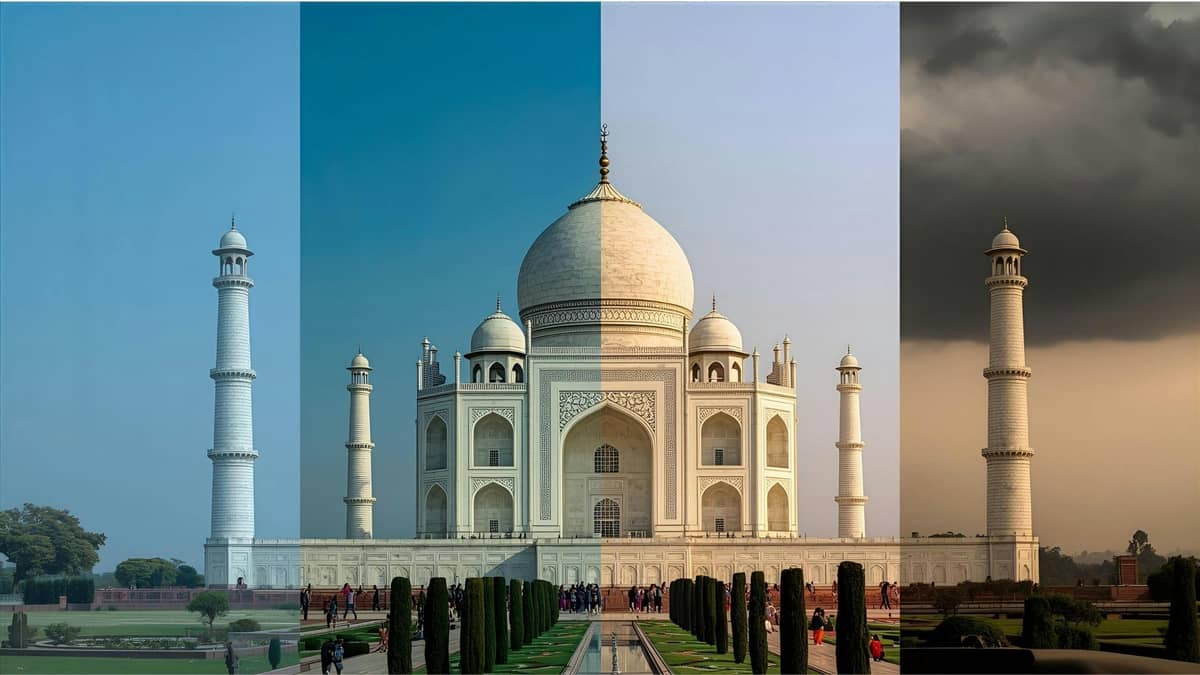
Why Timing is Everything in India
India is not just a country, it’s an entire subcontinent of climates, landscapes, and cultures. From the snowy peaks of the Himalayas to the tropical beaches of Goa, the best time to visit India depends entirely on where you plan to go and what kind of experience you seek.
Whether you want to trek in Himachal, cruise through Kerala’s backwaters, or witness Rajasthan’s royal festivals, timing your trip right can make all the difference.
In this detailed guide, we break down the best time to visit India by seasons, regions, and experiences, along with insights on festivals and travel planning tips to help you craft the perfect itinerary. Explore the full spectrum of must-see Places to Visit in India from iconic cities to hidden gems, your India travel story starts here.
India’s Climate at a Glance: The 3 Core Seasons
India’s climate is as diverse as its culture, while the Himalayas shimmer with snow, the beaches of Goa bask in sunshine. Yet, despite the regional contrasts, the country’s weather can broadly be divided into three distinct seasons: winter, summer, and monsoon. Each season paints a completely different picture of India, offering unique experiences for travelers.
Winter (October to March) – The Peak Season
Winter is widely considered the best time to visit India. The weather across most regions is cool, dry, and comfortably sunny, perfect for sightseeing and outdoor exploration.
In northern and western India, days are crisp and pleasant, while evenings can turn chilly in the deserts of Rajasthan and the foothills of the Himalayas. Down south, destinations like Kerala and Goa enjoy ideal beach weather with calm seas and blue skies.
This is also the season when India’s cultural calendar is at its peak, from Diwali and Pushkar Fair in the west to Christmas celebrations in the south. Wildlife sanctuaries like Ranthambore, Jim Corbett, and Gir National Park are open and thriving.
If you want to experience India’s architectural beauty, vibrant cities, and national parks under the best conditions, October to March is unbeatable.
- Best for: Cultural sightseeing, desert safaris, beach vacations, wildlife tours, and light mountain treks.
Summer (April to June) – The Shoulder or Off-Season
Summer in India is intense and full of contrast. The plains and deserts can get extremely hot, with temperatures often soaring beyond 40°C, making it less ideal for sightseeing in cities like Delhi or Jaipur.
But this is also when the Himalayas come alive. Snow begins to melt, revealing lush valleys and clear trekking trails. Popular hill stations like Shimla, Manali, Mussoorie, Darjeeling, and Gangtok offer cool temperatures and breathtaking views.
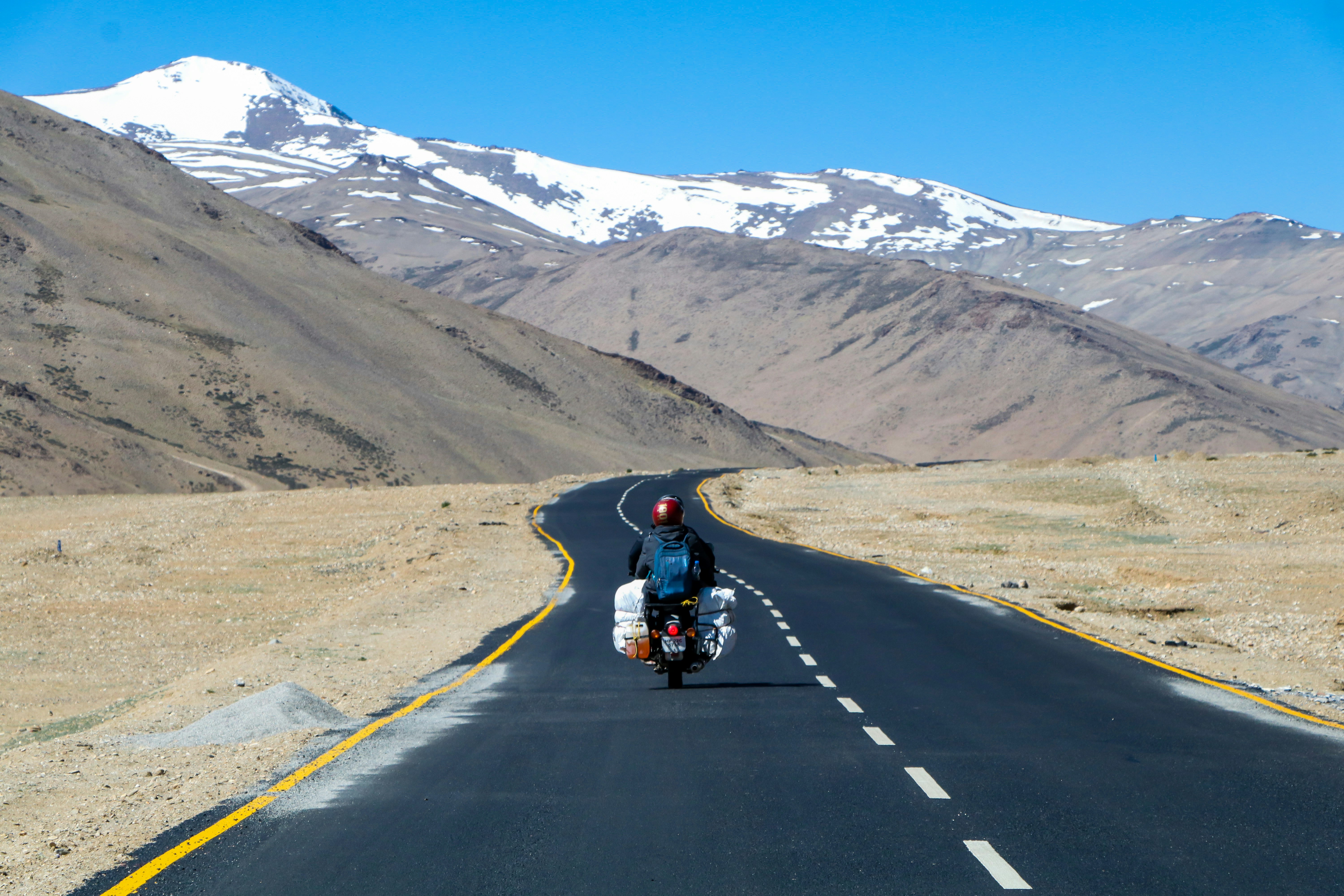
It’s also the perfect season for adventure seekers heading to Ladakh or Spiti Valley, where roads become accessible and mountain passes open for exploration.
Another perk of traveling during summer? It’s the budget-friendly season in most parts of India, as crowds thin out and hotels offer attractive deals.
- Best for: Hill station escapes, Himalayan trekking, Ladakh road trips, and adventure travel.
Monsoon (July to September) – The Offbeat & Refreshing Season
When the monsoon arrives, India transforms into a lush green paradise. Rain showers sweep across the country, replenishing rivers, filling waterfalls, and turning hillsides into emerald landscapes.
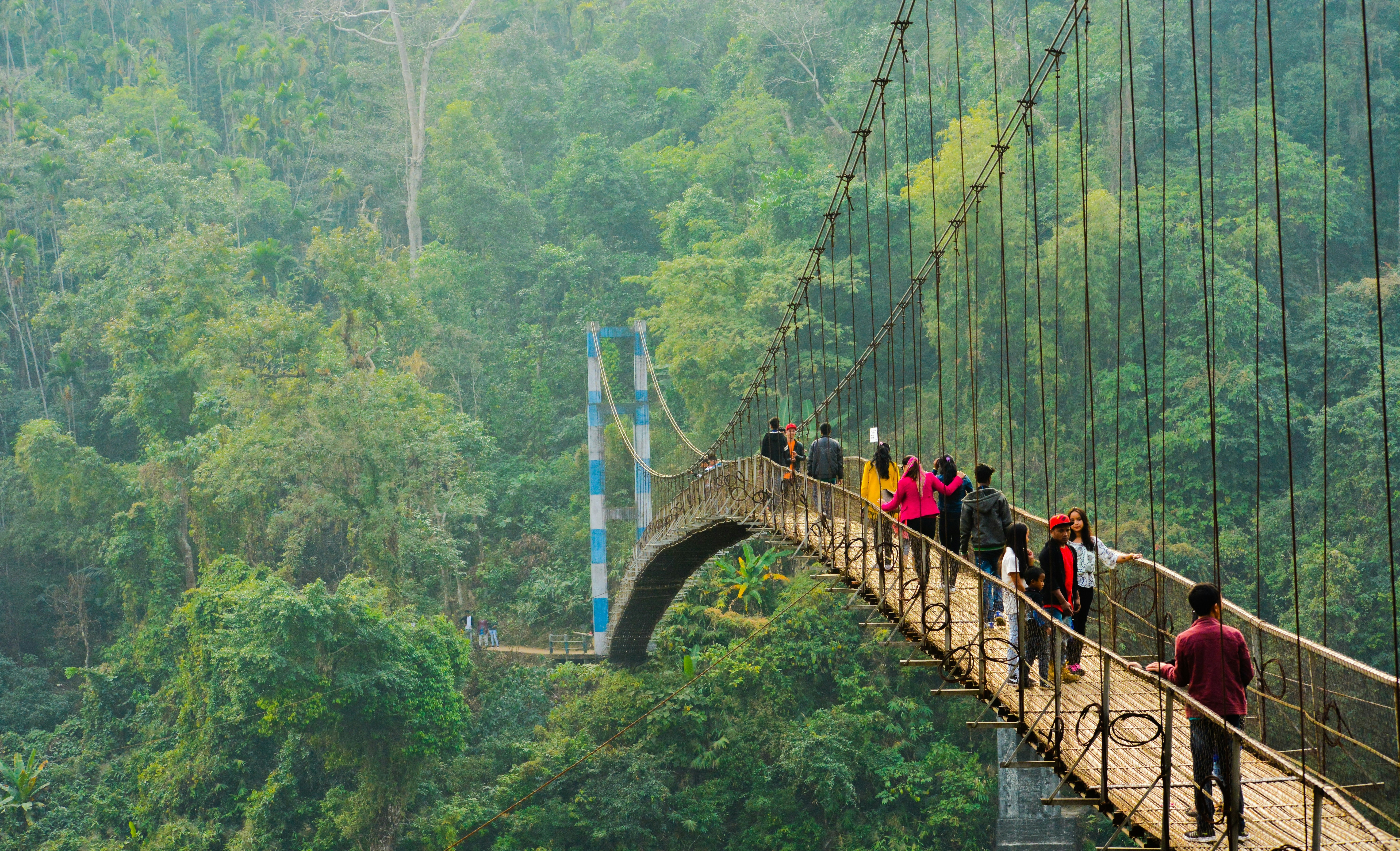
This is a beautiful yet underrated time to explore India, especially for those seeking tranquility, photography, and rejuvenation. Kerala, Coorg, Munnar, and Meghalaya are particularly magical during this season, with misty mornings and vivid greenery everywhere.
It’s also the best time for Ayurvedic treatments and yoga retreats, as the cool, humid climate enhances healing therapies. While some areas experience heavy downpours that may disrupt travel, many destinations remain accessible and crowd-free.
- Best for: Nature lovers, yoga and wellness retreats, waterfall treks, and peaceful off-season getaways.
Quick Takeaway
If you’re wondering when to visit India, winter offers ideal weather and rich cultural experiences, summer calls for adventure in the mountains, and monsoon invites you to slow down and reconnect with nature.
Each season offers its own version of India’s beauty, and no matter when you visit, you’ll find a reason to fall in love with this vibrant, ever-changing country.
All of India, one guide. Begin your journey with our ultimate India Travel Guide and plan with confidence and wonder.
The Regional Deep Dive: Where & When to Go
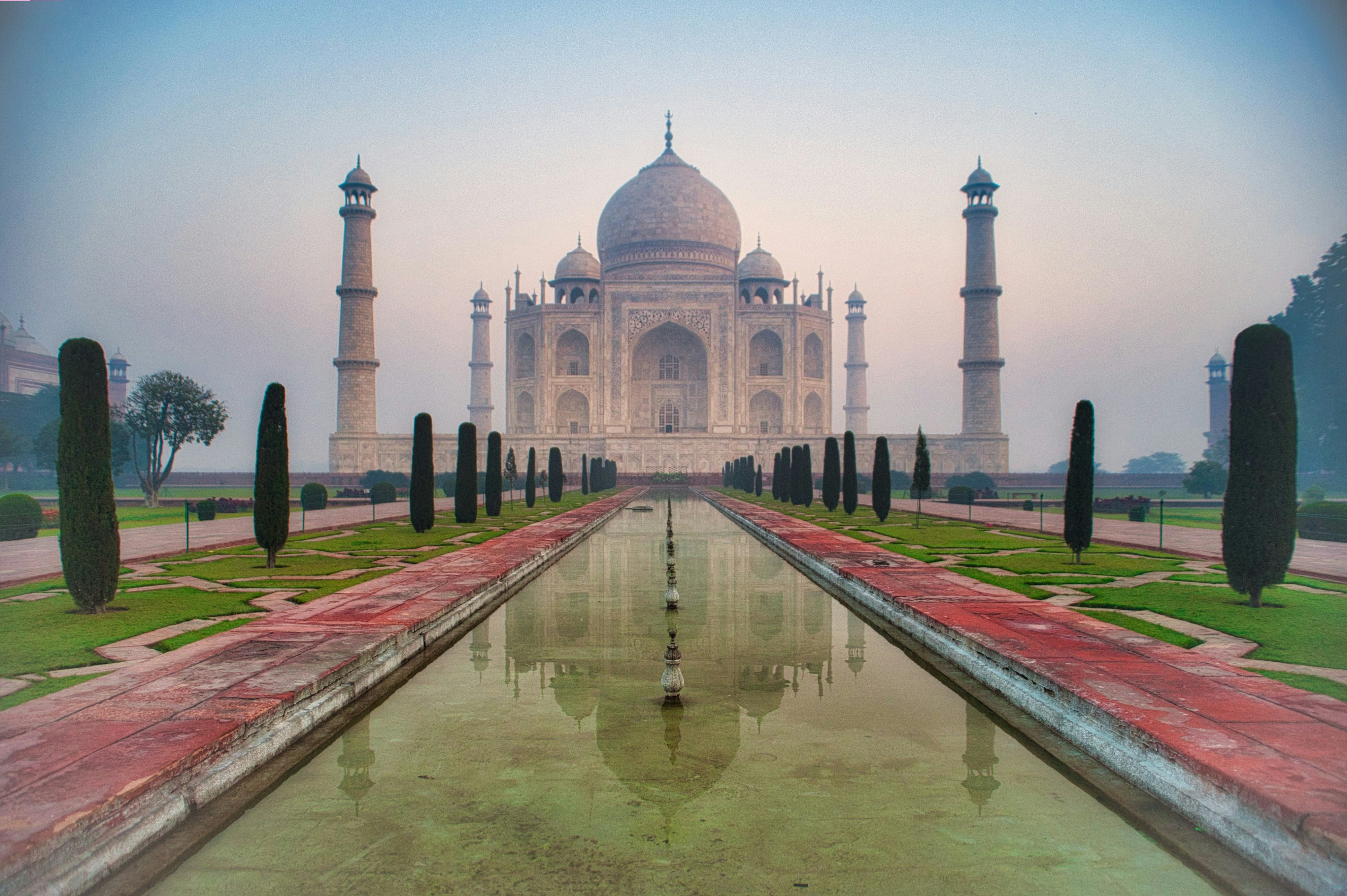
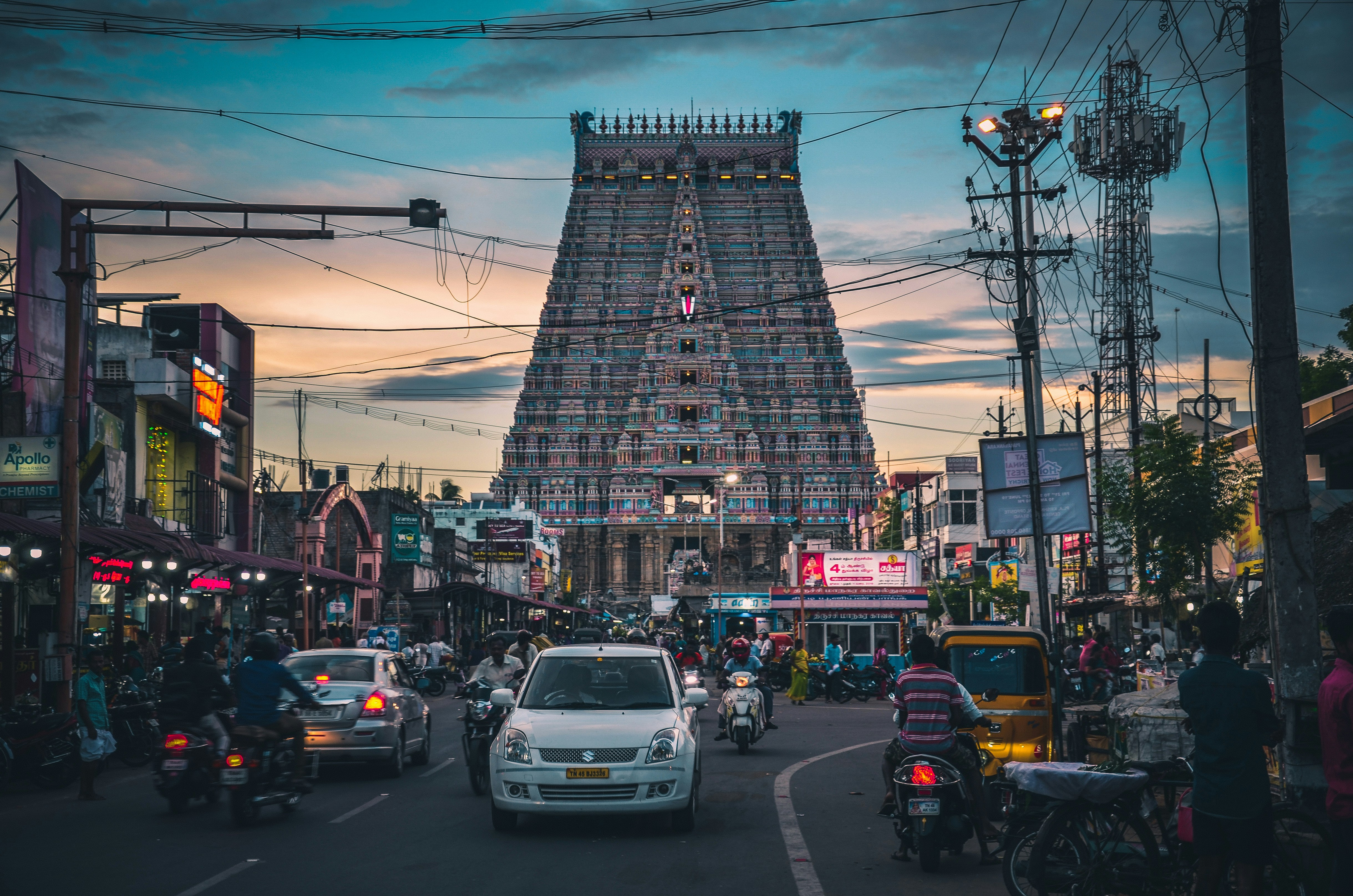
Month-by-Month Guide to Visiting India
Planning your India trip around specific months? This detailed monthly breakdown helps you navigate weather patterns, festivals, and regional highlights to find your perfect travel window.
January: Peak Season Perfection
Weather: Cool, dry, and sunny across most regions. North India can be cold at night.
Crowds: High, especially at popular monuments.
Best For: Rajasthan's palaces, Kerala's backwaters, Goa's beaches, and wildlife safaris.
Festivals: Republic Day (Jan 26) parades in Delhi, Pongal in Tamil Nadu.
Tips: Book flights and hotels 3-4 months in advance. Pack layers for varying temperatures.
February: Ideal Conditions
Weather: Pleasant days warming up, with minimal rainfall.
Crowds: Starting to thin out after the January peak.
Best For: Cultural tours in North India, beach vacations, and the Himalayan foothills.
Festivals: Vasant Panchami welcomes spring with yellow-themed celebrations.
Tips: Great month for photography with clear skies and comfortable temperatures.
March: Summer's Arrival
Weather: Warming significantly, especially in central and southern regions.
Crowds: Moderate, except during Holi celebrations.
Best For: Holi festival experiences, North India before extreme heat.
Festivals: Holi - the vibrant festival of colors (usually March).
Tips: Pack light cotton clothes and join Holi celebrations responsibly.
April: Heat Builds
Weather: Hot to very hot in most regions, pre-monsoon dust storms possible.
Crowds: Thinning as heat intensifies.
Best For: Hill stations like Shimla and Darjeeling, early Ladakh trips.
Festivals: Baisakhi harvest festival in Punjab.
Tips: Stay hydrated and plan indoor activities during peak afternoon heat.
May: Peak Summer
Weather: Extremely hot, especially in northern plains (45°C/113°F+).
Crowds: Lowest of the year, except in hill stations.
Best For: Himalayas, Ladakh, Spiti Valley, and mountain retreats.
Festivals: Buddha Purnima, celebrating Buddha's birth.
Tips: Only visit plains if necessary; focus on high-altitude destinations.
June: Monsoon Begins
Weather: Southwest monsoon hits Kerala and moves north; pre-monsoon heat elsewhere.
Crowds: Very low in most regions.
Best For: Ladakh (fully accessible), northeastern states before the heaviest rains.
Festivals: Eid-ul-Fitr (dates vary).
Tips: Carry rain gear if traveling to southern or northeastern regions.
July: Peak Monsoon
Weather: Heavy rainfall across most of India except the far northwest.
Crowds: Lowest tourist numbers.
Best For: Lush landscape photography, yoga retreats, Ladakh region.
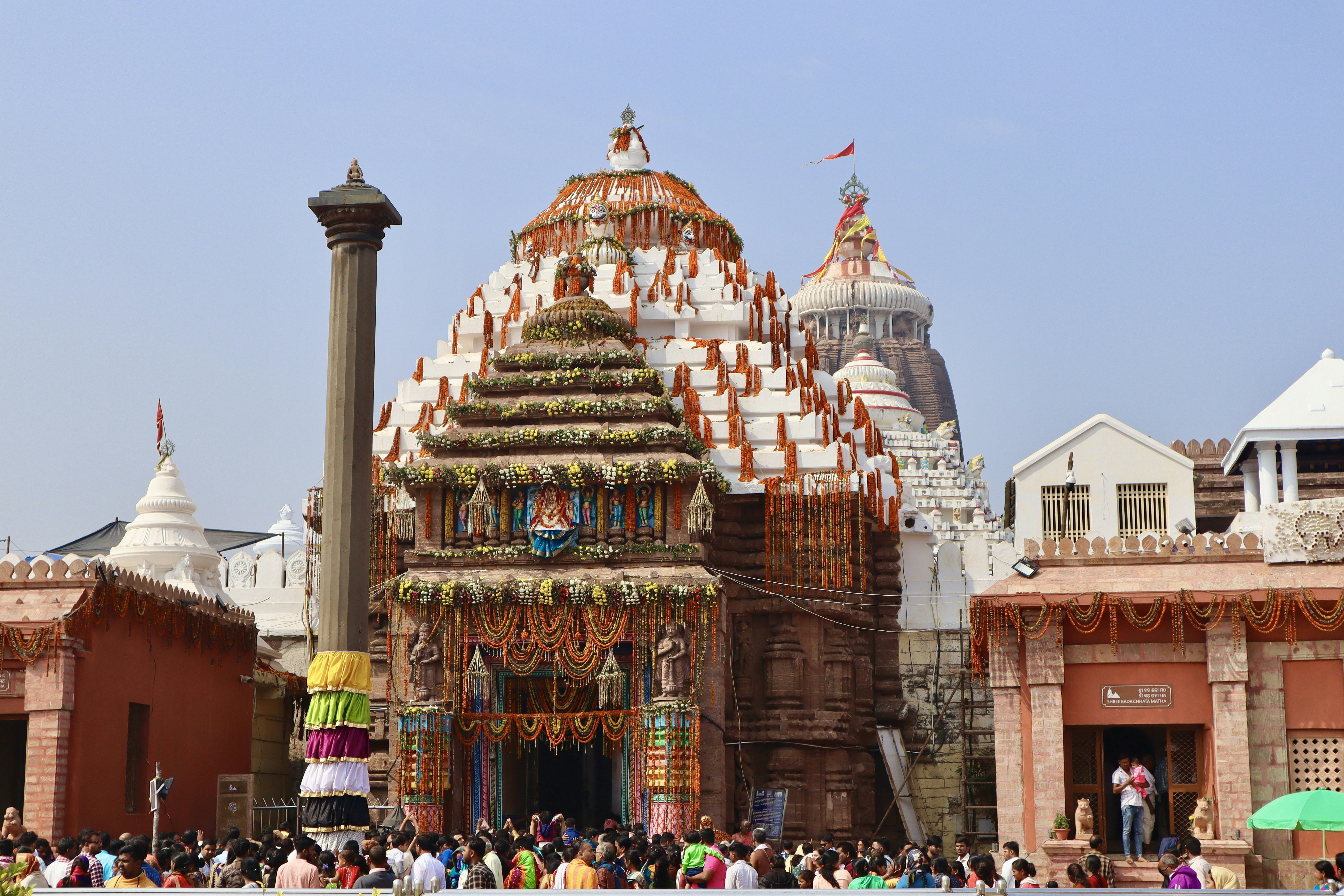
Festivals: Rath Yatra chariot festival in Puri.
Tips: Be flexible with travel plans, as rain may disrupt transportation.
August: Continued Rains
Weather: Monsoon continues; humidity is high nationwide.
Crowds: Still low, except in mountain areas.
Best For: Hill stations, Ladakh, cultural experiences in indoor settings.
Festivals: Onam in Kerala, Janmashtami nationwide.
Tips: Perfect for Ayurvedic treatments in Kerala or mountain escapes.
September: Retreating Monsoon
Weather: Rains decreasing, landscapes emerald green, humidity dropping.
Crowds: Beginning to return.
Best For: Still-green landscapes, festival experiences, and early cultural tours.
Festivals: Ganesh Chaturthi, Onam (early Sept), Durga Puja preps begin.
Tips: Good transition month with lower prices than peak season.
October: Excellent Conditions Return
Weather: Post-monsoon freshness, comfortable temperatures, clear skies.
Crowds: Increasing steadily.
Best For: Most regions, especially cultural circuits and outdoor activities.
Festivals: Dussehra, Durga Puja, Navratri.
Tips: The Ideal month to visit almost anywhere in India.
November: Prime Time
Weather: Near-perfect conditions nationwide - not too hot, not too cold.
Crowds: High, but not at peak December levels.
Best For: Everything from beaches to deserts to mountains.
Festivals: Diwali (often in Nov), Pushkar Camel Fair.
Tips: Book accommodations well in advance, especially during Diwali.
December: Peak Season
Weather: Cool and dry, cold in the north, pleasant in the south.
Crowds: Highest of the year.
Best For: Beach vacations, cultural tours, desert experiences.
Festivals: Christmas, New Year, Hornbill Festival in Nagaland.
Tips: Expect premium prices and book everything months in advance.
Pro Planning Tip: For the best experience, consider shoulder months (February-March, September-October), which offer good weather with fewer crowds than peak season. Always check specific festival dates as they vary each year based on lunar calendars.
Festival-Focused Travel Planning in India
India’s festivals are not just celebrations — they’re immersive experiences that reveal the country’s vibrant culture, deep spirituality, and community spirit. Planning your trip around these events can turn an ordinary vacation into an unforgettable journey through color, sound, and tradition.
Diwali (October–November)
Known as the Festival of Lights, Diwali illuminates India with oil lamps, fireworks, sweets, and prayers. Homes glow with diyas, cities dazzle with decorations, and joy fills the air. While it’s one of the most magical times to visit, it’s also incredibly busy. Book your accommodations and flights well in advance.
Where to Experience It Best: Delhi, Jaipur, Varanasi, and Udaipur.
Holi (March)
The Festival of Colors marks the arrival of spring and is celebrated with vibrant powders, music, and dance. Locals and visitors alike take to the streets for joyful revelry, a celebration of renewal and unity. Pack old clothes and celebrate responsibly.
Top Spots: Mathura, Vrindavan, Pushkar, and Barsana.
Durga Puja (September–October)
Kolkata comes alive during Durga Puja, honoring Goddess Durga’s victory over evil. The city transforms into a massive open-air art gallery with stunningly decorated pandals (temporary temples), cultural performances, and late-night festivities.
Experience Highlight: The immersion of idols in the Hooghly River on the final day.
Pushkar Camel Fair (November)
Held in the desert town of Pushkar, this week-long fair combines camel trading with cultural showcases, folk music, competitions, and local bazaars. It’s one of Rajasthan’s most photogenic and unique events.
Pro Tip: Arrive early to witness the livestock trading days before the main festivities.
Ganesh Chaturthi (August–September)
In Maharashtra, especially Mumbai, streets come alive with giant idols of Lord Ganesha, devotional songs, and processions. On the final day, idols are immersed in the sea amid chants and drumming, a breathtaking spectacle of devotion.
Don’t Miss: The grand immersion (Visarjan) at Mumbai’s Girgaum Chowpatty.
Navratri & Dussehra (September–October)
Nine nights of dance, devotion, and storytelling mark Navratri, followed by Dussehra — the celebration of Lord Rama’s victory over Ravana. Gujarat is famous for Garba and Dandiya nights, while Delhi and Varanasi host dramatic Ram Leela performances.
Best Locations: Ahmedabad, Vadodara, Delhi, and Varanasi.
Eid-ul-Fitr (Dates Vary by Lunar Calendar)
The end of Ramadan is celebrated across India with communal prayers, delicious feasts, and vibrant markets. It’s a great time to experience Indian Muslim hospitality and rich culinary traditions.
Where to Go: Old Delhi, Hyderabad, and Lucknow.
Onam (August–September)
Kerala’s most significant festival, Onam, celebrates the mythical King Mahabali’s homecoming. It features Vallam Kali (boat races), Pookalam (floral decorations), traditional dances, and the famous Onam Sadya, a feast served on banana leaves.
Best Experience: Alleppey and Kochi backwaters during Onam week.
Pongal & Makar Sankranti (January)
These harvest festivals mark the sun’s transition into Capricorn, symbolizing prosperity and gratitude. Expect kite flying, bonfires, and traditional feasts across Tamil Nadu and Andhra Pradesh.
Top Places: Madurai, Thanjavur, and rural Tamil Nadu.
Baisakhi (April)
Punjab bursts into celebration during Baisakhi, the Sikh New Year and harvest festival. Expect lively bhangra performances, fairs, and religious ceremonies at the Golden Temple in Amritsar.
Cultural Tip: Visit a Punjabi village for a truly authentic experience.
Christmas (December)
While Christmas is celebrated across India, it’s especially vibrant in Goa, Kerala, and the Northeast. Churches host midnight masses, beaches are lit with festive decor, and coastal towns radiate holiday warmth.
Best For: Those seeking a tropical Christmas with cultural flair.
Ladakh Festival (September)
This annual event in Leh celebrates Ladakh’s unique Himalayan heritage through mask dances, archery contests, and traditional music. The festival provides rare insight into the region’s Buddhist traditions and nomadic culture.
Ideal For: Cultural travelers visiting Ladakh before winter sets in.
Kumbh Mela (Every 12 Years — Next in 2027)
The largest spiritual gathering on Earth, the Kumbh Mela draws millions of pilgrims who bathe in sacred rivers seeking purification. Even if you visit during a smaller Ardh Kumbh, it’s a once-in-a-lifetime cultural experience.
Major Sites: Haridwar, Prayagraj, Ujjain, and Nashik.
Why Time Your Trip Around Festivals
India’s festivals transform the atmosphere of entire regions, influencing hotel rates, crowd sizes, and even transportation. Whether you want to witness devotion in Varanasi during Diwali, dance through Gujarat’s Navratri nights, or relax in Goa during Christmas, timing your visit with these celebrations ensures you experience India’s most authentic side.
More About the Best Time to Visit India: Key Factors to Consider
Choosing the best time to visit India often depends on what kind of traveler you are, whether you’re a first-time visitor, a honeymooning couple, or an adventure seeker. Here’s a quick guide tailored to different travel preferences and interests.
For First-Time Visitors
The ideal time for your first trip to India is November to February. During these months, the weather is comfortably cool, perfect for exploring cultural circuits like the Golden Triangle (Delhi–Agra–Jaipur), Kerala’s backwaters, and Rajasthan’s forts. It’s also when India’s infrastructure, flights, trains, and hotels operate at their best.
For Budget Travelers
If you’re traveling on a budget, visit during the shoulder months of April–May and September–October. You’ll enjoy lower hotel rates, smaller crowds, and still-pleasant weather in most parts of the country. Hill stations and coastal regions offer good value without compromising on comfort.
For Honeymooners
Romance blooms in October–December and February–March, when India’s landscapes are lush and the weather is mild. Choose serene destinations like Kerala, Goa, or Rajasthan’s heritage palaces for intimate getaways and scenic beauty.
For Wildlife Enthusiasts
Plan your safari trips between April and June, when vegetation thins out and animals gather near watering holes. National parks like Ranthambore, Kanha, and Bandhavgarh offer the best chances to spot tigers and other wildlife.
For Trekking & Adventure Lovers
For mountain adventures, September–November is perfect for Himalayan treks, with clear skies and moderate temperatures. If you’re heading to Ladakh or other high-altitude regions, plan between May and September, the only months accessible by road.
FAQ's
Conclusion: Your Perfect India Timing
India's diversity means there's never a "bad" time to visit - just different experiences. While winter generally offers the most comfortable conditions for first-time visitors, each season reveals unique aspects of this incredible country.
Final Tip: Check specific festival dates for your travel year and book 3-6 months in advance for peak season travel. Consider combining regions with complementary climates for extended trips.
Ready to plan your Indian adventure? Explore our detailed regional guides and curated itineraries to create your perfect journey. Want to experience India with ease? Check out our India Tour Packages hand-picked itineraries, top destinations, and seamless travel ready for you.