IND: +91 9629929970
 USA: +1 (415) 718-2654
Best Time To Visit Munnar
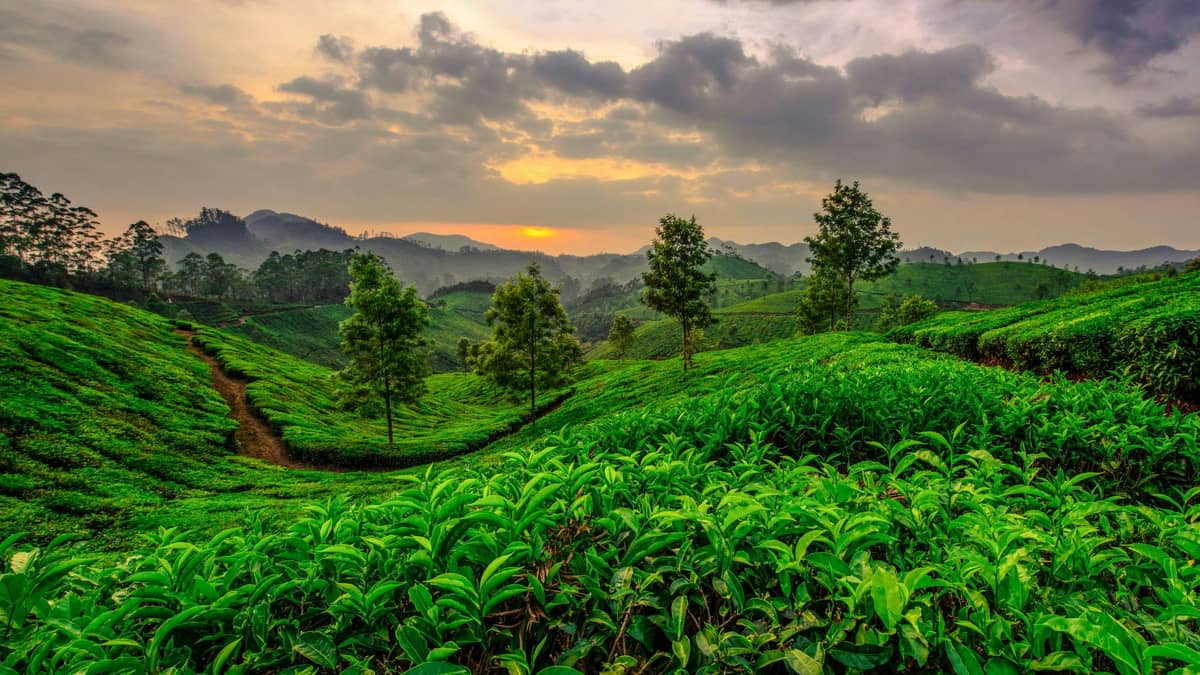
Munnar Through the Seasons: Finding Your Perfect Time to Visit
Munnar’s climate is one of its biggest attractions, and the best time to visit really depends on what kind of traveller you are. Whether you’re planning a relaxed family holiday, a romantic honeymoon, a budget-friendly escape, or a nature-focused trip, Munnar offers something unique in every season. Often called the “Kashmir of South India,” this hill station enjoys pleasantly cool weather throughout the year, making it a refreshing break from the heat of the plains.
In this guide, you’ll find a clear month-by-month breakdown of temperatures and rainfall, along with insights into peak and off-season travel. From misty monsoon landscapes to vibrant summer greenery and cozy winter vibes, each season brings its own charm. You’ll also discover the best times for experiences like tea plantation visits, sightseeing, and outdoor activities, helping you plan the perfect Munnar trip based on your preferences.
Book your Munnar tour package today and experience misty hills, lush tea gardens, and unforgettable moments in the heart of Kerala.
Munnar at a Glance – Seasonal Overview
Season | Months | Temperature | Crowds & Cost | Best For |
|---|---|---|---|---|
Summer | Mar – May | 15°C – 30°C | Moderate crowds. Lower hotel rates. | Families, tea garden walks, budget escapes from plains heat. |
Winter | Oct – Feb | 5°C – 25°C | Very high. Premium prices. | Honeymoons, sightseeing, trekking, photography, all-around best experience. |
Monsoon | Jun – Sep | 12°C – 25°C | Very low. Best deals. | Ayurveda, wellness retreats, waterfall chasing, solitude. |
The Best Time to Visit Munnar by Season
Summer (March – June) - Tea Lovers & Families
Warm, clear days (19°C–35°C) with cool evenings. Eravikulam National Park reopens in April. Ideal for tea plantation tours and panoramic viewpoints. Book early — school holidays bring crowds.
Winter (October – February) - Best Overall Experience
Cool and crisp (5°C–25°C) with clear mountain views. Peak honeymoon and trekking season. Christmas and New Year bring a festive atmosphere. Book 2–3 months ahead for December stays.
Monsoon (July – September) - Budget & Greenery
Dramatic rainfall (up to 398 mm in July) turns valleys vivid green. Waterfalls roar at full flow. Lowest hotel rates of the year. Check road conditions before travel. Landslide risk is real.
Munnar Month-by-Month Weather & Travel Planner
Month | Temp (Day/Night) | Rainfall | Season | Travel Experience | Recommended Activities | Pros | Cons | Packing |
|---|---|---|---|---|---|---|---|---|
January | 23°C / 12°C | 22 mm | Peak | Peak season. Ideal for all types of travellers. Crisp air and excellent visibility. | Tea plantation tours, trekking, photography, and boating at Mattupetty Dam | Perfect weather, clear mountain views | Crowded, high accommodation rates, need booking | Warm layers (jacket, sweater), sunscreen, sunglasses, comfortable walking shoes |
February | 24°C / 13°C | 29 mm | Peak | Peak season continues. Similar to January, with slightly warmer days. | Wildlife spotting (before park closes), sightseeing, camping | Pleasant days, low rainfall, great for outdoor activities | Eravikulam National Park is typically closed for calving season | Light woollens, sun hat, moisturiser, sturdy footwear, camera |
March | 25°C / 15°C | 44 mm | Shoulder | Pre-summer. Crowds begin to thin. Good balance of weather and value. | Tea estate walks, visit Top Station, cycling, birdwatching | Fewer tourists, lower rates than peak season, still pleasant | Warmer during midday, the park remains closed | Cotton clothes for the day, a light jacket for the evening, a water bottle, and insect repellent |
April | 26°C / 16°C | 121 mm | Shoulder | Warmest month. Good for families on school break. | Eravikulam National Park (reopens), visiting waterfalls, spice garden tours | Park reopens for Nilgiri Tahr sightings, lush greenery begins | Rising heat and humidity, occasional rain | Light cotton clothing, raincoat or umbrella, sunscreen, hat, sunglasses |
May | 25°C / 17°C | 160 mm | Shoulder | Transition month. Moderate crowds. Last chance before heavy rains. | Waterfall visits (Chinnakanal, Lakkam), tea museum, short treks | Green landscapes, good hotel deals, fewer tourists | Humidity rises, rain is more frequent, and some trekking trails are closed | Light clothes, rain gear, anti-leech socks for walks, power bank for outages |
June | 23°C / 16°C | 264 mm | Off-season | Off-season begins. For travellers who love rain and solitude. | Ayurvedic treatments, indoor photography, tea tasting, cosy resort stays | Lowest rates, no crowds, spectacular greenery, roaring waterfalls | Road closures, slippery trails, limited outdoor activities, and potential landslides | Waterproof jacket, sturdy waterproof boots, umbrella, leech protection, warm layers |
July | 22°C / 15°C | 398 mm | Off-season | Peak monsoon. Best for relaxation and wellness retreats. | Spa and massage, reading by a window, monsoon photography, visiting indoor attractions | Cheapest travel costs, serene atmosphere, vibrant green valleys | Many roads and attractions are closed, with a high chance of travel disruption | Multiple waterproof layers, quick-dry clothing, waterproof bag covers, anti-leech gear |
August | 22°C / 15°C | 268 mm | Off-season | Still deep monsoon. Similar to July, with marginally less rain. | Long drives (if roads permit), visiting the tea factory, and enjoying local cuisine | Lush scenery continues, great for budget travellers, peaceful | Continued risk of road issues, fog limits views | Same as July: rain jacket, umbrella, leech repellent, warm clothes for evenings |
September | 23°C / 15°C | 210 mm | Shoulder | Transition month. Landscape at its greenest. A hidden gem for visitors. | Waterfall photography, trekking (gradually reopening), nature walks, wildlife spotting | Less rain than monsoon peak, vibrant flora, roaring waterfalls, fewer tourists | Some roads are still muddy, fog is possible, not fully dry yet | Waterproof jacket, hiking shoes, mosquito repellent, light layers, camera for greenery |
October | 22°C / 15°C | 254 mm | Peak starts | Peak season begins late October. The weather improves significantly. | Boating, sightseeing, visiting tea gardens, and cultural experiences | Greenery remains, weather becomes pleasant, post-monsoon freshness | Still significant rainfall early in the month, crowds increase in late October | Umbrella, light raincoat, mix of summer and winter clothes, comfortable walking shoes |
November | 22°C / 14°C | 176 mm | Peak | Peak season is in full swing. Excellent travel conditions. | Trekking, camping, night photography, visiting Eravikulam, and tea tasting | Ideal weather, clear mountain views, perfect for all outdoor activities | Crowded, premium prices, need booking for everything | Warm jacket, scarf, gloves for early mornings, sunscreen, lip balm, good trekking shoes |
December | 22°C / 13°C | 96 mm | Peak | Peak holiday season. Festive atmosphere. Best for Christmas and the New Year. | Honeymoon packages, Christmas celebrations, sunrise at Kolukkumalai, bonfire evenings | Charming cold weather, festive vibe, stunning clear skies, great for photography | Most expensive and crowded month, book 2-3 months in advance | Heavy woollens (temperatures drop to 5°C at night), gloves, a beanie, thermals, a hot beverages flask |
Best weather for outdoor activities: January, February, November, December
- Best for budget travel: June, July, August
- Best for greenery and waterfalls: September, October
- Best for Nilgiri Tahr wildlife viewing: April–May and September–November
- Most crowded months: January, February, November, December
- Avoid trekking: June, July, August, heavy rain and slippery trails
Smart Travel Tips for Munnar in Every Season
- Layer up for evenings: Even in summer, Munnar evenings can drop to 15°C. Always carry a light jacket regardless of the season.
- Book early for peak season: December and January hotels sell out 2–3 months ahead. Lock in accommodation early to avoid surge pricing.
- Check roads before monsoon travel: The Kochi–Munnar and Madurai–Munnar stretches are prone to landslides from June to September. Check with the Kerala Police Road Safety Authority before departing.
- Carry altitude medication: Munnar sits between 1,500 m and 2,700 m. Pack basic cold, allergy, and motion-sickness medication for winding hill roads.
- Travel responsibly: Don't pluck tea leaves, stay on marked trails, and follow eco-tourism guidelines set by the Eravikulam National Park authority.
Season-Specific Packing Lists for Munnar
Summer (Apr–Jun)
- Light, breathable cotton clothes
- Light jacket for evenings
- Sunglasses and a wide-brim hat
- SPF 50+ sunscreen
- Comfortable walking shoes
- Rain gear from May onwards
Winter (Oct–Feb)
- Heavy woolens and thermal innerwear
- Fleece jacket and waterproof outer layer
- Gloves, scarf, and woolen beanie
- Moisturizer and lip balm
- Closed shoes with warm socks
- Hot flask for early morning treks
Monsoon (Jul–Sep)
- Waterproof jacket or poncho
- Waterproof boots with grip soles
- Anti-leech socks
- Quick-dry clothing
- Waterproof bags for electronics
- Mosquito repellent and anti-fungal powder
FAQ's
Conclusion – Find Your Perfect Season in Munnar
The best time to visit Munnar truly depends on what you’re looking for. Summer (March–June) is perfect for pleasant weather, family trips, and exploring tea gardens. Winter (October–February) brings romantic vibes, misty mornings, and is ideal for honeymooners. If you prefer fewer crowds and budget-friendly travel, Monsoon (July–September) offers lush greenery, peaceful surroundings, and rejuvenating Ayurveda experiences.
What makes Munnar special is that its rolling tea hills remain stunning all year round, especially vibrant after the monsoon rains. No matter when you visit, the charm never fades. Plan your perfect getaway with Travelfika and experience Munnar at its best.