IND: +91 9629929970
 USA: +1 (415) 718-2654
Best Time to Visit New Zealand: Seasons, Weather & Travel Tips

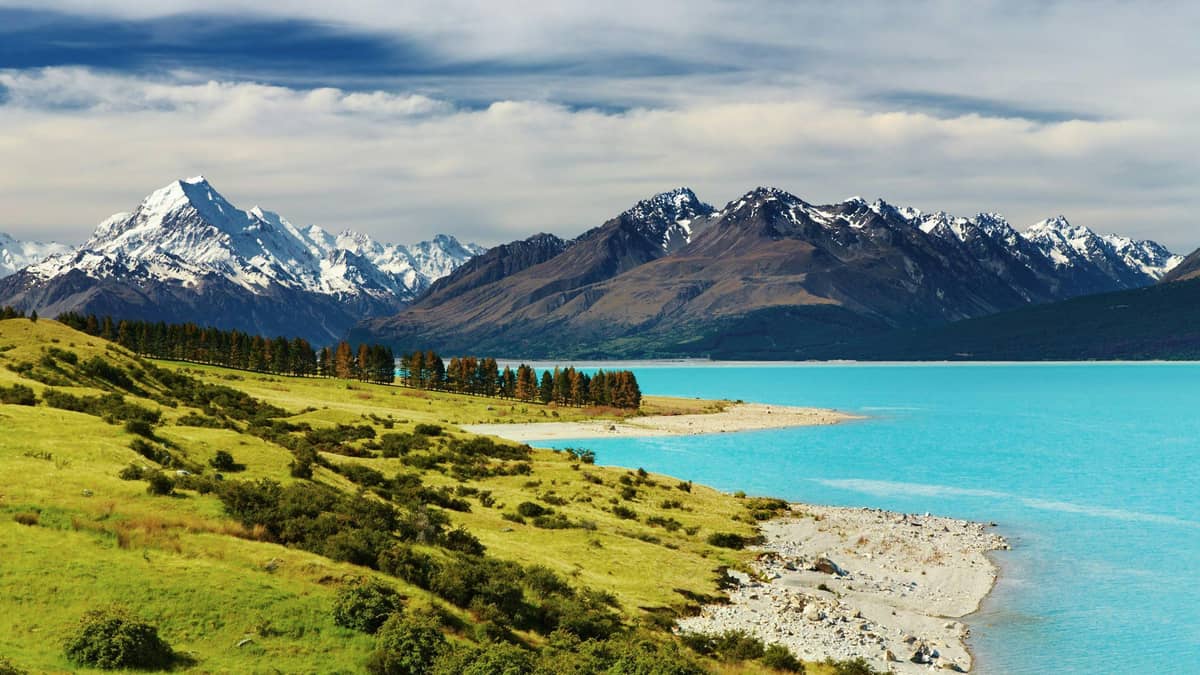
New Zealand is a land of dramatic landscapes from snow-capped mountains in the South Island to lush forests and golden beaches in the North Island. Its diverse geography and climates mean there’s no single “best time” to visit. Whether you’re seeking adventure, scenic beauty, cultural experiences, or festivals, this guide helps you pick the perfect season.
New Zealand’s Seasons at a Glance
New Zealand experiences four distinct seasons, with differences between the North and South Islands:
- Summer (December–February): Warm, long days, ideal for beaches, hiking, and outdoor activities.
- Autumn (March–May): Mild temperatures, fewer crowds, colorful foliage, perfect for sightseeing and wine tours.
- Winter (June–August): Cold in the South Island, ideal for skiing and snow sports; mild in the North Island.
- Spring (September–November): Blooming flowers, waterfalls at full flow, and excellent conditions for hiking and road trips.
Month-by-Month Guide: Best Time to Visit New Zealand
January in New Zealand: Peak Summer Adventure
- Vibe: Hot, sunny, perfect for outdoor activities.
- Weather: Similar to December; occasional heat waves.
- Crowds & Prices: Peak tourist season; book early.
- Pros: Excellent for beaches, cruises, and national park explorations.
- Cons: High crowds in popular spots like Queenstown and Rotorua.
- Best For: Beach lovers, adventure sports enthusiasts, and festival-goers.
February in New Zealand: Late Summer and Festivals
- Vibe: Warm and social; many cultural events take place.
- Weather: 20–30°C North, 15–25°C South.
- Crowds & Prices: Still high, especially in tourist towns.
- Pros: Wine festivals, hiking, and sightseeing with long daylight hours.
- Cons: Crowded popular attractions.
- Best For: Culture lovers, honeymooners, and wine enthusiasts.
March in New Zealand: Autumn Arrives with Scenic Beauty
- Vibe: Mild, picturesque, and less crowded.
- Weather: 18–25°C North, 12–20°C South.
- Crowds & Prices: Shoulder season; moderate prices.
- Pros: Ideal for vineyard tours, hiking, and photography.
- Cons: Rainfall begins increasing in some regions.
- Best For: Couples, photographers, and cultural travelers.
April in New Zealand: Autumn Colors and Comfortable Weather
- Vibe: Crisp air, autumn foliage, perfect for scenic drives.
- Weather: 15–22°C North, 10–18°C South.
- Crowds & Prices: Low to moderate.
- Pros: Excellent for road trips, Maori cultural experiences, and wildlife spotting.
- Cons: Cooler evenings, some hiking trails may be slippery.
- Best For: Nature lovers, first-time visitors, and road trippers.
May in New Zealand: Quiet Autumn Charm
- Vibe: Calm, mild, and colorful landscapes.
- Weather: 14–20°C North, 8–15°C South.
- Crowds & Prices: Lower, ideal for budget travel.
- Pros: Peaceful sightseeing, lower accommodation rates, fewer tourists.
- Cons: Shorter daylight hours.
- Best For: Budget travelers, couples, and photography enthusiasts.
June in New Zealand: Winter Begins
- Vibe: Cold in South Island, mild in North Island.
- Weather: 10–15°C North, 5–12°C South.
- Crowds & Prices: Low season except ski resorts.
- Pros: Skiing in Queenstown and Wanaka, peaceful tourist spots.
- Cons: Some outdoor activities limited in South Island due to cold.
- Best For: Ski enthusiasts, families, and quiet travelers.
July in New Zealand: Peak Winter in South Island
- Vibe: Snowy mountains, cozy winter vibes.
- Weather: 8–12°C North, 0–8°C South.
- Crowds & Prices: High at ski resorts, low elsewhere.
- Pros: Skiing, snowboarding, alpine photography.
- Cons: Cold, shorter days.
- Best For: Adventure travelers, families, and winter sports lovers.
August in New Zealand: Winter Adventures and Wildlife Watching
- Vibe: Crisp, clear skies, excellent for wildlife tours.
- Weather: 10–14°C North, 0–8°C South.
- Crowds & Prices: Moderate; ski season continues.
- Pros: Whale watching, snowy landscapes, skiing.
- Cons: Cold in South Island; limited beach activities.
- Best For: Nature lovers, photographers, and winter sports enthusiasts.
September in New Zealand: Spring Awakens
- Vibe: Blooming flowers, waterfalls at full flow.
- Weather: 15–20°C North, 5–15°C South.
- Crowds & Prices: Shoulder season; moderate rates.
- Pros: Hiking, wildlife spotting, national parks at their best.
- Cons: Unpredictable rain showers.
- Best For: Nature lovers, couples, and hikers.
October in New Zealand: Spring Festivals and Blooming Landscapes
- Vibe: Mild, colorful, and festival-rich.
- Weather: 16–22°C North, 8–18°C South.
- Crowds & Prices: Moderate; good for sightseeing.
- Pros: Flower festivals, vineyard tours, road trips.
- Cons: Some rainfall in northern regions.
- Best For: Couples, culture seekers, and road trip enthusiasts.
November in New Zealand: Pre-Summer Warmth
- Vibe: Warm, sunny, and outdoor-friendly.
- Weather: 18–25°C North, 10–20°C South.
- Crowds & Prices: Rising with early summer travelers.
- Pros: Excellent for adventure sports, beach activities, and national parks.
- Cons: Crowds in popular tourist towns.
- Best For: Beach lovers, adventure seekers, and festival-goers.
December in New Zealand: Summer Holidays Begin
- Vibe: Hot, festive, and lively.
- Weather: 20–30°C North, 15–25°C South.
- Crowds & Prices: Peak season; plan early.
- Pros: Christmas and New Year celebrations, beaches, hiking, and road trips.
- Cons: High accommodation costs, busy tourist spots.
- Best For: Families, festival enthusiasts, and beach-goers.
What to Pack for an Australia Trip?
Traveling to New Zealand requires preparation for changing weather and diverse activities, from beaches to mountains. Here’s a detailed packing guide:
- Layered Clothing: Pack light layers like t-shirts, long-sleeve shirts, and sweaters. Weather can change quickly, especially in the South Island.
- Waterproof Jacket: Essential for rain and wind, particularly if visiting fjords, national parks, or hiking trails.
- Comfortable Hiking Shoes: Sturdy, waterproof hiking shoes or boots for trails, mountains, and uneven terrain.
- Casual Shoes: For city tours, cafes, and light walking.
- Swimwear: For beaches, hot springs, and water sports.
- Sun Protection: Sunscreen, sunglasses, and a wide-brim hat; UV levels are high even in winter.
- Warm Clothing for Winter: Thermal layers, gloves, scarf, and beanie if traveling June–August or heading to ski regions.
- Travel Backpack & Daypack: For day trips, hikes, and city explorations.
- Reusable Water Bottle: Stay hydrated while trekking or exploring cities.
- Camera & Binoculars: Capture stunning landscapes, wildlife, and scenic views.
- Adapters & Chargers: New Zealand uses type I plugs; carry power banks for long trips.
- Insect Repellent: Important in summer months, particularly near rivers and forests.
- Swim Shoes / Sandals: For beaches, rivers, or rocky coastal areas.
- Personal Toiletries & Medications: Include basic first-aid supplies and prescription medications.
Tip: Pack versatile clothing for layering, as New Zealand’s climate can vary significantly within a single day. Always check the regional forecast before your trip.
Which Season is Best for Your New Zealand Travel?
For First-Time Visitors
Best Time: March to May or September to November
These months offer mild temperatures, fewer crowds, and stunning natural landscapes. In autumn (March–May), you’ll enjoy colorful foliage in Central Otago, calm coastal towns, and vineyard tours in Marlborough. In spring (September–November), blooming gardens, snow-melt waterfalls, and wildlife encounters make sightseeing unforgettable.
Why It’s Ideal: Comfortable temperatures (15–25°C in North Island, 10–20°C in South Island), manageable logistics, and excellent photo opportunities. You can easily combine city exploration, cultural experiences, and outdoor adventures, the true essence of New Zealand.
For Budget Travelers
Best Time: June to August (off-peak in North Island) and May or September (shoulder seasons)
The off-season brings significant discounts on accommodations, flights, and tours. While South Island gets cold with snow in ski regions, North Island remains mild (8–15°C), making it a cost-effective time for sightseeing and city visits.
Why It’s Ideal: Lower travel costs, fewer tourists, and quieter attractions. Perfect for travelers who prioritize affordability without missing the country’s key highlights.
For Families
Best Time: December to February or September to November
These months offer warm, kid-friendly weather with long daylight hours. Families can enjoy beaches in Bay of Islands, adventure parks in Queenstown, and wildlife sanctuaries like Zealandia in Wellington with minimal weather disruptions.
Why It’s Ideal: Balanced climate (20–30°C North Island, 15–25°C South Island), family-oriented accommodations, and smooth travel conditions for road trips and guided tours.
For Adventure & Outdoor Enthusiasts
Best Time: December to February (summer) or September to November (spring)
During these months, New Zealand’s mountains, lakes, and forests are fully accessible. Hike the Milford Track, kayak in Abel Tasman, or bungee jump in Queenstown. Spring adds vibrant flowers, active rivers, and clear skies for trekking and camping.
Why It’s Ideal: Stable weather, long daylight hours, and open trails for adventure sports. Start early in the day to avoid peak temperatures in summer.
For Culture & Festival Lovers
Best Time: February to March or September to October
Summer and early spring host festivals like Wellington’s New Zealand Festival, Auckland Arts Festival, and Pasifika Festival. In September–October, Maori cultural events, art exhibitions, and wine festivals bring towns alive.
Why It’s Ideal: Authentic cultural experiences, lively local festivals, and a festive atmosphere across cities and regions, allowing visitors to immerse themselves in New Zealand’s rich traditions.
Final Thoughts
New Zealand is a land of contrasts, from snow-capped mountains and fjords to golden beaches and lush forests. Every season offers something unique, vibrant spring blooms, summer adventure, autumn colors, and serene winter landscapes.
If you’re planning your trip, explore New Zealand Tourism for an overview of the country’s beauty, discover the top places to visit in New Zealand, and check out our curated guide to things to do in New Zealand.
When you’re ready to plan your journey, browse exclusive New Zealand Tour Packages by Travelfika for tailored itineraries, outdoor adventures, cultural experiences, and hassle-free travel planning.
Each season unveils a different side of this breathtaking country, so choose your ideal time and let Travelfika help you experience New Zealand at its very best.