IND: +91 9629929970
 USA: +1 (415) 718-2654
Sapa Travel Guide - Vietnam's Mountainous Masterpiece

Welcome to Sapa, a world of misty mountains, cascading rice terraces, and vibrant hill tribe cultures. This is a place where the air is crisp, the landscapes are breathtaking, and the traditions of ethnic minorities like the H'mong and Dao people are woven into the very fabric of life. From trekking through emerald-green valleys to sharing a meal with a local family, Sapa is an immersive journey into a different pace of life. Let this guide be your key to unlocking the stunning scenery, rich cultural exchanges, and unforgettable adventures in Vietnam’s premier highland destination. Your mountain escape starts here. Let the AI Travel Assistant plan your next trip.
Sapa at a Glance: Key Facts for Travel Planning
- Location: Sapa is a town in the remote northwest of Vietnam.
- Currency: Vietnamese Dong (VND). 1 INR equals about 300 VND.
- Language: Vietnamese; English is common in tourism. Local ethnic groups have their own languages.
- Time Zone: Indochina Time (GMT+7). No Daylight Saving.
- Power Sockets: Types A, C, F. 220V/50Hz. Use an adapter.
- Visa: Required; same visa as for entry into Vietnam.
- Population: The town and district are home to roughly 150,000, including many ethnic minorities.
- Best Time to Visit: The ideal seasons are March-May and September-November.
The Essential Pre-Trip Planner for Sapa
Visas & Entry Requirements
Your standard Vietnamese visa, which you obtain for entry into the country (e.g., the e-Visa), is all you need to travel to Sapa. There are no additional permits required for the town itself. Just ensure you have your passport and visa with you. For a stress-free application without any surprises, check out our complete guide to getting your Vietnam visa here!
Vaccinations & Health
The same health recommendations for Vietnam apply. Consult your doctor for routine vaccinations and consider Hepatitis A and Typhoid. Due to the mountainous terrain and trekking, ensure you are in good physical health. Comprehensive travel insurance that covers medical evacuation is highly recommended. The sun can be strong at altitude, so pack high-SPF sunscreen.
Money & Budgeting
- Budget (Backpacker): ₹1,500 - ₹2,500 per day (hostel dorms, local eateries, self-guided treks).
- Mid-Range: ₹4,000 - ₹7,000 per day (hotels with views, guided treks, meals at good restaurants).
- Luxury: ₹9,000+ per day (luxury resorts, private guided tours, fine dining).
ATMs are available in Sapa town but are less common in the villages. The region operates almost entirely on cash. Withdraw enough Vietnamese Dong in Hanoi before you travel. Homestays and local markets will require cash.
Internet & SIM Cards
Your Vietnamese SIM card from Hanoi will work in Sapa town, with 3G/4G coverage. However, the signal can be weak or non-existent once you head into the valleys and remote villages for trekking. Inform family and download offline maps before you set out on a trek.
Packing for Sapa
- Clothing: The weather is highly changeable. Pack layers! Include t-shirts, a fleece, and a waterproof/windproof jacket. For trekking, quick-dry pants and shirts are ideal.
- Essentials: Sturdy, broken-in hiking boots are a must. Also pack a daypack, a reusable water bottle, a power bank, a headlamp, hand sanitizer, and any personal medications.
- Extras: A rain poncho, trekking poles (or rent locally), high-SPF sunscreen, a wide-brimmed hat, and insect repellent.
How to Reach Sapa from Hanoi
Reaching Sapa from Hanoi is easy, convenient, and offers multiple travel options for every budget. Whether you prefer trains, buses, private cars, or motorbikes, the journey is scenic and comfortable. Since most travellers begin their trip in Hanoi, it serves as the perfect starting point to explore the beautiful mountains of Sapa.
By Train (Hanoi to Sapa Train via Lao Cai)
The Hanoi to Lao Cai overnight train is one of the most comfortable and scenic ways to reach Sapa. The journey takes 7–8 hours, followed by a 1-hour bus or taxi ride to Sapa town. It’s ideal for travellers who prefer a relaxed and safe travel experience.
By Bus (Direct Hanoi to Sapa Sleeper Buses & Limousines)
Direct buses from Hanoi to Sapa take around 5–6 hours and are the fastest and most affordable option. Sleeper buses and luxury limousines offer comfortable seats, Wi-Fi, and direct drop-off in Sapa. This option suits budget travellers and those wanting a quick, hassle-free journey.
By Private Car or Taxi (Hanoi to Sapa by Road)
Hiring a private car or taxi lets you travel from Hanoi to Sapa in about 5 hours via the smooth Noi Bai–Lao Cai Expressway. This option offers full flexibility, doorstep pick-up, and scenic stops along the way, making it perfect for families and small groups.
By Motorbike (Scenic Hanoi to Sapa Mountain Route)
The Hanoi to Sapa motorbike route is a favourite among adventure travellers. The ride takes 7–9 hours depending on stops and road conditions. With winding mountain roads, rice terraces, and stunning landscapes, it offers an immersive travel experience for confident riders seeking freedom and scenery.
By Air (Nearest Airports to Sapa & Road Transfers)
Sapa doesn’t have an airport, but travellers can fly to Hanoi’s Noi Bai Airport or Dien Bien Phu. From either airport, you can continue by bus, private car, or taxi to reach Sapa. This option is ideal for international visitors arriving by air before heading to the mountains.
Top 10 Things to Do in Sapa: Must-See Sights & Experiences
Sapa is one of Vietnam’s most beautiful mountain destinations, offering a mix of nature, culture, adventure, and local experiences. Whether you love trekking, photography, or exploring ethnic villages, Sapa has something for every traveller.
Trek Through Muong Hoa Valley
Walk through terraced rice fields, visit ethnic villages, meet locals, and enjoy peaceful, breathtaking mountain scenery throughout the trail.
Visit Fansipan Summit
Ride the cable car or hike up to the “Roof of Indochina” for sweeping cloud views, temple complexes, and stunning mountain panoramas.
Explore Cat Cat Village
Discover Hmong culture, waterfalls, craft shops, traditional houses, and scenic pathways offering plenty of photography and cultural interaction opportunities.
Discover Ta Van Village
Experience countryside life, stay in cozy homestays, interact with Giay families, and enjoy relaxing landscapes surrounded by terraced hills.
Visit Y Linh Ho Village
Trek peaceful trails, see untouched rice terraces, meet Hmong villagers, and explore natural beauty far from busy tourist paths.
See Love Waterfall
Walk through forest trails, listen to flowing streams, enjoy cool mountain air, and reach a beautiful waterfall with a romantic local legend.
See Silver Waterfall
Capture dramatic cascading water, enjoy fresh mountain breeze, take scenic photos, and stop for a quick nature break on your journey.
Drive Through O Quy Ho Pass
Travel along winding mountain roads, witness deep valleys, tall peaks, cloud waves, and enjoy one of Vietnam’s most iconic viewpoints.
Explore Sapa Town & Stone Church
Visit lively markets, taste local food, explore cafes, enjoy the town’s charm, and see the historic French-era stone church.
Visit Ham Rong Mountain
Climb past flower gardens, rocky viewpoints, cultural zones, and reach panoramic spots that overlook Sapa town and distant mountain ranges.
Looking for unforgettable experiences? Explore our Things to Do in Vietnam guide to discover cultural gems, adventure spots, and unique local activities.
Top 8 Places to Visit in Sapa: Top Attractions & Hidden Gems
Sapa offers a perfect blend of nature, culture, and adventure, making it one of Vietnam’s most popular mountain destinations. From hiking through terraced rice fields to exploring ethnic minority villages, travellers can enjoy many unforgettable experiences. Here are the best things to do in Sapa for first-time visitors.
Fansipan Mountain
Known as the “Roof of Indochina,” offering cable car rides, cool weather, and breathtaking panoramic views of mountains and clouds.
Muong Hoa Valley
Famous for rice terraces, ancient stone carvings, and ethnic villages. Ideal for trekking, photography, and learning about Hmong and Red Dao culture.
Cat Cat Village
A traditional Hmong village with wooden houses, waterfalls, handicraft shops, and cultural performances along a scenic walking trail.
Ta Van Village
Peaceful village known for terraced fields, homestays, local food, and the warm hospitality of the Giay ethnic community.
Silver Waterfall
A powerful cascading waterfall on the way to O Quy Ho Pass, great for photos and quick nature stops.
Love Waterfall
A romantic waterfall surrounded by forest trails, streams, and scenic viewpoints, perfect for a relaxing nature walk.
O Quy Ho Pass
One of Vietnam’s highest passes, offering dramatic landscapes, cloud-hunting points, and unforgettable sunset views.
Sapa Stone Church
A historic French-built church located in the town center, popular for sightseeing, photography, and nearby markets.
Not sure where to go first? Dive into our Places to Visit in Vietnam guide to find the country’s most iconic destinations and hidden treasures.
Where to Stay in Sapa: Top Accommodation Picks
Your Sapa experience varies greatly depending on where you stay. Choose from bustling town centers, peaceful villages, or luxurious hilltop retreats.
SSapa Town Hotels (Convenient & Central)
- Silk Path Grand Resort & Spa Sapa - 5-star, stunning valley views, heated pool, from ~$120/night
- Sapa Elegance Hotel - 4-star, rooftop restaurant with panoramic views, central location, from ~$45/night
- Sapa Cozy Hotel - Budget-friendly, 5-in walk to Stone Church and market, from ~$18/night
Muong Hoa Valley Homestays
- A Mong Homestay, Ta Van Village - Authentic Giay family homestay, local meals included, from ~$15/night
- Sapa Homestay Valley - Wooden house with valley views, guided trek packages available, from ~$20/night
Luxury Hilltop Resorts
- Topas Ecolodge - The benchmark; hilltop infinity pool, bungalows, from ~$180/night (note: 30-min drive from town)
- Victoria Sapa Resort & Spa - Colonial-style, ski lift access, in-town location, from ~$110/night
Sapa Food Guide: A Taste of the Highlands
Sapa’s food culture is a mix of mountain flavours, ethnic recipes, and fresh local produce. From grilled skewers to traditional hotpot, Sapa offers unique dishes that you won’t find anywhere else in Vietnam. Here are the best foods to try and where to eat in Sapa.
Must-Try Foods in Sapa
Thang Co (Traditional Mountain Stew)
A famous Hmong dish made with herbs, meat, and slow-cooked broth. It has a strong flavour and is perfect for cold weather.
Salmon Hotpot (Sapa Ca Hoi Lau)
Sapa is known for fresh mountain-raised salmon. The hotpot is light, flavourful, and ideal for travellers who want a warm local meal.
Grilled Meats & Skewers (Barbecue Street Food)
Sapa’s night market is filled with grilled pork, chicken, mushrooms, sticky rice, and local vegetables cooked over charcoal.
Bamboo Sticky Rice (Com Lam)
Sticky rice cooked inside bamboo tubes, giving it a smoky aroma. It’s often served with grilled meat or local sauces.
Black Chicken (Ga Den)
A rare ethnic dish made with herbal broth and tender black chicken, believed to have medicinal benefits.
Spring Rolls (Nem Sapa)
Crispy Vietnamese spring rolls filled with pork, vegetables, or mushrooms—simple, tasty, and loved by travellers.
Where to Eat in Sapa
- Sapa Night Market- Best place for street food, grilled skewers, local snacks, and budget-friendly meals.
- Moment Romantic Restaurant- Famous for salmon hotpot, mountain barbecue, and beautiful hill views.
- Good Morning Vietnam Restaurant- A traveller-favourite serving local Sapa dishes, Vietnamese classics, and homely flavours.
- The Hill Station Signature Restaurant- Known for ethnic dishes, traditional ingredients, and modern-style presentations.
- Little Vietnam Restaurant- Great for affordable meals, local soups, rice dishes, and vegetarian-friendly options.
Want to taste Vietnam like a local? Dive into our Food & Culinary Travel guide to discover must-try dishes, street food hotspots, and regional flavors.
Explore Cities From Where you Can Travel To Vietnam:
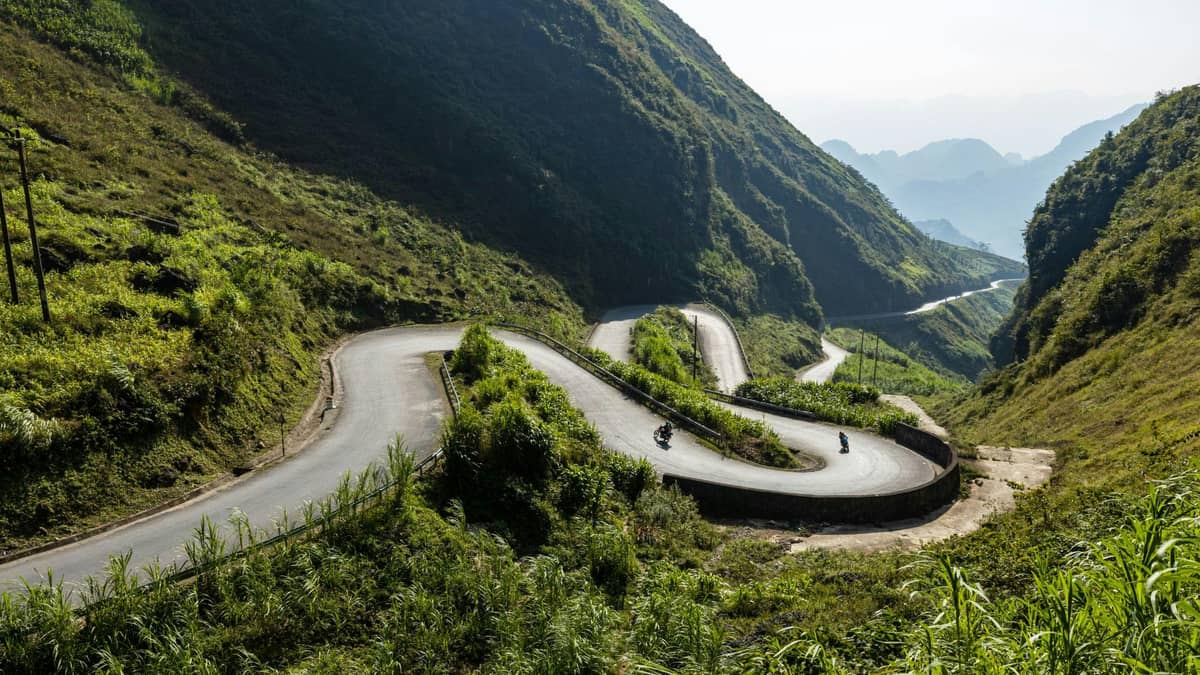
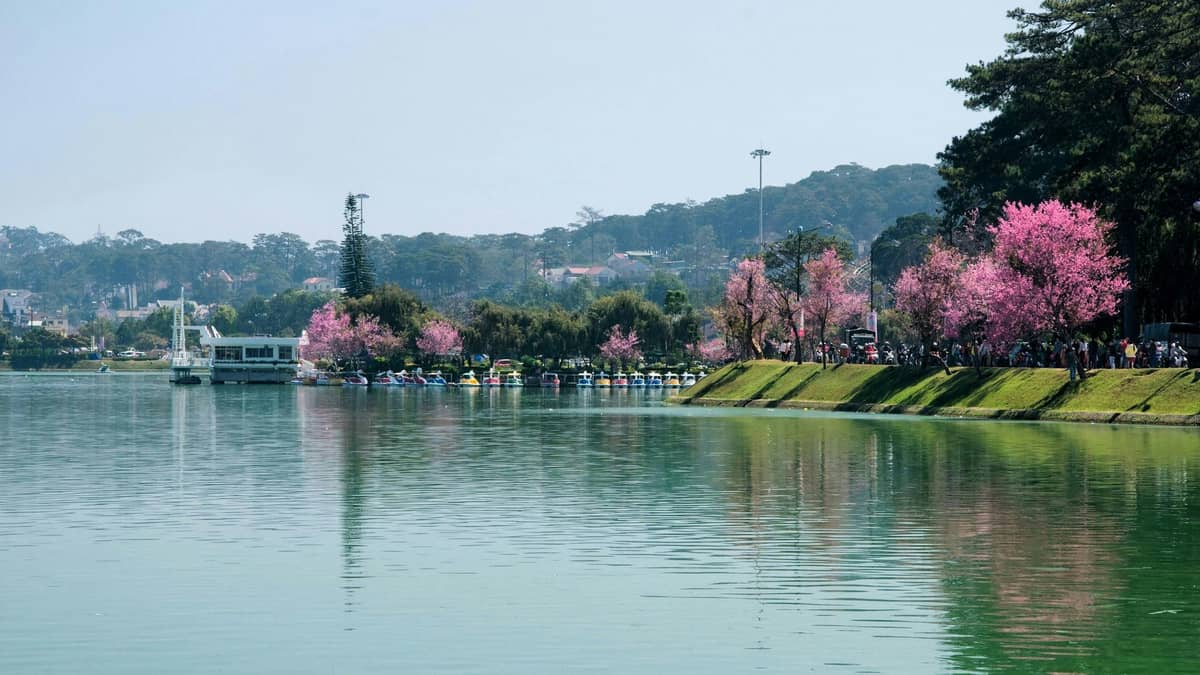
Sapa Itinerary: 1 to 5 Days in the Highlands
Whether you have a weekend or a full week, this flexible itinerary helps you experience the best of Sapa's trekking and culture.
1-Day Itinerary: Sapa's Essential Glimpse
Day 1: Explore Sapa town, visit the Stone Church, and enjoy panoramic views from Ham Rong Mountain. Walk through local markets to meet ethnic minority communities. End your day with a short trek to Cat Cat Village for waterfalls, craft shops, and cultural performances.
2-Day Itinerary: A Classic Trekking Experience
Day 1: Start with a scenic trek through the terraced fields of Y Linh Ho and Lao Chai. Visit local villages of the Black Hmong community and enjoy authentic countryside meals.
Day 2: Continue trekking toward Ta Van Village, home to the Giay ethnic group. Cross wooden bridges, pass rice terraces, and enjoy the peaceful Muong Hoa Valley before returning to Sapa town.
3-Day Itinerary: Deeper Culture & Scenery
Day 1: Arrive in Sapa. Trek through Y Linh Ho and Lao Chai villages. Continue to Ta Van for an authentic overnight homestay.
Day 2: Trek from Ta Van through bamboo forests to Giang Ta Chai. Return to Sapa and visit the powerful Silver Waterfall.
Day 3: Explore remote Ta Phin Village (Red Dao culture) or Ban Ho (waterfalls). Unwind with a traditional herbal bath before departure.
4-Day Itinerary: Remote Valleys & Relaxation
Day 1: Arrive in Sapa. Trek to Y Linh Ho and Lao Chai villages. Overnight homestay in Ta Van.
Day 2: Trek from Ta Van to Giang Ta Chai. Return to Sapa and visit the Silver Waterfall.
Day 3: Explore remote Ta Phin Village and its Red Dao culture. Enjoy a soothing herbal bath.
Day 4: Embark on a challenging trek to Muong Bo Valley or enjoy a relaxed day exploring Sapa's local markets.
5-Day Itinerary: The Complete Sapa Adventure
Day 1: Arrive in Sapa. Trek to Y Linh Ho and Lao Chai villages. Overnight homestay in Ta Van.
Day 2: Trek from Ta Van to Giang Ta Chai. Return to Sapa and visit the Silver Waterfall.
Day 3: Explore remote Ta Phin Village and its Red Dao culture. Enjoy a soothing herbal bath.
Day 4: Trek to the challenging Muong Bo Valley or explore Sapa's markets at a relaxed pace.
Day 5: Undertake a trek to Fansipan's summit or explore the northern routes to Sin Chai and the Love Waterfall.
Day Trips from Sapa: Explore the Far North
Use Sapa as a base to discover even more remote and stunning corners of the Northern Highlands.
Trek to the Remote Village of Ban Ho and Thanh Phu
Visit Tay and Red Dao villages, swim in waterfalls, and experience a less-touristed area.
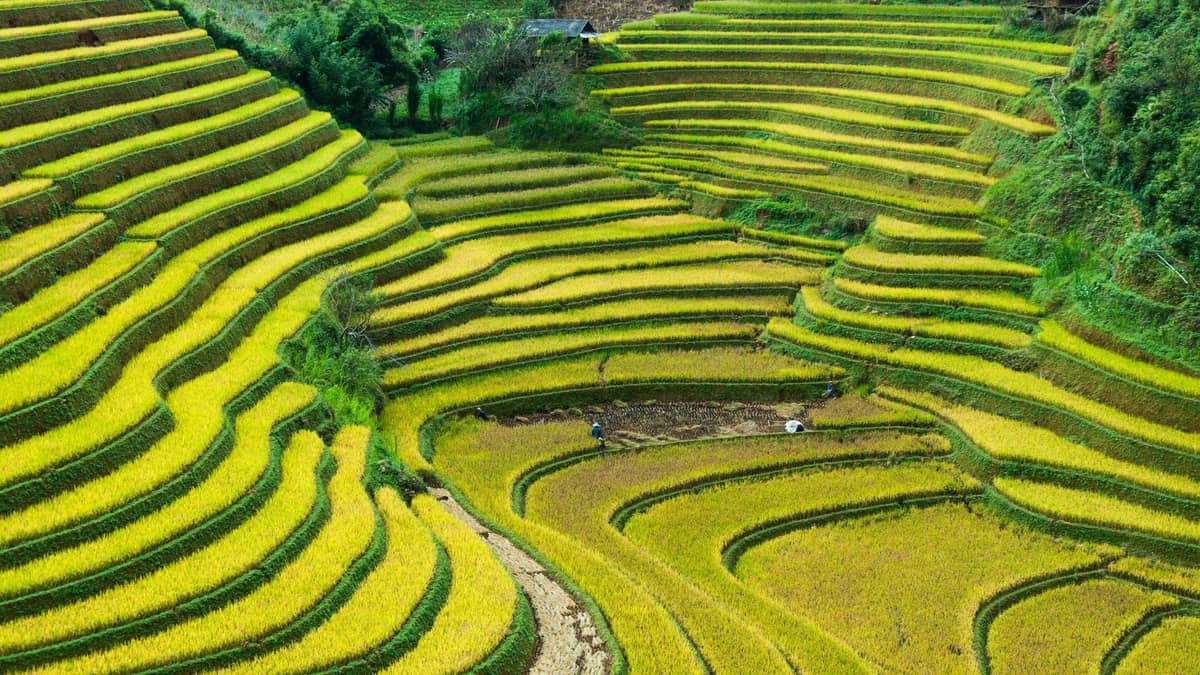
Discover the Pristine Beauty of Mu Cang Chai
Visit during the harvest (Sept-Oct) to see some of Vietnam's most spectacular golden rice terraces.
Journey to the Ancient Rock Formations in Ha Giang
Use Sapa as a stepping stone to begin the epic Ha Giang Loop, a motorbike journey through dramatic karst peaks.
Explore the Cloudy Kingdom of O Quy Ho Pass
Drive along this majestic pass for incredible views and visit the "Cloud Yard" café.
Visit the Bac Ha Sunday Market
Experience Vietnam's most colorful and vibrant market, filled with Flower H'mong people in traditional dress (further from Sapa than the others).
Step into a Fairytale at the Love Waterfall
A scenic and gentle hike through a primeval forest to a beautiful, secluded waterfall.
Best Time to Visit Sapa: A Seasonal Guide
Sapa's beauty is dramatically different in each season. The ideal time depends on whether you want to see lush green terraces, golden harvests, or the rare chance of snow.
- Spring (Mar-May): Perfect Trekking & Flowers
Enjoy pleasant temperatures, blooming flowers, and the beginning of the rice planting season (water-filled terraces). - Summer (Jun-Aug): Lush Green & Occasional Storms
Experience warm weather, vibrant green rice terraces, but also the rainy season with mist and potential mud. - Autumn (Sep-Nov): Golden Harvest & Clear Skies
See the stunning golden rice terraces during harvest season under clear, blue skies. The most popular time for photography. - Winter (Dec-Feb): Cold, Misty & Chance of Snow
Feel the chilly air and experience a misty, atmospheric Sapa with a rare chance of snowfall. - Overall Best: Autumn (September to November)
Visit during the harvest for the most spectacular scenery and ideal trekking conditions. - Photography Time: Spring (March-May) & Autumn (Sept-Oct)
Capture the reflective water terraces in spring or the golden harvest in autumn. - Low Season: Winter (December to February)
Travel for lower prices and a unique, misty atmosphere, but be prepared for very cold weather.
Planning Your Sapa Adventure?
For a detailed look at weather patterns, rice season cycles, and monthly activity guides, dive into our complete Best Time to Visit Northern Vietnam guide to perfect your itinerary. Planning your trip and confused about the weather? Check out our Best Time to Visit Vietnam guide to choose the perfect month for your holiday.
Cultural Immersion & Experiences in Sapa
The true magic of Sapa lies in connecting with its people and their timeless traditions. Go beyond the scenery to engage with the rich cultural tapestry of the highlands.
- Time Your Visit with the Weekly Bac Ha Sunday Market
Experience a riot of color and culture at one of the most famous ethnic markets in Southeast Asia. - Learn About Traditional Weaving & Indigo Dyeing
Visit a H'mong home to see how they make hemp cloth and create beautiful indigo-dyed fabrics. - Participate in a Traditional Red Dao Herbal Bath
Soak in a medicinal herbal bath, a centuries-old therapy of the Red Dao people, to relieve aches. - Master Highland Cuisine with a Local Cooking Class
Learn to cook traditional dishes using fresh, local herbs and vegetables in a village homestay. - Join a Local Family for a Home-Cooked Meal
Share a simple, authentic meal with a H'mong or Dao family in their home for a genuine connection. - Hire a Local Guide from an Ethnic Minority
Gain deeper cultural insights and support the community directly by hiring a H'mong or Dao guide for your trek. - Buy Handmade Souvenirs Directly from the Artisans
Purchase intricate embroidery, silver jewelry, and woven textiles directly from the women who make them.
Practical Travel Tips & Etiquette for Sapa
Navigating Sapa's cultural landscape requires sensitivity and preparation. These tips will help you travel respectfully and safely.
- Dress modestly in villages to show respect for local cultures and traditions.
- Ask permission before taking photos of people, as some may expect a small tip.
- Hire local guides through reputable agencies or hotels for fair pay and safe trekking.
- Carry layers and a waterproof jacket, as Sapa’s weather changes quickly.
- Support the community by buying crafts directly from local artisans.
- Stay on marked trekking paths to respect private farmland and avoid getting lost.
- Bargain politely at markets, but keep prices fair for local sellers.
Conclusion & Final Checklist
A journey to Sapa is more than a mountain getaway; it's a profound encounter with nature's grandeur and the enduring spirit of Vietnam's ethnic cultures. From the awe-inspiring vistas of Fansipan to the warm smiles in a village homestay, this highland retreat offers a powerful blend of adventure, serenity, and human connection that will stay with you long after you've descended from the clouds.
Final Pre-Departure Checklist for Sapa:
- Passport valid for at least 6 months beyond your entry date
- Vietnamese E-Visa (printed copy and digital backup)
- Comprehensive Travel Insurance documents (check for trekking coverage)
- Booked transport from Hanoi to Sapa (bus/train tickets)
- Packed Essentials: sturdy hiking boots, layered clothing, waterproof jacket, daypack, reusable water bottle, power bank, and any personal medications.
- Cash in Vietnamese Dong (VND) for villages and homestays.
Feeling inspired but overwhelmed by the planning? Let us craft your perfect Vietnamese adventure.
Explore our exclusive Vietnam Tour Packages for seamless, culturally-rich, and hassle-free travel experiences tailored just for you.