IND: +91 9629929970
 USA: +1 (415) 718-2654
Maldives in June: Weather, Diving, Prices & Honest Travel Guide
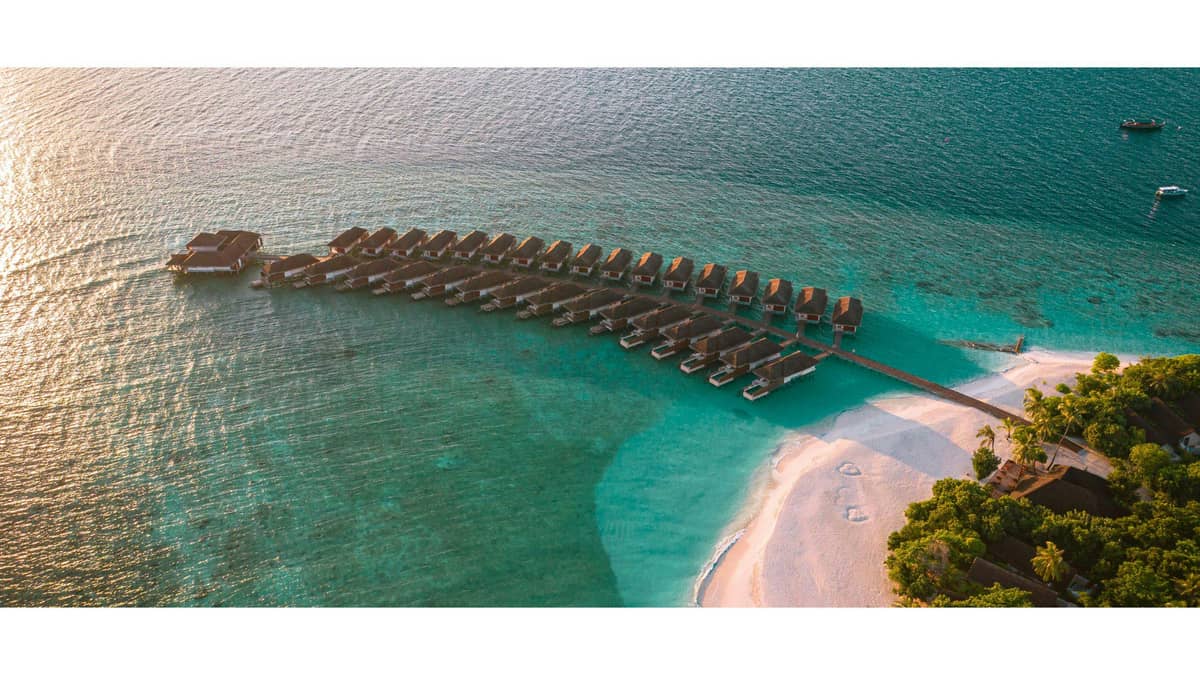
Quick Answer
June is the start of the Maldives' southwest monsoon season — and a genuinely good time to visit if you know what you're getting. Expect 28–31°C daily, short rain showers (typically 30–90 minutes, not all-day), 10–15 rain days across the month, and resort discounts of 25–50% vs peak season. The big draws: manta ray aggregations are beginning at Baa Atoll (Hanifaru Bay snorkelling season opens), whale sharks are present year-round in South Ari Atoll, and June marks the start of prime surf season (Sultans, Pasta Point, Jailbreaks). Avoid June if you need guaranteed blue skies every day — that's November to April. |
|---|
Maldives in June — At a Glance
Detail | June Data |
|---|---|
Avg. daytime temperature | 28–31°C |
Avg. night temperature | 26°C |
Sea temperature | 28–29°C |
Rainfall | ~170 mm total; 10–15 rain days |
Rain pattern | Short bursts of 30–90 min; rarely all-day |
Daily sunshine | 5–7 hours |
Humidity | ~80% (ocean breeze helps) |
Resort discount vs peak | 25–50% off Nov–Apr rates |
Visibility (diving) | 10–20 m (sheltered sites); lower in open water |
Monsoon direction | Southwest — best diving on eastern atoll sides |
Best marine life | Manta rays (Baa Atoll beginning), whale sharks (S. Ari year-round) |
Surf | Prime season beginning — best swells in southern atolls |
Should You Visit the Maldives in June?
June is the Maldives' honest shoulder-to-low season, and it suits specific types of travellers very well. The key is matching your expectations to what June actually delivers rather than assuming peak-season conditions.
June is excellent for:
- Budget and value travellers — resort rates drop 25–50% from peak. A resort that costs $600/night in January may be $300–$400 in June. All-inclusive packages and free-night promotions are common.
- Divers chasing manta rays and whale sharks — the southwest monsoon concentrates plankton on the eastern sides of atolls, triggering manta aggregations at Baa Atoll (Hanifaru Bay snorkelling season typically begins in May–June) and sustaining the year-round whale shark population in South Ari Atoll.
- Surfers — June is the beginning of the Maldives' peak surf season. The southwest monsoon generates consistent, powerful swells that hit the southern and central atolls. Sultans, Pasta Point, and Jailbreaks are all active.
- Couples seeking seclusion — fewer tourists means more private beaches, quieter resort spaces, and genuinely peaceful atoll crossings by dhoni.
June is not ideal for:
- Travellers who need guaranteed sunshine every day — June has 10–15 rain days and frequent cloudy periods between showers
- Snorkellers or swimmers seeking consistently high underwater visibility (30m+) — June visibility in open water drops to 10–20m; sheltered house reefs are fine
- First-time Maldives visitors who have prioritised the classic postcard experience — save that for November–February
June Weather in Detail
Rain Pattern
The most important thing to understand about Maldives June rain: it almost never rains all day. The southwest monsoon brings squalls — bursts of heavy rain typically lasting 30–90 minutes, followed by clearing skies and sunshine. Most resorts maintain full beach and water activity schedules in June because rain interruptions are predictable and short-lived.
June averages 170mm of rainfall across the month, distributed across 10–15 rain days. For context, November (peak season) averages just 25mm. The difference is real — but 170mm in 10–15 events is manageable, not the monsoon deluge that the word "monsoon" implies to visitors from South or Southeast Asia.
Morning hours (6–10 AM) are typically the clearest and calmest — most dive operators and snorkel trips depart in this window for good reason.
Temperature and Humidity
Air temperature is 28–31°C throughout June — effectively identical to peak season. The difference is humidity: 80% in June vs 65–70% in the dry season. The ocean breeze at any open-water resort genuinely offsets this — staying on a water villa or overwater bungalow, humidity is rarely oppressive. Staying on a densely vegetated island can feel heavier.
Sea temperature is 28–29°C — warmer than peak season and ideal for extended diving and snorkelling sessions.
Diving and Snorkelling in June
What the Monsoon Direction Means for Diving
The southwest monsoon rule applies in June: plankton (and the manta rays and whale sharks that follow it) concentrates on the eastern sides of atolls. This means:
- Best June diving: Eastern reef edges of Baa Atoll, eastern South Ari Atoll, eastern North Malé Atoll channels
- Avoid: Western-facing open-water dive sites in June — reduced visibility and less marine life activity vs peak season
Baa Atoll and Hanifaru Bay (Snorkelling Only)
June marks the opening of the peak season for manta ray aggregations at Hanifaru Bay in Baa Atoll. The southwest monsoon concentrates plankton in the funnel-shaped bay, drawing increasing numbers of reef manta rays for mass feeding events through the season (peak: July–September).
Critical reminder: Diving is prohibited at Hanifaru Bay — only snorkelling is permitted, with strictly controlled group sizes (max 5 boats, 80 visitors, 45 minutes per session). This rule has been enforced since 2010. Licensed operators from Baa Atoll resorts run regulated snorkel excursions. In June, manta numbers are building — the full aggregations of 50–200 rays peak later in the season, but June encounters are increasingly impressive.
South Ari Atoll — Whale Sharks Year-Round
The South Ari Marine Protected Area (SAMPA) has a resident population of juvenile whale sharks that remains throughout June. Encounters typically occur at 5–15 metres depth, accessible to Open Water divers and snorkellers. June is not peak whale shark season here (that's August–November) but reliable encounters are the norm.
Visibility in June
- House reefs (sheltered): 15–20m visibility — excellent for reef diving
- Channels and open water: 10–15m — reduced but workable
- Post-rain, early morning: Often the clearest conditions of the day
Most dive centres in June operate from 6 AM to beat weather windows. Night dives and afternoon dives are common as weather tends to be calmer in mornings and evenings than midday.
Surfing in June — Prime Season Opening
June marks the beginning of the Maldives' best surf season, generated by the same southwest monsoon that brings rain. The swells hit the south-facing reefs of the central and southern atolls with consistent power, producing the long, hollow waves that have made the Maldives one of surfing's legendary destinations.

Top June surf breaks:
Sultans (North Malé Atoll) — A long, rights-breaking wave with multiple sections. Consistent in June, powerful in July–August. Best for intermediate to advanced surfers.
Pasta Point (North Malé Atoll) — A powerful left-hand reef break, offshore in the SW monsoon. June conditions are excellent. Accessible from Chaaya Island (Dhonveli) resort which has exclusive access.
Jailbreaks (North Malé Atoll) — One of the longest waves in the Maldives — a left-hander that can run 200+ metres on a good swell. June begins the prime season.
Cokes (Thulusdhoo Island) — A powerful right-hand reef break on Thulusdhoo Island (local island, accessible by speedboat from Malé). No resort exclusivity — any independent surfer can access.
Huvadhoo Atoll (South) — Long-period swells create the most powerful and longest waves in the Maldives. Intermediate to advanced only. Best June–September.
- Surf forecast: MagicSeaweed and Surfline both cover Maldives surf spots
- Surf liveaboards: Several operators run dedicated surf liveaboards June–September, following the best breaks across atolls — from $1,200–$2,500 per week
Resort Prices in June vs Peak Season
The price difference between June and peak season (December–March) is the Maldives' best-kept travel secret. June offers genuine access to luxury resorts that are otherwise unaffordable for most travellers.
Maldives June Hotel Prices vs Peak Season
Resort Tier | Peak Season Rate (Dec–Mar) | June Rate | Saving |
|---|---|---|---|
Budget guesthouse (local island) | $60–$120/night | $40–$80/night | ~30% |
Mid-range resort (3–4 star) | $300–$600/night | $180–$350/night | ~40% |
Luxury overwater villa | $600–$1,500/night | $350–$850/night | ~40–45% |
Ultra-luxury (Soneva, Four Seasons) | $1,500–$5,000/night | $900–$3,000/night | ~30–40% |
Rates are approximate and vary by specific property, booking channel, and promotional offers. Many luxury resorts offer "stay 5 pay 4" or free upgrade promotions in June specifically.
What Discounts Are Available in June
- Free nights: Many 5-star resorts offer 4+1 or 5+2 deals in June
- All-inclusive upgrades: Half-board or full-board rates are heavily discounted
- Activity packages: Dive packages and snorkel excursions bundled with stays at lower June rates
- Early booking: Book 3+ months ahead for best June availability at premium properties
More About the Maldives in June
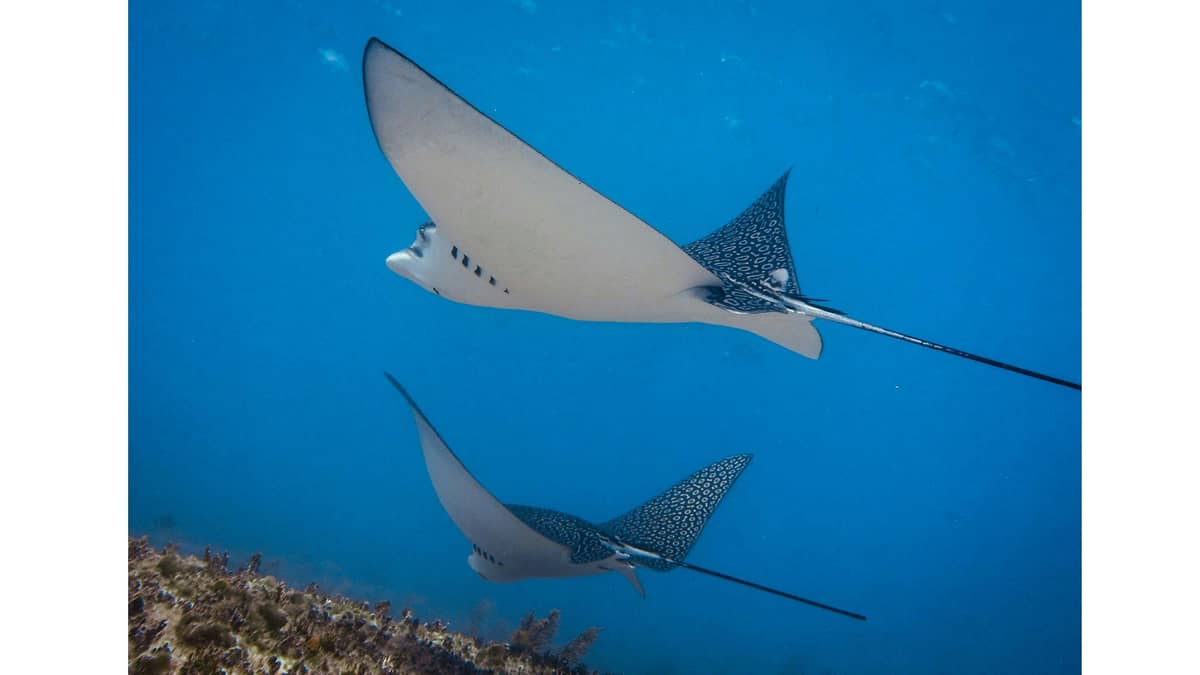
For Manta Rays and Whale Sharks
Baa Atoll resorts: Amilla Maldives, Soneva Fushi, Dusit Thani Maldives — all within dhoni distance of Hanifaru Bay. June is when the snorkelling season starts ramping up.
South Ari Atoll resorts: Sun Siyam Iru Veli, Vilamendhoo Island Resort — direct access to whale shark territory. Year-round encounters.
For Surfing
North Malé Atoll: Chaaya Island (Dhonveli) — exclusive access to Pasta Point. Adaaran Club Rannalhi — near Sultans and Jailbreaks.
Thulusdhoo Island (local island): Most affordable surf base in the Maldives — guesthouses from $50–$80/night, direct access to the famous Cokes break.
For Budget Value
Maafushi Island (South Malé Atoll): Guesthouses from $40–$80/night. June rates are particularly low. 30-minute speedboat from Malé. Multiple dive centres with competitive June packages.
Dhiffushi Island (North Malé Atoll): Quieter local island than Maafushi, known for kitesurfing in the SW monsoon winds. 45 minutes from Malé.