IND: +91 9629929970
 USA: +1 (415) 718-2654
Best & Worst Time to Visit Nepal: Complete Travel Guide by Season
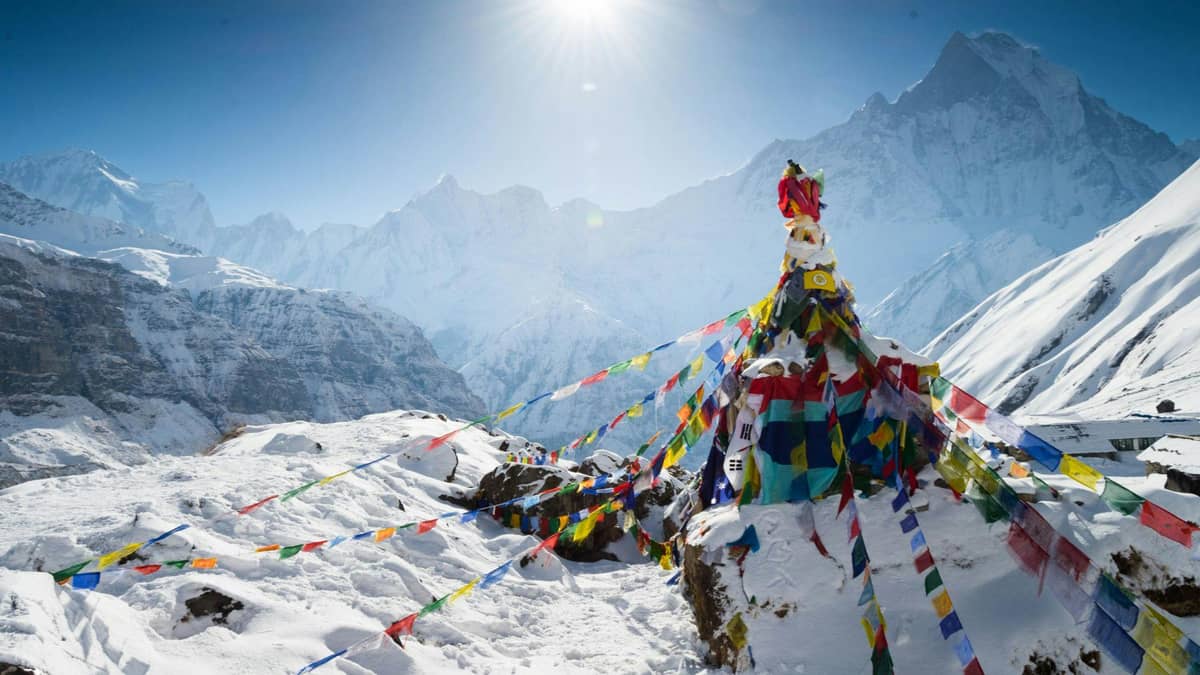
Choosing the best time to visit Nepal isn’t as simple as picking a season; it depends on what kind of experience you’re after. From the snow-capped Himalayas to the lush Terai plains, Nepal’s diverse geography means the weather can shift dramatically within a few hours’ drive. While spring and autumn are traditionally considered the best times to visit, every season offers its own charm. This guide breaks down the best and worst times to visit Nepal, helping you plan the perfect adventure—whether you’re trekking the Annapurna Circuit, exploring Kathmandu’s heritage, or soaking in Pokhara’s lakeside serenity.
Nepal at a Glance: When to Visit
- Spring (March to May): Warm days, clear skies, and blooming rhododendrons, ideal for trekking and sightseeing.
- Summer/Monsoon (June to August): Rainy and humid; lush greenery but leech-prone trails. Best for cultural exploration.
- Autumn (September to November): Crisp air, clear mountain views, and vibrant festivals, the prime season for most travelers.
- Winter (December to February): Cold in the mountains, pleasant in the lowlands, perfect for budget travelers and fewer crowds.
Month-by-Month Guide: Best Time to Visit Nepal by Month
January in Nepal: Cold Peaks, Clear Skies
Vibe: Crisp, serene, low-key, a retreat into quiet winter landscapes.
Weather: In the lowlands, daytime temps around 10-15°C, nights cold; in high altitude (above 3,500m), very cold with snow.
Crowds & Prices: Low crowds; many trails closed; hotels cheaper.
Pros: Clear views of mountains, calm cities, good deals, and easier road travel in Terai.
Cons: Very cold in the mountains, many high passes are closed, and limited trekking above certain altitudes.
Best For: Travelers seeking solitude, winter photography, low-budget trips, and off-season deals.
February in Nepal: Winter Holds On
Vibe: Cold mornings, still skies, anticipation of spring.
Weather: Slight warming from January; still cold at elevation; snowfall possible.
Crowds & Prices: Still off-peak; modest activity; quiet atmosphere.
Pros: Fewer tourists, atmospheric landscapes, festivals like Lhosar, depending onthe region.
Cons: Cold nights, limited hikes in higher regions; transport may be affected by winter conditions.
Best For: Culture lovers who don’t mind cold, spiritual or monastery visits, exploring the lower hills.
March in Nepal: Spring Awakens
Vibe: Blossoms, festivals, the land waking up.
Weather: Moderate warming; hill regions pleasant; lower snow in passes.
Crowds & Prices: Rising, especially around festivals; moderate.
Pros: Rhododendron in bloom; good visibility; accessible trekking; festival energy (Holi, New Year, etc.).
Cons: Some rain, especially toward the end of the month; higher altitudes might still have snow.
Best For: Moderate trekkers, cultural events, nature lovers.
April in Nepal: Peak Spring Beauty
Vibe: Warm, colorful, ideal for adventure.
Weather: Pleasant; daytime in hills around 20-25°C; high altitudes warming; lowlands a bit hotter.
Crowds & Prices: Higher than winter; increasing demand.
Pros: Trails fully open; flora at its best; excellent views; good cultural access.
Cons: Some haze possible; early summer heat in Terai.
Best For: Trekking, wildlife, photography, and multi-region travel.
May in Nepal: Transition to Monsoon
Vibe: Lush growth, heat building, pre-monsoon urgency.
Weather: Getting hot in lower regions; humidity climbs; rain begins in late May in some areas.
Crowds & Prices: Peak crowding in popular trekking routes; rates are high.
Pros: Beautiful landscapes; wildflowers; good treks early in the month; forest looks vibrant.
Cons: Risk of rain later; leeches; trails getting muddy; sun intensity in lowlands.
Best For: Early trekkers; nature photography; combining culture and nature.
June in Nepal: Monsoon Begins
Vibe: Rain, dramatic skies, nature in overdrive.
Weather: Heavy rainfall in most of the country; humidity is very high; some regions are dry (rain shadows).
Crowds & Prices: Drop in tourism for many areas; higher for places unaffected by rain.
Pros: Deep green scenery; fewer tourists; good rates; unique, moody landscapes.
Cons: Many trails are slippery or closed; flights and roads may be disrupted; insect-borne concerns.
Best For: Jungle/safari in regions like Chitwan; those wanting solitude; rain-shadow treks.
July in Nepal: Peak Monsoon Wetness
Vibe: Damp, lush, dramatic but challenging.
Weather: Very heavy rain in most regions; cloudy skies; landslide risk.
Crowds & Prices: Lower in popular trekking zones; some places shut; local tourism still active.
Pros: Very green landscapes; rivers, waterfalls in full flow; cultural events in some areas.
Cons: Disrupted plans; risk in trails; visibility poor; accommodation options limited in remote zones.
Best For: Experienced travelers; those interested in off-beat, monsoon-adapted journeys; exploring cultural festivals.
August in Nepal: Humid and Rainy
Vibe: Muggy, wet, introspective.
Weather: Heavy rain continues; rare clear views; heat + humidity in lower regions.
Crowds & Prices: Still low in trekking areas; rain-shadow zones see more interest.
Pros: Dramatic, lush greens; fewer crowds in many places; photography during clear breaks.
Cons: Flood risk; leeches; path erosion; unpredictable weather.
Best For: Those willing to accept risk; nature lovers; exploring less-visited regions.
September in Nepal: Autumn Arrives
Vibe: Crisp, colorful, festival-rich.
Weather: Rain tapering; skies clearing; conditions improving, especially mid-September onward.
Crowds & Prices: Climbing again; this is one of the top seasons for tourism.
Pros: Excellent trekking conditions; great visibility; cultural festivals like Indra Jatra, Dashain.
Cons: Early in the month still residual rain; popular trails are busy; lodging prices rise.
Best For: Trekkers, culture lovers, photographers,and general sightseers.
October in Nepal: Prime Time for All Travelers
Vibe: Clear, warm days, cool nights, perfect for adventure & culture.
Weather: Stable; daytime temperatures; nights cooler in hills and mountains.
Crowds & Prices: High demand; some premium pricing.
Pros: Best visibility; ideal for hiking; many festivals; picture-perfect landscapes.
Cons: Booking needed well in advance; higher costs; busy trails.
Best For: First-timers, trekkers, photographers, festival-seekers.
November in Nepal: After the Autumn Peak
Vibe: Quiet beauty, comfortable, contemplative.
Weather: Dry and cool; mountain views excellent; lowlands pleasantly mild.
Crowds & Prices: Fading from peak but still steady; better deals begin.
Pros: Crisp light, fewer tourists, great trekking; ideal for culture and city exploration.
Cons: Nights chilly; high altitude regions can get cold; some services begin closing.
Best For: Slow-paced travel, photographers, and those wanting a mix of comfort and adventure.
December in Nepal: Winter Sets In
Vibe: Cold, classic Himalayas, fewer crowds.
Weather: Lowlands cold; high mountains very cold; snow on many peaks.
Crowds & Prices: Low in many areas; ski resorts and winter lodges see some activity.
Pros: Stunning mountain panoramas; cheaper stays; tranquility.
Cons: Many high passes are closed; travel in the mountains may be harder; cold conditions.
Best For: Winter adventurers, photographers, cultural trips in lower regions, and off-season travel.
More About the Ideal Time to Visit Nepal
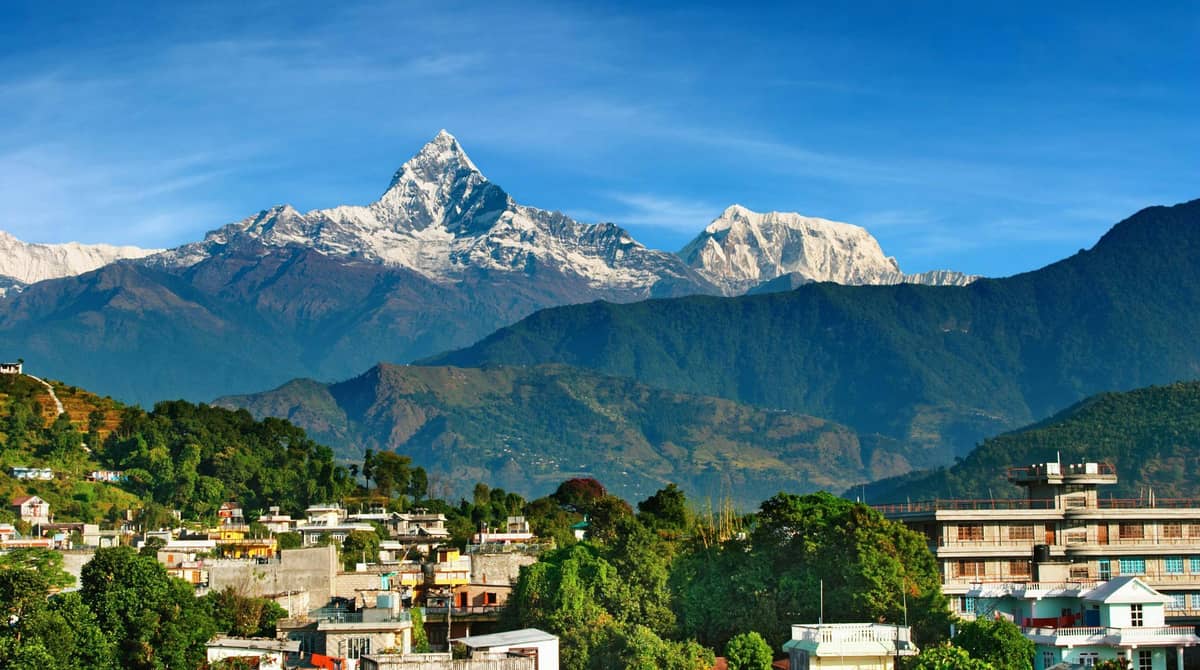
While Nepal is a year-round destination, June to August (the monsoon season) is generally considered the worst time to visit for most travelers. Heavy rainfall, landslides, and muddy trails can make travel challenging, especially in mountainous and rural areas.
Why It’s Less Ideal:
- Rainfall: Intense and frequent showers cause slippery trekking routes and cloud-covered mountain views.
- Visibility: The Himalayas are often hidden by mist and clouds, making it a poor season for photography or scenic flights.
- Transportation Disruptions: Landslides occasionally block roads, particularly in hilly regions like Pokhara and Langtang.
- Leeches: Trekkers often encounter leeches on jungle trails due to damp conditions.
However, if you’re a cultural traveler or photographer interested in rural life, this season can still offer lush green landscapes and fewer tourists. The monsoon also coincides with fascinating festivals like Ropai Jatra (Rice Planting Festival), giving a glimpse into Nepal’s agricultural traditions.
Verdict:
Avoid trekking-heavy itineraries during the monsoon, but it’s still a good time for cultural and lowland experiences.
Strategic Recommendations by Traveler Type
For First-Time Visitors:
Aim for October or April–May. These seasons offer stable weather, lush scenery (spring) or brilliant autumn light, and full access to popular routes like the Annapurna Circuit and Kathmandu Valley without extreme cold or heavy rain.
For Budget Travelers:
Travel December to February (except very high altitudes) or late November. Prices drop significantly in off-peak seasons; many lodges and services offer discounts.
For Families:
May, September, and October are ideal. Temperatures are comfortable for children; outdoor activities like wildlife safaris in Terai, short hikes, and cultural visits are more accessible and safer.
For Adventure & Hiking Enthusiasts:
Spring (March-May) and autumn (September-November) are the premier seasons for trekking. Trails are open, views are clear, and weather conditions more predictable. Winter trekking is possible but limited and cold.
For Culture & Festival Lovers:
Visit during major festivals: Dashain (late September/October), Tihar (October/November), Lhosar (winter), Holi and Buddha Jayanti (spring). These times deliver rich cultural experiences alongside travel.
Conclusion
Nepal is a country that truly has a season for every traveler. Whether you’re drawn to the crisp mountain air of autumn, the colorful blooms of spring, or the peaceful calm of winter, there’s never really a bad time to experience its magic, just a different side of it.
If you’re ready to explore, start with a deep dive into Nepal Tourism to get inspired. Discover must-see spots in our Places to Visit in Nepal guide and check out unique Things to Do in Nepal to plan your perfect itinerary.
And when it’s time to bring your adventure to life, browse our exclusive Nepal Tour Packages designed by Travelfika for every traveler type, from mountain dreamers to culture lovers.
Whichever season you choose, Nepal will greet you with open arms, breathtaking views, and moments that stay with you long after your trip ends.