IND: +91 9629929970
 USA: +1 (415) 718-2654
Best Time to Visit Osaka: Weather, Seasons & Travel Guide
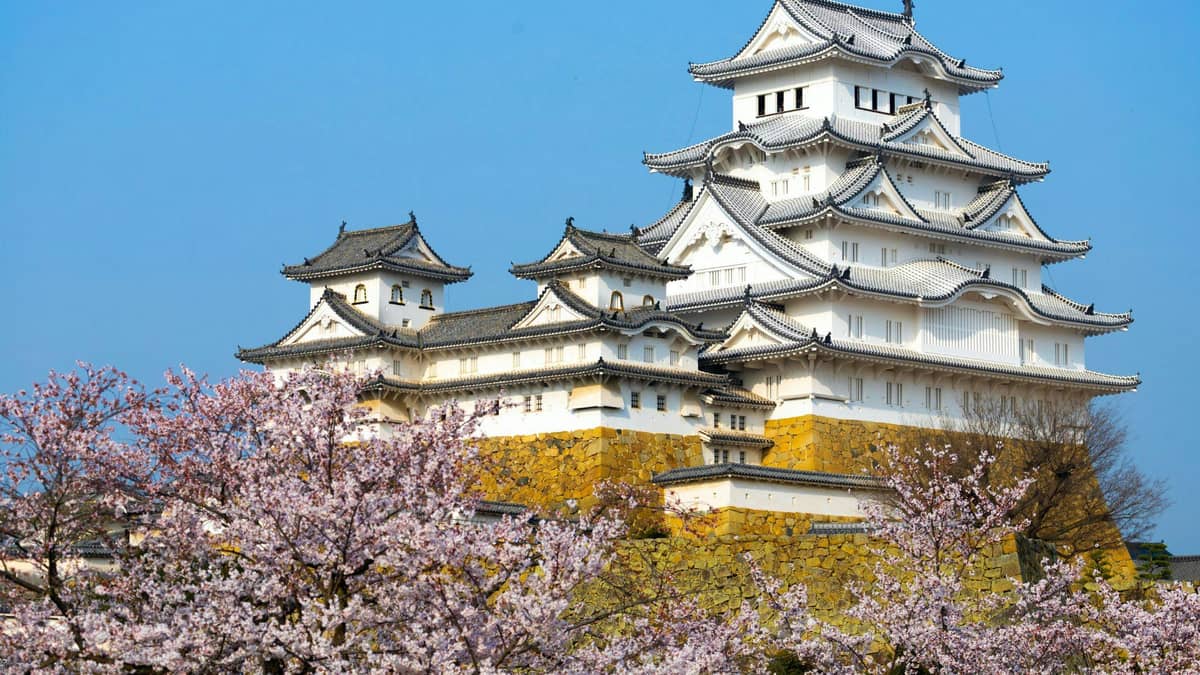
Osaka, Japan's bustling kitchen and vibrant commercial heart, is a city of irresistible energy, legendary street food, and warm, friendly locals. From the neon-lit spectacle of Dotonbori and the majestic Osaka Castle to the thrilling rides at Universal Studios Japan, the city offers an unforgettable urban adventure. Osaka experiences four distinct seasons, each transforming the city's atmosphere, cuisine, and scenery. There's no single "best" time to visit Osaka, the ideal period depends on whether you dream of cherry blossom viewings, vibrant summer festivals, stunning autumn colors, or crisp winter illuminations.
Whether you're here to devour takoyaki from a street stall, shop till you drop in Shinsaibashi, explore historic temples, or experience world-class entertainment, this guide will help you plan your perfect trip based on weather, crowds, and seasonal highlights.
Osaka’s Seasons at a Glance
Osaka has a humid subtropical climate with four very distinct seasons, each offering a unique lens through which to experience the city. The most pleasant seasons for weather are spring and autumn.
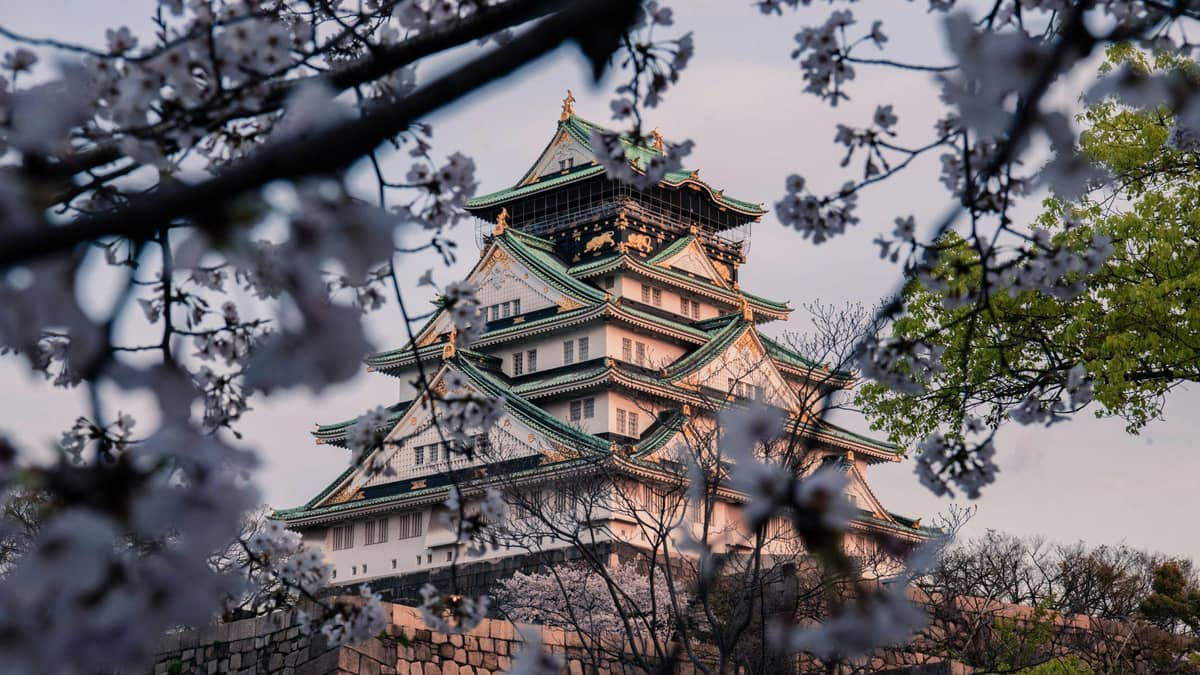
- Spring (March - May): A season of renewal and beauty. Mild temperatures and the city is awash with the soft pink blooms of cherry blossoms (sakura). Ideal for park picnics and outdoor sightseeing.
- Summer (June - August): Hot, humid, and rainy. The season starts with the rainy Tsuyu (plum rains) and transitions into a vibrant, festival-filled period of intense heat and energy.
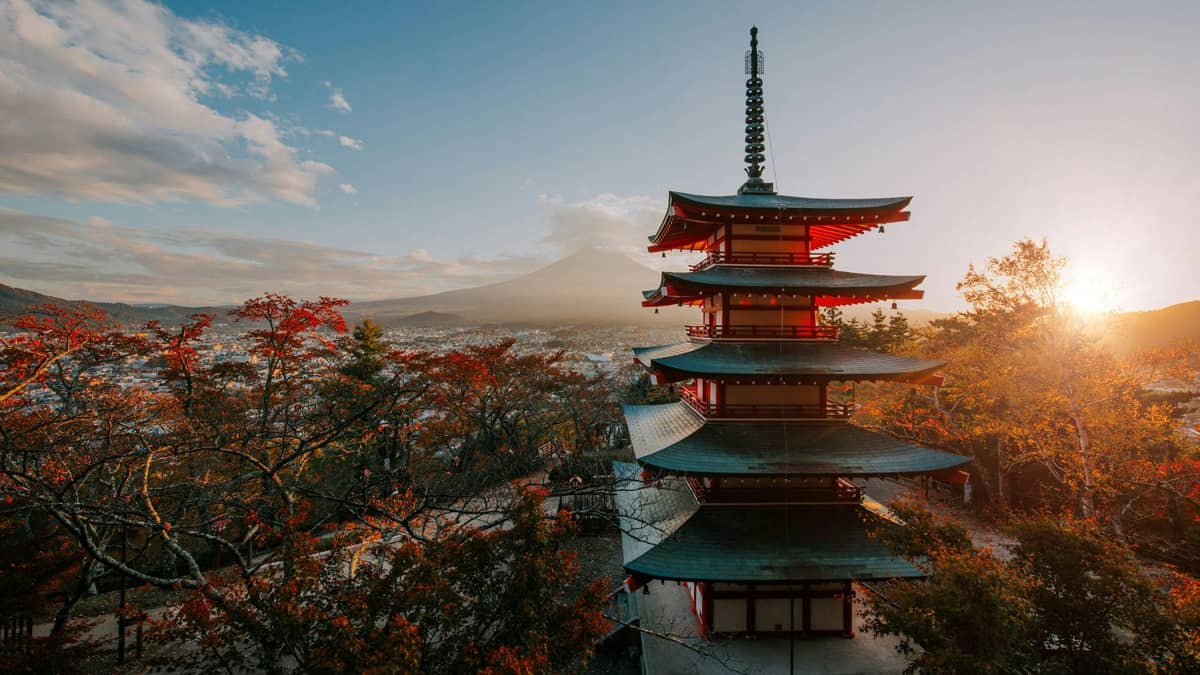
- Autumn (October - November): Crisp, cool, and incredibly picturesque. Comfortable temperatures and stunning koyo (autumn foliage) paint the parks and gardens in hues of red and gold. Perfect for outdoor exploration.
- Winter (December - February): Cold but generally mild, with mostly dry and sunny days. The city sparkles with festive illuminations, and it's a great time for culinary adventures and crowd-free sightseeing.
For most travelers, the best time to visit Osaka is during the shoulder seasons of spring (late March to April) and autumn (October to November), when the weather is most comfortable and the scenery is at its peak.
Month-by-Month Guide: Best Time to Visit Osaka
Osaka in January
- Vibe: Calm, crisp, and festive.
- Weather: 2 - 9°C, cold and dry with occasional rain; little to no snow.
- Crowds & Prices: Low (after New Year); one of the cheapest times to visit.
- Pros: New Year sales (fukubukuro), winter illuminations continue, cozy dining on hotpot (nabe).
- Cons: Can be chilly, with shorter daylight hours. Some businesses close for the New Year holiday.
- Best For: Budget travelers, foodies, and shoppers hunting for deals.
Osaka in February
- Vibe: Cold, romantic, and cultural.
- Weather: 2 - 10°C, similar to January, but the cold begins to soften slightly.
- Crowds & Prices: Low to moderate.
- Pros: Plum blossom viewing at the end of the month, Setsubun festival, affordable travel.
- Cons: Still quite cold, not ideal for prolonged outdoor activities.
- Best For: Couples, culture enthusiasts, and travelers seeking a quiet experience.
Osaka in March
- Vibe: Transitional, hopeful, and windy.
- Weather: 5 - 14°C, temperatures slowly rise, but evenings remain cool.
- Crowds & Prices: Moderate; climbs towards the end of the month for sakura.
- Pros: Early cherry blossoms can appear late March, fewer crowds before peak season.
- Cons: Weather can be unpredictable. The tail end of winter can feel brisk.
- Best For: Budget-savvy travelers hoping to catch early blooms.
Osaka in April
- Vibe: Energetic, beautiful, and sublime.
- Weather: 10 - 19°C, mild and generally pleasant.
- Crowds & Prices: Very High; peak cherry blossom season and Golden Week.
- Pros: Peak cherry blossoms at Osaka Castle Park and Kema Sakuranomiya Park, perfect weather.
- Cons: Extremely crowded, prices for accommodation are at a premium, requires booking far in advance.
- Best For: First-time visitors, photographers, and nature lovers.
Osaka in May
- Vibe: Warm, festive, and green.
- Weather: 15 - 24°C, warm and very comfortable before the summer humidity.
- Crowds & Prices: High during Golden Week (early May); moderate afterwards.
- Pros: Lush green scenery, beautiful weather for sightseeing, several public holidays.
- Cons: Golden Week is one of Japan's busiest travel periods; best avoided if possible.
- Best For: Garden visits, outdoor exploration, and city walks.
Osaka in June
- Vibe: Humid, rainy, and lush.
- Weather: 19 - 27°C, the start of the hot, humid, and rainy Tsuyu (plum rain) season.
- Crowds & Prices: Low; a shoulder season.
- Pros: Hydrangea blooms are beautiful, low tourist crowds, lower prices.
- Cons: High humidity and frequent rainfall can put a damper on outdoor plans.
- Best For: Budget travelers, indoor activities, and photographers seeking moody scenes.
Osaka in July
- Vibe: Hot, wet, and energetic.
- Weather: 23 - 31°C, the end of Tsuyu and the beginning of intense summer heat and humidity.
- Crowds & Prices: Moderate; rises towards the end of the month for Tenjin Matsuri.
- Pros: World-famous Tenjin Matsuri festival on July 24-25, vibrant summer energy.
- Cons: Oppressively hot and humid. Not ideal for those sensitive to heat.
- Best For: Festival enthusiasts and experiencing Osaka's vibrant summer culture.
Osaka in August
- Vibe: Sultry, fiery, and patriotic.
- Weather: 24 - 33°C, peak summer heat and humidity.
- Crowds & Prices: High domestically due to Obon holidays.
- Pros: Spectacular fireworks displays and summer festivals, lively street life in the evenings.
- Cons: The hottest and most uncomfortable month. Travel can be busy during Obon.
- Best For: Experiencing Japanese summer festivals and firework displays.
Osaka in September
- Vibe: Transitional, warm, and unpredictable.
- Weather: 20 - 29°C, heat and humidity begin to decrease, but typhoon risk remains.
- Crowds & Prices: Low to moderate.
- Pros: Crowds thin out, prices are reasonable, weather becomes more manageable.
- Cons: Typhoon season can disrupt travel plans with heavy rain and wind.
- Best For: Travelers with flexible plans seeking a balance of good weather and lower costs.
Osaka in October
- Vibe: Relief, mild, and picturesque.
- Weather: 14 - 23°C, pleasant, cool, and mostly dry.
- Crowds & Prices: High; peak autumn foliage season.
- Pros: Ideal sightseeing weather, beautiful autumn colors start appearing, many cultural events.
- Cons: Airfare and hotels can be expensive due to high demand.
- Best For: All types of travelers; a perfect month for sightseeing and photography.
Osaka in November
- Vibe: Crisp, colorful, and romantic.
- Weather: 8 - 17°C, cool and crisp, perfect for exploration.
- Crowds & Prices: Moderate to High; foliage peaks.
- Pros: Stunning koyo (autumn foliage) at Minoo Park and Osaka Castle, delicious seasonal food.
- Cons: Can be quite chilly, especially in the evenings.
- Best For: Hikers, photographers, couples, and foodies.
Osaka in December
- Vibe: Festive, cold, and sparkling.
- Weather: 4 - 12°C, cold but generally dry and sunny.
- Crowds & Prices: Moderate; peaks around Christmas and New Year.
- Pros: Spectacular winter illuminations (e.g., Midosuji Boulevard), festive markets, end-of-year sales.
- Cons: Gets very busy towards the New Year as people travel to their hometowns.
- Best For: Families, couples, and shoppers enjoying the festive atmosphere.
Worst Time to Visit Osaka
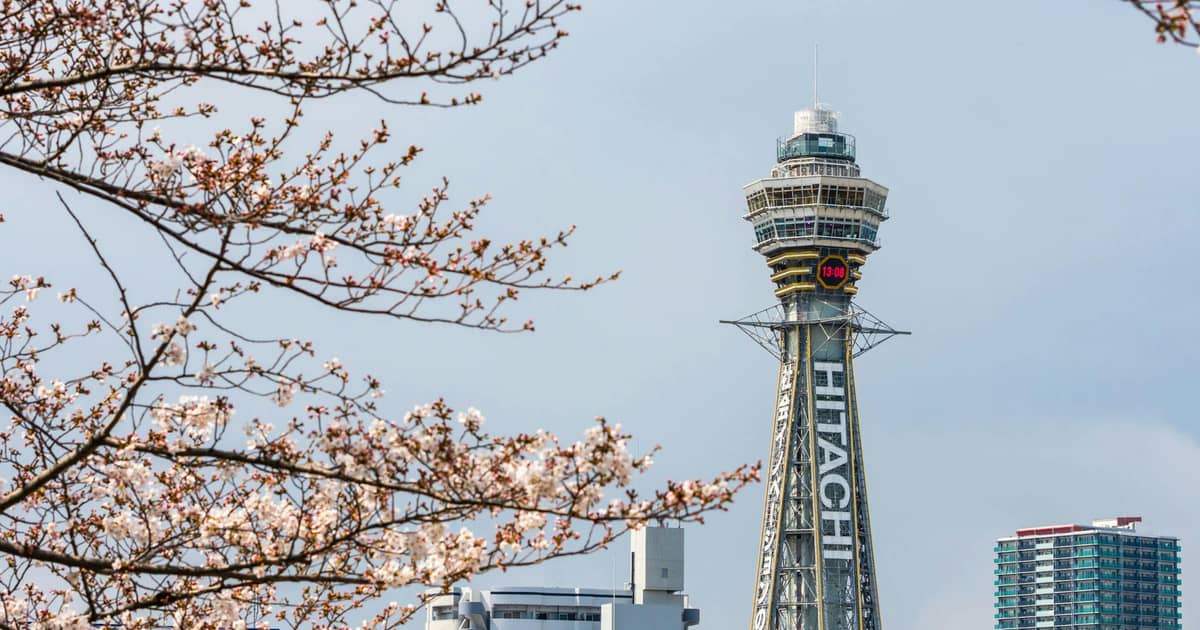
Worst Time for Weather: Late June & August
Late June is in the heart of the Tsuyu (rainy season), characterized by overcast skies, high humidity, and persistent rainfall that can last for days. August brings the most intense heat and humidity of the year, which can be oppressive and exhausting for sightseeing, especially for those unaccustomed to such conditions. The threat of typhoons also peaks in late summer.
Worst Time for Crowds and Prices: Golden Week (Late April/Early May) & Obon (Mid-August)
These are Japan's busiest national holiday periods. During Golden Week and Obon, virtually the entire country is on the move. Transportation is packed, hotels are fully booked and expensive, and popular attractions are unbearably crowded. It is highly advisable to avoid planning a trip during these specific weeks if you dislike crowds and high prices.
Travel Tip:
For the best overall experience, aim for the windows of late April (after cherry blossoms but before Golden Week) or late November (after peak foliage), to enjoy lovely weather with relatively thinner crowds.
Seasonal Festivals & Cultural Events in Osaka
Which Season is Best for Your Osaka Travel?
For First-Time Visitors
- Best Time: April (post-Golden Week) & October-November
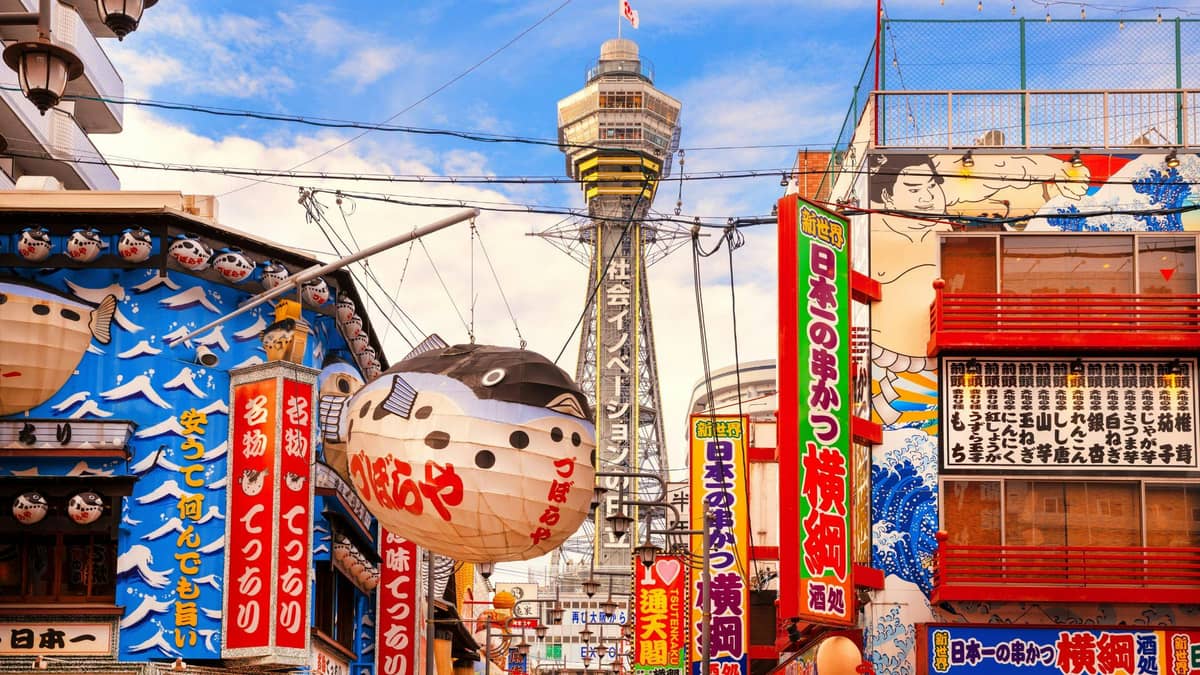
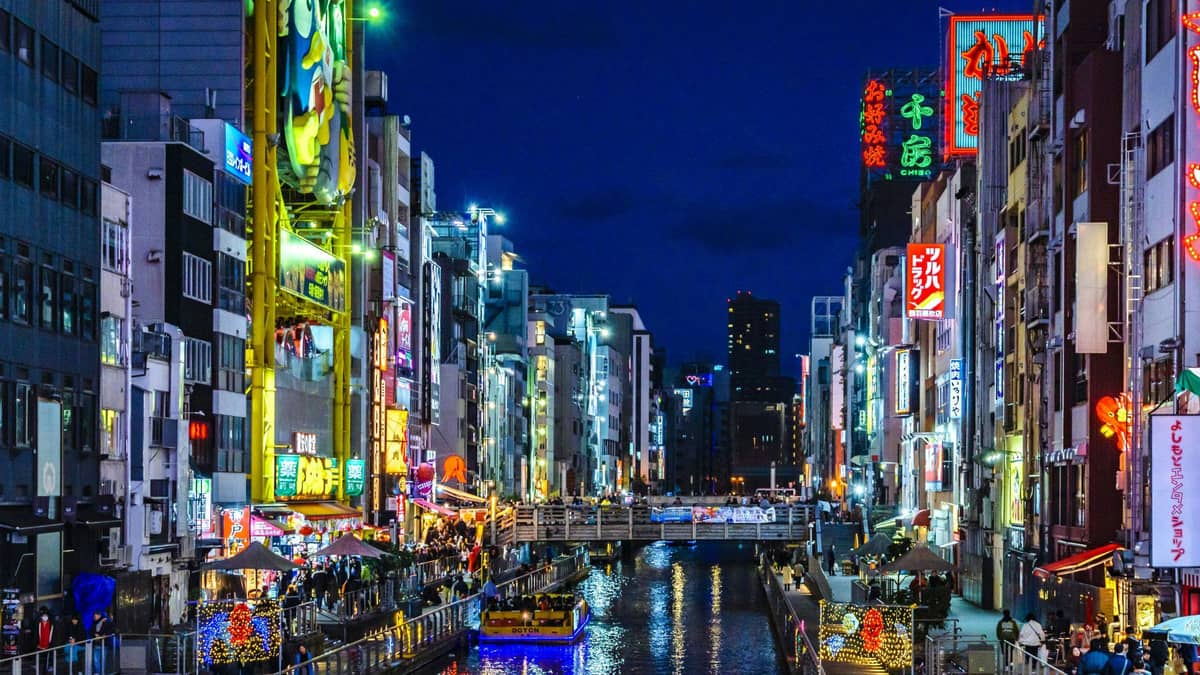
- Why It’s Ideal: You'll experience Osaka with perfect weather for exploring Dotonbori, Osaka Castle, and Shinsekai. The city is at its most visually stunning, either with cherry blossoms or autumn foliage, ensuring beautiful photos and comfortable exploration.
For Budget Travelers
- Best Time: January-February & June-September
- Why It’s Ideal: These are the off-peak and shoulder seasons (excluding holidays). You'll find the lowest prices on flights and accommodation. While you'll face colder weather or summer rains, Osaka's incredible food and indoor attractions provide plenty of entertainment.
For Families
- Best Time: May & October
- Why It’s Ideal: The warm but not overpowering weather is comfortable for children to enjoy Universal Studios Japan, Osaka Aquarium Kaiyukan, and expansive parks. You'll avoid the extreme crowds and humidity of peak summer and the cold of winter.
For Foodies & Culture Lovers
- Best Time: Year-Round, but best in Summer & Winter
- Why It’s Ideal: Summer offers the incredible spectacle of Tenjin Matsuri and vibrant street food. Winter is perfect for cozying up in a tiny restaurant for hotpot (nabe) and ramen. Each season offers unique seasonal delicacies (shun) to discover.
For Photographers
- Best Time: April & November
- Why It’s Ideal: Capture Osaka at its most beautiful. April provides the soft pink palette of cherry blossoms against historic castles, while November offers the fiery reds and golds of autumn foliage in the city's parks and gardens.
What to Pack for Osaka (Season-Wise)
Spring (March-May):
- Layers: T-shirts, long-sleeves, a light sweater, and a jacket.
- Comfortable walking shoes.
- A compact umbrella for spring showers.
- A light scarf for cooler evenings.
Summer (June-August):
- Lightweight, breathable clothing (cotton, linen).
- Strong sunscreen, a hat, and sunglasses.
- A high-quality umbrella and a portable fan.
- Quick-dry clothes and extra socks.
- Mosquito repellent.
Autumn (October-November):
- Layers: T-shirts, long-sleeves, cardigans, and a warm jacket or coat.
- Comfortable closed-toe shoes or boots.
- A beanie and gloves for late autumn.
Winter (December-February):
- Thermal underwear (essential).
- A warm coat, wool sweaters, scarves, gloves, and a warm hat.
- Insulated, waterproof boots.
Tip: Pack slip-on shoes, as you will need to remove them when entering temples, traditional restaurants, and some homes.
Final Thoughts
Osaka welcomes travelers year-round with its irresistible energy, legendary street food, and warm, friendly atmosphere. Each season paints a different picture from the delicate pink cherry blossoms of spring and vibrant green summers to the fiery red autumn foliage and crisp, illuminated winters.
Whether you’re drawn to culinary adventures in Dotonbori, history at Osaka Castle, world-class shopping, or thrilling theme parks, there’s no wrong time to explore this captivating city.
If you’re planning your trip, explore Japan Tourism for inspiration, discover Top Places to Visit in Osaka, and check out Things to Do in Osaka for the best attractions.
When ready, browse Osaka Tour Packages for tailored itineraries, cultural experiences, and seamless travel planning.
Each season offers something unique find your ideal moment and let Travelfika guide you through Osaka at its most dynamic.
FAQ's
Check Out the Ultimate Japan, Tokyo & Osaka Travel Guides
Complete Japan Travel Guide for First-Time Visitors
Best Time to Visit Japan for Every Season
Top Places to Visit in Japan You Must Explore
Best Things to Do in Japan for an Unforgettable Experience
Best Things to Do in Osaka for Food, Fun & Culture
Top Places to Visit in Osaka You Shouldn’t Miss
Best Time to Visit Osaka for the Perfect Trip
Top Places to Visit in Tokyo for First-Time Travelers