IND: +91 9629929970
 USA: +1 (415) 718-2654
Best Time to Visit the Philippines: Ultimate Season & Island Guide
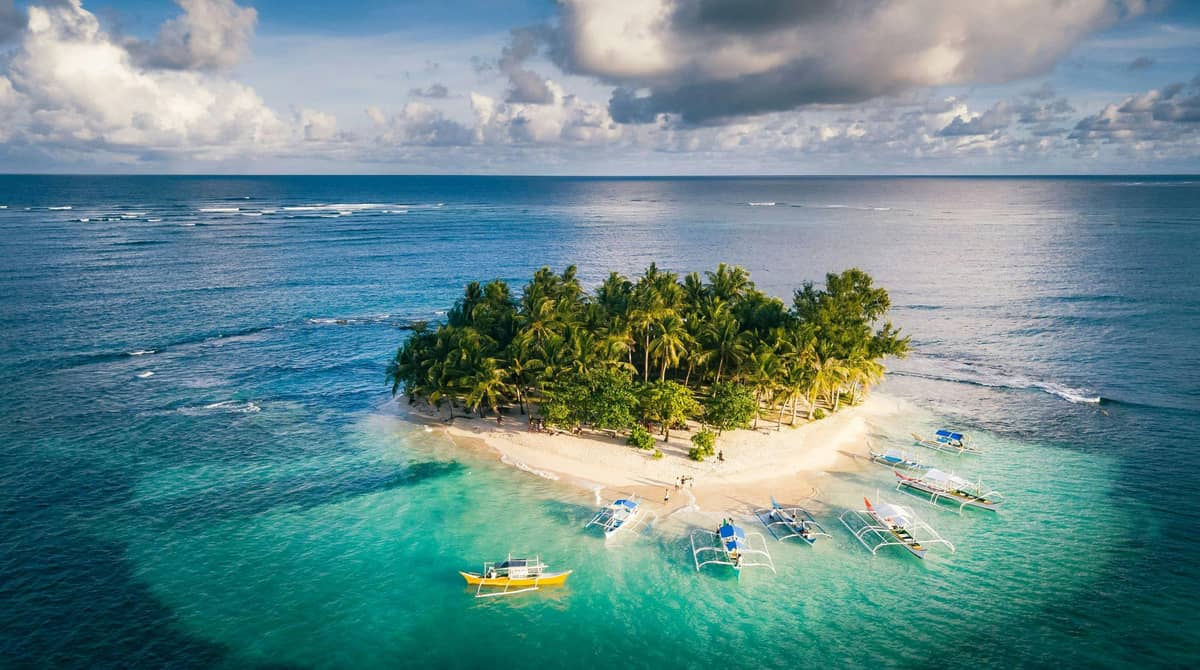
The Philippines, a tropical paradise of over 7,000 islands, is blessed with sun-kissed beaches, lush rainforests, and rich cultural traditions. But with such a vast archipelago spread across different weather zones, planning the perfect time to visit can be tricky. From Palawan’s pristine lagoons to Siargao’s surfing waves, each island tells its own seasonal story.
Understanding the country’s unique dry and wet seasons can make or break your travel experience. Whether you’re chasing golden sunsets on Boracay, trekking the Banaue Rice Terraces, or joining Cebu’s vibrant festivals, this guide breaks down the ideal travel months, weather patterns, and regional highlights, so you can plan your dream Philippines adventure with confidence.
Philippines Weather and Travel Seasons at a Glance
The Philippines enjoys a tropical maritime climate, meaning it’s warm and humid year-round, but timing your trip wisely makes all the difference. The year is broadly divided into two major seasons:
- Dry Season (Tag-init) – November to May: Perfect for island-hopping, beach holidays, and outdoor adventures. Expect plenty of sunshine and calm seas.
- Wet Season (Tag-ulan) – June to October: Characterized by frequent rains and occasional typhoons, but still great for budget travelers and lush scenery.
- Shoulder Months – November-December and May-June offer a good balance, fewer crowds and moderate weather conditions.
Each region in the Philippines has its own weather rhythm:
- Luzon (Manila, Palawan, Baguio) – Best from November to April, but expect heavy rains from July to September.
- Visayas (Cebu, Boracay, Bohol) – Enjoys sunny weather from December to May; slightly wetter on the eastern side.
- Mindanao (Siargao, Davao) – Warm and less affected by typhoons, best from March to September.
In short, December to May is the sweet spot for most travelers, think blue skies, calm waters, and plenty of sunshine. However, off-season months can reward you with fewer tourists, lower prices, and a more authentic island experience.
Month-by-Month Weather in the Philippines
Philippines in January
January marks the height of the dry season, sunny skies, cool breezes, and near-perfect travel conditions.
Temperature: 22°C to 30°C
Rainfall: Low (30–80mm)
Luzon and Visayas are at their best, offering crystal-clear waters and excellent visibility for diving and snorkeling.
Best for: Beach holidays, island hopping, cultural festivals.
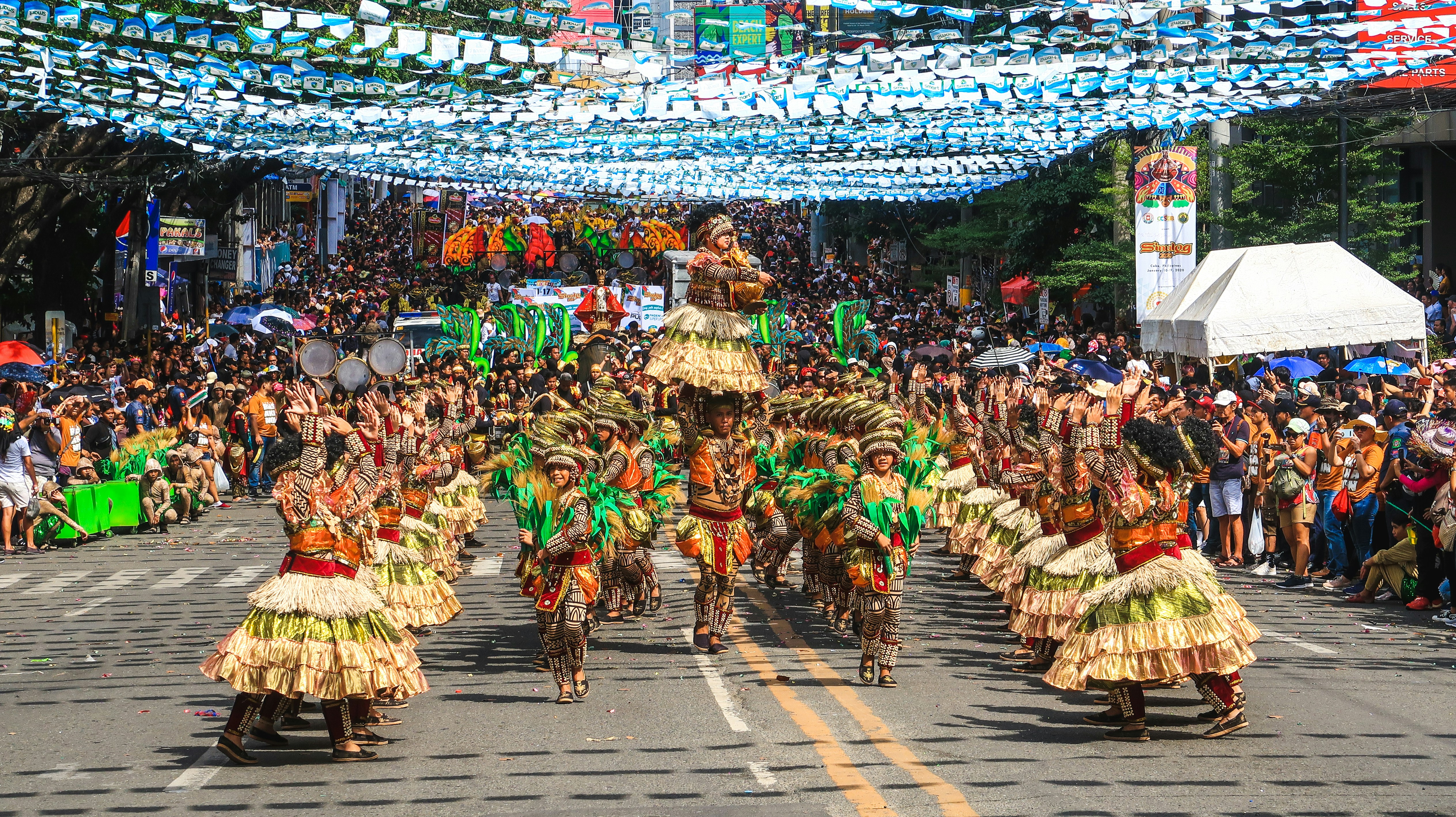
Don’t Miss: The vibrant Sinulog Festival in Cebu and Ati-Atihan in Kalibo bring the streets alive with color and music.
Travel Tip: Book flights and hotels early; this is peak tourist season with higher prices.
Philippines in February
February continues the dry season with warm, sunny weather ideal for outdoor adventures.
Temperature: 23°C to 31°C
Rainfall: Minimal (20–60mm)
Perfect for beach escapes, diving, and photography thanks to clear skies and calm seas.
Best for: Romantic getaways, mountain treks, and cultural explorations.
Travel Tip: Expect high demand around Valentine’s week, early bookings secure better deals.
Philippines in March
March transitions into warmer days and rising humidity, signaling the tail end of the peak season.
Temperature: 24°C to 32°C
Rainfall: Low (30–70mm)
It’s a fantastic month for water sports and coastal travel. Head to Oslob for whale shark encounters or explore the beaches of Palawan and Bohol.
Best for: Adventure travelers, diving, and festivals.
Don’t Miss: The Moriones Festival in Marinduque during Holy Week is a cultural spectacle worth experiencing.
Philippines in April
April is the hottest month of the year, perfect for water-based activities.
Temperature: 25°C to 34°C
Rainfall: Low to moderate (40–90mm)
The beaches are vibrant, and the sea is calm — ideal for swimming and diving. However, midday heat can be intense, so plan activities early morning or late afternoon.
Best for: Family trips, island hopping, and resort stays.
Travel Tip: Keep sunscreen and hydration handy; heat exhaustion can hit quickly.
Philippines in May
May bridges the dry and wet seasons — hot days and occasional short rain showers.
Temperature: 26°C to 33°C
Rainfall: Moderate (80–150mm)
This is your last call for dry weather before the rains set in. Western islands like Palawan remain stunning, while eastern areas start to get wetter.
Best for: Budget-friendly travel with fewer crowds.
Cultural Highlight: The Flores de Mayo and Santacruzan festivals showcase Filipino Catholic traditions in colorful processions.
Philippines in June
June ushers in the start of the rainy season, bringing lush greenery and fewer tourists.
Temperature: 25°C to 32°C
Rainfall: High (150–250mm)
While rains can be heavy in Luzon and Visayas, it’s a beautiful time for nature photography and budget travel.
Best for: Eco-tourism, hot springs, and scenic drives.
Travel Tip: Keep flexible plans; afternoon rain showers are common.
Philippines in July
July is deep into the wet season, expect daily downpours, high humidity, and occasional typhoons.
Temperature: 24°C to 31°C
Rainfall: Very high (200–300mm)
Urban exploration in Manila and indoor attractions in Cebu make for great alternatives. Eastern Mindanao remains relatively dry.
Best for: Cultural tours, spa retreats, and slow travel.
Travel Tip: Carry a waterproof bag and monitor weather forecasts closely.
Philippines in August
August is peak monsoon season, with widespread rainfall and rough sea conditions in some regions.
Temperature: 24°C to 30°C
Rainfall: Highest (250–350mm)
Travel disruptions are possible, but it’s also when prices hit their lowest.
Best for: Culinary tours, city getaways, and photography.
Special Tip: Surfers can enjoy excellent waves in Siargao and La Union during this time.
Philippines in September
September continues the rainy trend but hints at transition in certain areas.
Temperature: 24°C to 30°C
Rainfall: High (200–300mm)
While outdoor plans might get affected, surfers can enjoy world-class swells in Siargao.
Best for: Surfing, cultural immersion, and offbeat exploration.
Festivals: Don’t miss the Peñafrancia Festival in Naga City, a beloved religious celebration.
Philippines in October
October signals the end of the monsoon, skies clear up and humidity drops.
Temperature: 24°C to 31°C
Rainfall: Moderate (150–250mm)
Tourism picks up again as beaches become more inviting.
Best for: Shoulder-season travel, nature trips, and photography.
Festivals: The MassKara Festival in Bacolod is one of the liveliest events in the country.
Philippines in November
November welcomes the start of the dry season once again, marking one of the best months to visit.
Temperature: 23°C to 31°C
Rainfall: Moderate (100–200mm)
It’s the ideal mix of pleasant weather, manageable crowds, and great visibility for diving and sightseeing.
Best for: All types of travel — from couples to families.
Travel Tip: Prices are reasonable before the December rush.
Philippines in December
December brings festive vibes, cooler air, and near-perfect travel conditions across most islands.
Temperature: 22°C to 30°C
Rainfall: Low to moderate (80–150mm)
From Christmas parades in Manila to beach parties in Boracay, the Philippines turns magical this time of year.
Best for: Holiday vacations, family trips, and cultural celebrations.
Festivals: The Giant Lantern Festival in San Fernando is a dazzling seasonal highlight.
Travel Tip: Book hotels and flights early as domestic travel peaks during the holidays.
More About Visiting the Philippines
When Is the Worst Time to Visit the Philippines?
While the Philippines offers tropical charm all year long, some months bring challenging weather and travel conditions. The worst time to visit the Philippines is typically from July to September, when the rainy and typhoon season peaks.
Primary Concerns:
- Typhoon Risk: This period sees the highest frequency of tropical storms, especially across the Luzon and Visayas regions.
- Heavy Rainfall: Daily downpours can last for hours, disrupting outdoor plans and transportation.
- Flooding: Urban hubs like Manila often experience severe flooding, making mobility difficult.
- Transport Disruptions: Flights and ferry services face frequent cancellations due to stormy seas.
- Limited Activities: Water sports, island hopping, and other beach activities are often suspended for safety.
Region-Wise Worst Time to Visit the Philippines:
- Luzon & Visayas: July to September for general tourism.
- Palawan: June to October — beaches and island tours are heavily impacted.
- Boracay: June to October — expect strong monsoon winds and rain.
- Manila & Urban Areas: August to September — urban flooding and humidity can be intense.
Exceptions & Silver Linings:
- Surfers: July to November brings the best waves in Siargao and other surf spots.
- Budget Travelers: Expect major discounts on hotels and flights during the rainy season.
- Photographers: Dramatic skies and lush green landscapes make for stunning post-rain photos.
If you’re flexible and prepared, this season can still reveal a quieter, more authentic side of the Philippines.
FAQ's
Best Time to Visit the Philippines Based on Travel Interest
For Beach Lovers & Sun Seekers
Best Time: Late November to Early May
Top Spots: Boracay, Palawan (El Nido, Coron), Bohol (Panglao)
The dry season is the ultimate beach escape, calm seas, crystal-clear waters, and daily golden sunsets. It’s perfect for swimming, snorkeling, and island hopping.
Travel Tip: Many travelers also enjoy unwinding after a day in the sun with simple beachside downtime, sometimes bringing small personal items like a mini bong for relaxed evenings in private accommodations.
For Divers & Marine Enthusiasts
Best Time: March to June
Top Dive Sites: Tubbataha Reef, Apo Reef, Malapascua, Anilao
These months bring calm seas, excellent visibility, and diverse marine life. Dive with whale sharks in Donsol (Nov–June) or spot thresher sharks in Malapascua year-round.
Note: Avoid the typhoon months (July–October) for northern dive sites.
For Surfers & Wave Chasers
Best Time: July to November
Top Surf Spots: Siargao (Cloud 9), Baler, La Union
This is surf season at its best — consistent swells, offshore winds, and international competitions in Siargao during September.
Beginner Tip: April to June offers gentler waves, ideal for first-timers.
For Cultural & Festival Explorers
Best Time: January to May
Top Festivals: Sinulog (Cebu), Ati-Atihan (Kalibo), Flores de Mayo, MassKara (Bacolod)
Dive into the Philippines’ colorful traditions and celebrations. Expect lively parades, music, and food festivals throughout the dry months.
Pro Tip: Book accommodations 3–6 months early for major festivals.
For Budget Travelers & Solo Explorers
Best Time: June to October
Why Go: Fewer tourists, lush scenery, and 30–50% lower prices
Though it’s the rainy season, you’ll find more authentic experiences and easier bargaining.
Travel Hack: Focus on eastern islands like Siargao and Samar, which stay relatively dry.
For Hikers & Nature Lovers
Best Time: November to February
Top Trails: Banaue Rice Terraces, Mount Pulag, Chocolate Hills
Enjoy cool temperatures, clear views, and dry trails in the Cordilleras.
Bonus: The rice terraces are lush green between June–October and golden from March–April.
For Family Vacations
Best Time: November to February
Top Spots: Boracay, Cebu, Manila (with nearby island trips)
These months bring pleasant weather, calm seas, and festive holiday vibes.
Tip: Book early for the Christmas and summer school holidays.
For Honeymooners & Romantic Getaways
Best Time: November to April
Romantic Spots: Amanpulo, El Nido, Boracay
Picture-perfect sunsets, candlelight dinners by the sea, and flawless beach weather — ideal for newlyweds.
Bonus: February offers dreamy weather and Valentine’s festivities.
For Photography Enthusiasts
Best Time:
- Landscapes: June–October (lush greens & dramatic skies)
- Cultural Shots: November–February (festivals & soft light)
- Underwater: March–June (clear visibility)
No matter the season, golden hours in the Philippines never disappoint.
For Food Lovers & Culinary Travelers
Best Time: October to February
Top Food Cities: Pampanga, Manila, Iloilo, Cebu
Cool weather and festive markets make this a foodie paradise. Try local specialties, join Christmas feasts, or visit Pampanga’s famous food festival in April.
Each travel interest has its own perfect window. Whether you’re here to surf, dive, or relax on a sun-soaked beach, the Philippines always has a season that fits your adventure style.
Conclusion: Your Perfect Philippine Adventure Awaits
From the stunning limestone cliffs of Palawan to the vibrant marine life of Tubbataha Reef and the world-class surf of Siargao, the Philippines offers unforgettable experiences throughout the year. While the dry season from November to May provides the most reliable weather for comprehensive island exploration, each season reveals unique opportunities for different types of travelers.
Ready to start planning your Philippine journey? We have everything you need:
- Philippines Tour Packages: Browse our complete collection of curated Philippine adventures
- Philippines Travel Guide: Get essential information about culture, transportation, and local customs
- Things to Do in Philippines: Discover unforgettable activities and experiences across the islands
- Places to Visit in Philippines: Explore the top destinations and hidden gems
- Philippines Visa Guide: Check visa requirements and application procedures
- Manila & Cebu Tour Package: Experience the perfect blend of urban excitement and island paradise
Let Travelfika's local expertise guide you to the perfect Philippine experience. With our knowledge of regional weather patterns and carefully designed itineraries, your dream tropical getaway is just a booking away.