 IND: +91 9629929970
 USA: +1 (415) 718-2654

Your Ultimate Philippines Travel Guide: Islands, Culture & Adventure
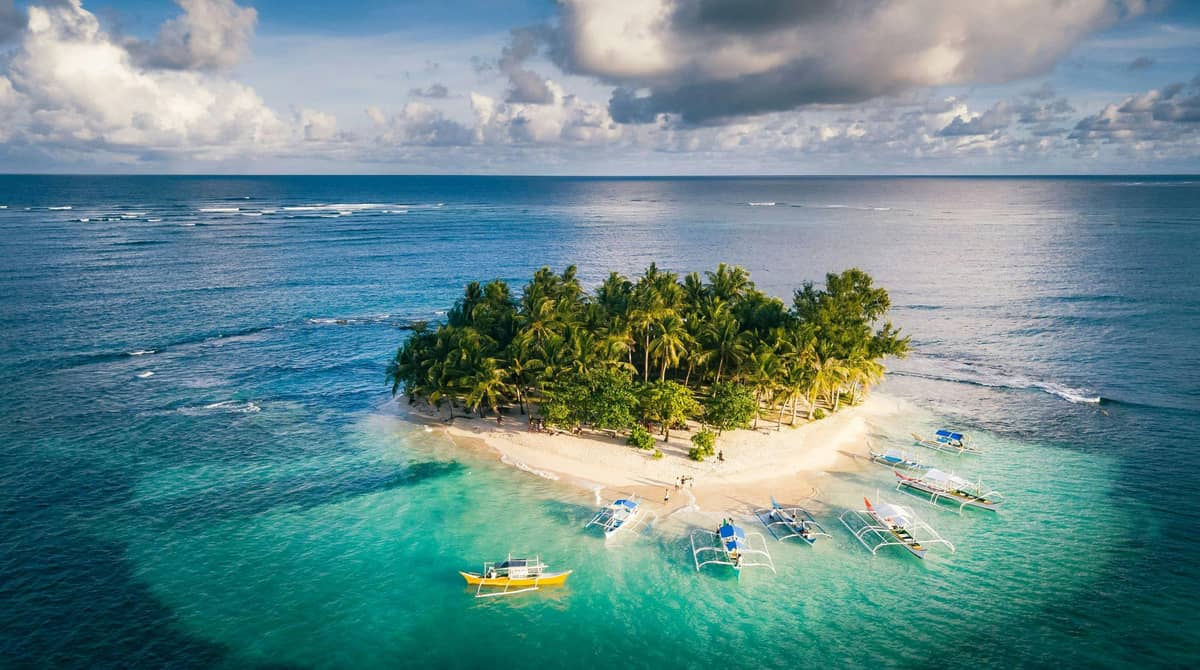
Your Journey to the Pearl of the Orient Seas
A vibrant archipelago where stunning natural beauty meets rich history and warm hospitality, the Philippines offers a travel experience unlike any other. From powder-white beaches fringed with turquoise waters to bustling cities filled with cultural heritage, this island nation promises unforgettable memories. Whether you’re island-hopping in Palawan, exploring colonial streets in Cebu, or diving into the coral gardens of Apo Reef, this complete guide helps you plan your Philippine adventure, from the lush highlands of Banaue to the lively shores of Boracay.
Philippines at a Glance
- Capital: Manila
- Currency: Philippine Peso (PHP)
- Language: Filipino, English (widely spoken)
- Time Zone: PHT (GMT+8)
- Best For: Beach Lovers, Adventure Seekers, Cultural Enthusiasts, Divers
- Visa: Required for some nationalities — check Philippines Visa Requirements
Quick Facts: The Philippines runs on Philippine Time (GMT+8) and uses the Philippine Peso (PHP). English is widely spoken, making travel easy for international visitors. This tropical paradise has over 7,000 islands, offering an endless variety of experiences for every traveler.
Philippines Key Facts & Planning Cheat Sheet
Where is the Philippines Located?
The Philippines is an archipelagic country in Southeast Asia, located in the western Pacific Ocean. It lies east of Vietnam, north of Indonesia, and south of Taiwan. With over 7,600 islands, it’s known for its diverse landscapes, from pristine beaches and vibrant coral reefs to lush mountains and rice terraces.
Why Visit the Philippines?
Breathtaking Natural Beauty:
The Philippines is home to some of the world’s most stunning beaches, crystal-clear waters, and dramatic landscapes. Swim with whale sharks in Oslob, explore the underground river in Puerto Princesa, or hike to the breathtaking Banaue Rice Terraces.
Rich Cultural Heritage:
Influenced by Malay, Spanish, and American history, the Philippines is a cultural melting pot. Discover centuries-old churches, colorful festivals, and traditional dances while exploring towns that hold centuries of history.
Adventure and Marine Wonders:
From diving in world-famous coral reefs to trekking volcanoes and island hopping across turquoise seas, the Philippines offers endless adventures for nature lovers and thrill-seekers alike.
Best Time to Visit the Philippines: Seasons & Weather
The Philippines enjoys tropical weather year-round, but climate patterns vary across regions.
- Dry Season (November–April): Ideal for beach holidays, diving, and island-hopping. Perfect months include December to February for cooler temperatures.
- Wet Season (May–October): Characterised by rain showers and occasional typhoons, best suited for exploring cultural sites and avoiding crowds.
Best Time by Interest:
- Beach Vacations: December–May
- Island Hopping & Diving: February–May
- Festivals: January–December (peak in January and May)
- Budget Travel: Off-peak rainy months (June–October) for fewer tourists and lower prices
Getting There & Around: The Complete Travel Guide
How to Get to the Philippines:
The main international gateways are Ninoy Aquino International Airport (MNL) in Manila, Mactan-Cebu International Airport (CEB), and Clark International Airport (CRK). These airports have direct flights from major cities worldwide.
Getting Around the Philippines:
- Flights: Domestic flights are often the fastest way to travel between islands.
- Ferries: Popular for inter-island travel, offering scenic journeys.
- Jeepneys & Tricycles: Iconic local transport for short distances.
- Buses: Efficient for mainland travel.
- Private Cars: Best for exploring remote destinations.
Tip: Book flights and ferries early during peak seasons to secure the best prices.
Where to Stay in the Philippines: Best Regions & Hotels
Manila: The bustling capital, full of history, shopping, and nightlife. Stay in Makati or Bonifacio Global City for convenience and luxury.
Cebu: A mix of urban life and natural beauty. Choose resorts near Mactan Island or heritage hotels in Cebu City.
Palawan: Renowned for pristine beaches and crystal waters. Stay in El Nido, Coron, or Puerto Princesa for unforgettable island adventures.
Boracay: World-famous for its white sand beaches and vibrant nightlife. Stay near White Beach for convenience.
Banaue: Known for the UNESCO-listed Rice Terraces. Stay in local guesthouses or eco-lodges for an authentic cultural experience.
Top Things to Do in the Philippines: Attractions & Itineraries
Discover more detailed activity suggestions in our complete list of Things to Do in the Philippines.
Must-See Sights & Experiences:
- El Nido & Coron: Stunning limestone cliffs and turquoise lagoons.
- Chocolate Hills, Bohol: Unique geological formations.
- Banaue Rice Terraces: Ancient marvels carved into mountainsides.
- Underground River, Palawan: UNESCO World Heritage site.
- Taal Volcano, Batangas: One of the world’s most picturesque volcanoes.
- Whale Shark Diving, Oslob: A thrilling underwater experience.
- Pagsanjan Falls: Adventure through river rapids to hidden waterfalls.
- White Beach, Boracay: Soft sands and vibrant nightlife.
Recommended Itineraries
5-Day Classic Philippines Escape:
- Day 1–2: Manila City Tour & Intramuros
- Day 3: Fly to Palawan (Puerto Princesa)
- Day 4: Island hopping in El Nido
- Day 5: Return to Manila & Departure
10-Day Island Adventure:
- Days 1–2: Manila & Tagaytay
- Days 3–5: Palawan (Puerto Princesa, El Nido, Coron)
- Days 6–7: Cebu (City tour & Oslob whale sharks)
- Days 8–9: Bohol (Chocolate Hills, Panglao Beach)
- Day 10: Departure
Philippines on a Budget: Cost Breakdown & Tips
Daily Budget Estimates:
- Backpacker: $30–50/day (hostels, local eateries, public transport)
- Mid-Range Traveler: $70–150/day (comfortable hotels & guided tours)
- Luxury Traveler: $250+/day (5-star resorts, private tours, fine dining)
Money-Saving Tips:
- Travel during off-peak seasons for lower costs.
- Book tours and accommodations in advance.
- Use local transport and dine in local eateries.
- Choose multi-island packages for better value.
Essential Philippines Travel Tips
Is the Philippines Safe?
Yes, the Philippines is generally safe for travelers. Common-sense precautions such as avoiding isolated areas at night are recommended.
Local Customs & Etiquette:
- Dress modestly when visiting religious sites.
- Respect local traditions and festivals.
- Bargaining is common in markets.
- Avoid littering; the Philippines treasures its natural beauty.
What to Pack:
- Light breathable clothing & swimwear.
- Waterproof bags for island trips.
- Sunscreen, insect repellent, and hat.
- Universal power adapter (Type A/B).
Final Thoughts
The Philippines is not just a destination, it’s an endless adventure of sun, sea, and culture. From stunning white-sand beaches to lush mountain ranges and vibrant traditions, every moment here is unforgettable. Whether you seek tranquil island escapes or high-energy cultural experiences, the Philippines offers something for every traveler.
Let Travelfika take care of your Philippine adventure. Explore our specially curated Philippines Tour Packages for beach lovers, culture seekers, and adventure travelers. Your tropical journey awaits.