 IND: +91 9629929970
 USA: +1 (415) 718-2654

Your Ultimate Mauritius Travel Guide: Culture, Nature & Adventure
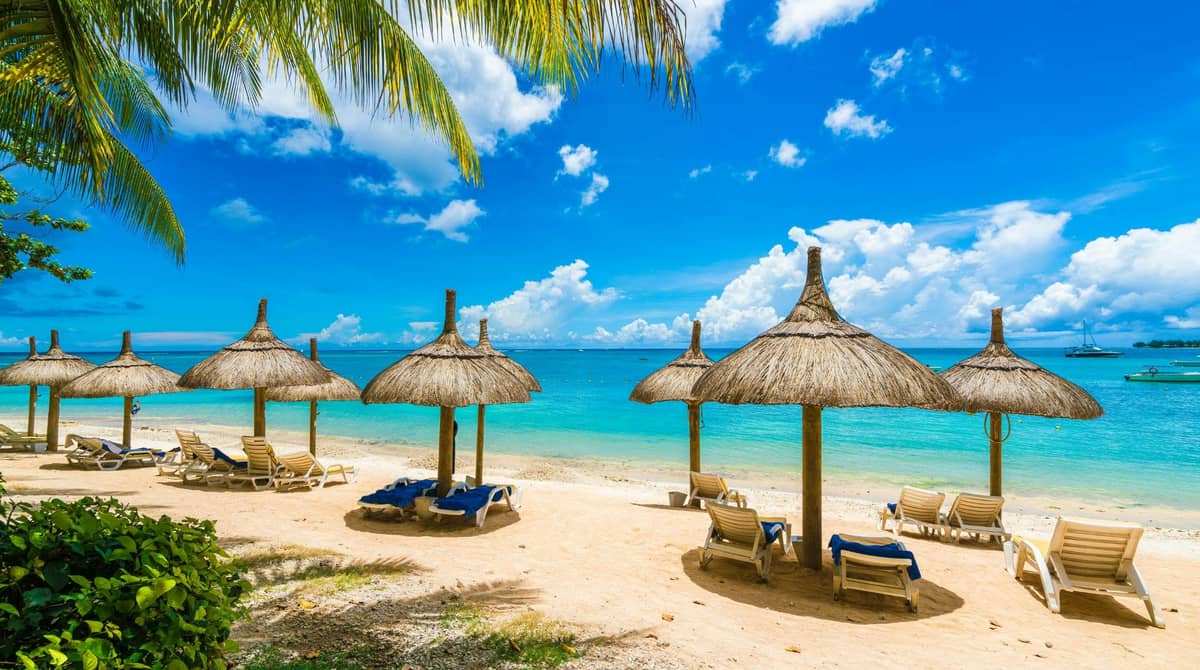
Your Journey Through Sugarcane Fields, Turquoise Lagoons & Waterfalls
A vibrant island where emerald mountains meet a sapphire ocean, Mauritius invites you into a world of stunning beaches, rich cultures, and thrilling adventures. Whether you’re snorkeling in a protected lagoon, hiking to a hidden waterfall, exploring botanical gardens, or simply enjoying the mix of cultures, this full guide helps you navigate your Mauritian adventure with heart and clarity.
Mauritius at a Glance
- Capital: Port Louis
- Currency: Mauritian Rupee (MUR)
- Language: English (official), Mauritian Creole, French
- Time Zone: Mauritius Time (UTC+4)
- Best For: Families, honeymooners, adventure seekers, cultural explorers
- Visa: Visa-free access for many nationalities for short tourist visits.
Quick Facts: Mauritius is a single island nation in the Indian Ocean, east of Madagascar. It's famous for its sugar plantations, the extinct volcano at Trou aux Cerfs, the Seven-Coloured Earths, and a beautiful coastline surrounded by the world's third-largest coral reef.
Mauritius Key Facts & Planning Cheat Sheet
Where is Mauritius Located?
Mauritius is an island nation in the Indian Ocean, about 2,000 kilometers off the southeast coast of Africa, east of Madagascar. The country includes the main island of Mauritius, along with Rodrigues, Agaléga, and St. Brandon.
Why Visit Mauritius?
Stunning Beaches & Lagoons: The island is completely surrounded by a coral reef, creating calm, crystal-clear lagoons perfect for swimming and water sports, with famous beaches like Flic en Flac and Belle Mare.
Cultural Mix ("Rainbow Nation"): Experience a unique blend of Indian, African, European, and Chinese influences through food, festivals, and daily life.
Unique Natural Attractions: Discover one-of-a-kind wonders like the Seven-Coloured Earths in Chamarel, the underwater waterfall illusion viewed from the air, and the giant water lilies at Pamplemousses Botanical Garden.
Adventure & Activities: From hiking in Black River Gorges National Park to swimming with dolphins and zip-lining, Mauritius offers endless activities beyond the beach.
For detailed planning on destinations, see our guide to the best Places to Visit in Mauritius.
Best Time to Visit Mauritius: Seasons & Regions
For an in-depth seasonal breakdown, see our detailed guide on the Best Time to Visit Mauritius.
Seasons
Cool & Dry Season (May – October): Pleasant, sunny, and less humid. Ideal for hiking, sightseeing, and water sports. This is the peak tourist season.
Warm & Wet Season (November – April): Hotter, more humid, with a higher chance of rain and cyclones. The sea is warmer, and the landscape is very green. This is the summer season.
Best Time by Interest
Beach Holiday & Diving: May to December for clear skies and excellent underwater visibility.
Surfing & Kitesurfing: June to August for the best wind conditions.
Fewer Crowds/Budget Deals: The shoulder months of April, May, October, and November may offer lower rates and good weather.
Getting There & Around: The Complete Travel Guide
How to Get to Mauritius
The main international gateway is Sir Seewoosagur Ramgoolam International Airport (MRU), located in the southeast of the island. It is well-connected with flights from Europe, the Middle East, Africa, Asia, and Australia.
Getting Around Mauritius
Car Hire: The most flexible way to explore the island at your own pace. Driving is on the left-hand side of the road.
Taxis & Buses: Taxis are widely available for shorter trips and tours. Buses are a very cheap and reliable way to travel around the island and between towns.
Ferries: Used for day trips to nearby islands like Île aux Cerfs or for travel to the island of Rodrigues.
Tip: Renting a car is recommended for travelers who want to see a lot of the island. Book your car rental in advance, especially during peak season.
Where to Stay in Mauritius: Best Regions & Accommodation
North (Grand Baie, Trou aux Biches): Lively area with great beaches, restaurants, and water sports. Ideal for families and young travelers.
East (Belle Mare, Trou d'Eau Douce): Home to the longest beaches and many luxury resorts. Perfect for a quiet, romantic honeymoon and calm lagoons.
West (Flic en Flac, Le Morne): Famous for stunning sunsets, great snorkeling and diving, and access to Black River Gorges National Park. Good for nature lovers and adventurers.
South (Mahébourg, Bel Ombre): More wild and rugged coastline, rich in history and culture. Offers a more authentic and less crowded experience.
Accommodation ranges from all-inclusive luxury resorts and boutique hotels to affordable guesthouses and self-catering villas, catering to all budgets and styles.
Top Things to Do in Mauritius: Attractions & Itineraries
Discover more detailed activity suggestions in our complete list of Things to Do in Mauritius.
Must-See Sights & Experiences
Visit the Pamplemousses Botanical Garden: One of the oldest botanical gardens in the Southern Hemisphere, famous for its giant Victoria water lilies and Talipot palm.
Explore Chamarel Village: See the amazing Seven-Coloured Earths, a small area of sand dunes with seven distinct colors, and the stunning Chamarel Waterfall.
Take a Boat Trip to Île aux Cerfs: This beautiful private island is known for its pristine beaches, crystal-clear water, and golf course. A perfect day trip for swimming and relaxation.
Snorkel or Dive in the Blue Bay Marine Park: Discover a beautiful protected area filled with colorful corals and hundreds of species of tropical fish.
Hike in Black River Gorges National Park: Trek through dense forest to find hidden waterfalls, scenic viewpoints, and rare native birds like the Pink Pigeon.
Experience Port Louis: Explore the capital city, visit the bustling Central Market, see the beautiful Jummah Mosque, and learn history at the Aapravasi Ghat.
Recommended Itineraries
5-Day Mauritius Highlights:
Day 1–2: Arrive and stay in the North (Grand Baie). Visit the capital Port Louis and relax on the northern beaches.
Day 3: Day trip to the East. Visit the Pamplemousses Botanical Garden and take a boat to Île aux Cerfs.
Day 4: Explore the Southwest. See the Seven-Coloured Earths in Chamarel and visit the sacred Ganga Talao crater lake.
Day 5: Enjoy a final morning at the beach or some souvenir shopping before departure.
10-Day Island Explorer Journey:
Days 1–3: North for culture and activities (Port Louis, Caudan Waterfront, L'Aventure du Sucre museum).
Days 4–6: East for luxury and relaxation (Belle Mare beach, water sports, boat trips).
Days 7–9: Southwest for nature and adventure (Black River Gorges hike, Chamarel, Le Morne Brabant, dolphin watching).
Day 10: Return to the North or head to the airport for departure.
Mauritius on a Budget: Cost Breakdown & Tips
Daily Budget Estimates
- Budget Traveler: Approx MUR 1,500–2,000/day (guesthouses, street food, public buses)
- Mid-Range: Approx MUR 3,000–6,000/day (comfortable hotels, some guided tours, car rental)
- Luxury: MUR 8,000+/day (all-inclusive resorts, private guides, fine dining, catamaran cruises)
Money-Saving Tips
- Travel in Shoulder Seasons: April, May, October, and November often have better deals on flights and accommodation.
- Eat Local Food: Enjoy delicious and affordable Mauritian street food like dholl puri and gateaux piments from local vendors.
- Use Public Buses: An extremely cheap and authentic way to travel around the entire island.
- Focus on Free Activities: Hiking in national parks, visiting public beaches, and exploring local markets costs nothing.
- Negotiate for Taxis and Tours: Always agree on a price before starting a journey with a taxi driver.
Essential Mauritius Travel Tips
Is Mauritius Safe?
Yes, Mauritius is generally very safe for travelers. Standard precautions against petty theft are advised, such as not leaving valuables unattended on the beach.
Local Customs & Etiquette
Mauritians are known for their warm hospitality. A friendly greeting is always appreciated.
Dress modestly when visiting temples, mosques, or small villages. Cover your shoulders and knees.
The environment is precious; do not touch or step on the coral while snorkeling, and always dispose of your trash properly.
What to Pack
- Light, breathable cotton clothing for a tropical climate.
- Multiple swimwear sets, snorkel gear, and a quick-dry towel.
- High-protection sunscreen, a wide-brimmed hat, and polarized sunglasses.
- Sturdy sandals and good walking shoes for hiking.
- UK-style travel adapter (Type G).
- Reef-safe sunscreen to protect the delicate coral reef ecosystem.
Final Thoughts
Mauritius is more than just a beautiful island; it's a vibrant mix of cultures, landscapes, and adventures. Whether you're watching the sunset over the ocean from Le Morne, tasting the incredible fusion of foods in a local market, or swimming in the warm, clear lagoon, every moment in Mauritius feels special. With friendly planning, a sense of exploration, and a respect for its culture and nature, your journey to this rainbow nation will become a treasured memory.
Let Travelfika tailor your Mauritius Tour Packages from luxurious all-inclusive beach resorts to adventurous nature tours and fun-filled family holidays. Your perfect island getaway awaits.