 IND: +91 9629929970
 USA: +1 (415) 718-2654

Your Ultimate Australia Travel Guide: Culture, Nature & Adventure
Your Journey Through Nature, Culture & Endless Horizons
A continent – a country – a world of its own. From shimmering beaches and coral reefs to red deserts and cosmopolitan cities, Australia invites you into a vibrant land of diversity and wonder. Whether you’re surfing at Bondi, diving the Great Barrier Reef, exploring Indigenous heritage or tackling the Outback, this complete guide helps you plan your Australian adventure with style and ease.
Australia at a Glance
- Capital: Canberra
- Currency: Australian Dollar (AUD)
- Language: English (widely spoken)
- Time Zones: Varies by state (e.g., AEST UTC+10)
- Best For: Nature lovers, adventure seekers, beach & reef fans, city-explorers
- Visa: Electronic Visitor Visa required for many nationalities - Check Australian Visa Requirements.
Quick Facts: Australia’s landscapes span tropical rainforests, coral reefs, outback deserts and modern metropolises. It’s huge so plan carefully to use your time smartly.
Australia Key Facts & Planning Cheat Sheet
Where is Australia Located?
Australia is a vast island-continent in the Southern Hemisphere, surrounded by the Indian Ocean and Pacific Ocean. Its unique setting gives it dramatic landscapes and a rich array of ecosystems.
Why Visit Australia?
- Natural Wonders: From the Great Barrier Reef to the rugged Outback and lush rainforests, Australia is packed with nature at its best.
- Vibrant Cities & Culture: Cities like Sydney and Melbourne bring art, food, modern architecture and lively street scenes.
- Indigenous Heritage: The Aboriginal and Torres Strait Islander cultures are among the world’s oldest living cultures, offering deep cultural experiences.
- Adventure & Relaxation: Whether you want to hike, dive, surf, drive or unwind on pristine beaches, Australia has it all.
For detailed planning on destinations, see our guide to the best Places to Visit in Australia.
Best Time to Visit Australia: Seasons & Regions
Because Australia is so big, the best time to visit Australia depends on where you’re going.
Seasons (Southern Hemisphere)
- Summer (Dec-Feb): Hot in many places; great for beaches and reefs.
- Autumn (Mar-May): Mild weather, fewer crowds in many regions.
- Winter (Jun-Aug): Excellent in the north (dry season), cooler in the south and in alpine areas.
- Spring (Sep-Nov): Wildflowers in western regions, pleasant weather in many places.
Best Time by Interest
- Coral reef & tropical north: May to Oct (dry season) is best for places like the Great Barrier Reef and rainforests.
- City & coast sightseeing: Spring and autumn offer mild weather for cities and driving.
- Outback & desert regions: Winter (Jun-Aug) is ideal as the heat is more manageable.
- Surf & beach holiday: Summer months are popular but expect higher crowds and prices.
Getting There & Around: The Complete Travel Guide
How to Get to Australia
Major international airports include Sydney (SYD), Melbourne (MEL), Brisbane (BNE), Perth (PER). Depending on your origin, you will often transit via Asian or Middle-East hubs.
Getting Around Australia
- Domestic Flights: Given the scale of the country, flying between major cities saves time.
- Road Trips & Self-Drive: Many iconic experiences come via driving (e.g., coastal highways, outback routes).
- Public Transport in Cities: Excellent in major cities like Sydney and Melbourne.
- Tours & Guided Trips: For remote regions (Outback, reefs, etc.), joining a guided tour often ensures smoother logistics.
Tip: Plan your route early (Australia is large) and book ahead for domestic flights or popular tours during peak seasons.
Where to Stay in Australia: Best Regions & Accommodation
- Sydney & NSW Coast: Modern city stays, beach suburbs, coastal getaways.
- Melbourne & Victoria: Culture-rich city, nearby Great Ocean Road drives.
- Queensland (Reef & Tropical North): Resort towns like Cairns, Whitsundays; easy reef access.
- Western Australia: Remote beaches, wildflowers, wine regions near Perth.
- Outback & Northern Territory: For rugged, remote stays and camping/eco-lodges.
- Tasmania: Wilderness, boutique lodges, gourmet food experiences.
In each region you’ll find choices from budget hostels to luxury resorts, choose according to your pace and budget.
Top Things to Do in Australia: Attractions & Itineraries
Discover more detailed activity suggestions in our complete list of Things to Do in Australia.
Must-See Sights & Experiences
- Great Barrier Reef: Dive or snorkel this world-famous reef system.
- Uluru (Ayers Rock): A sacred sandstone monolith in the Outback.
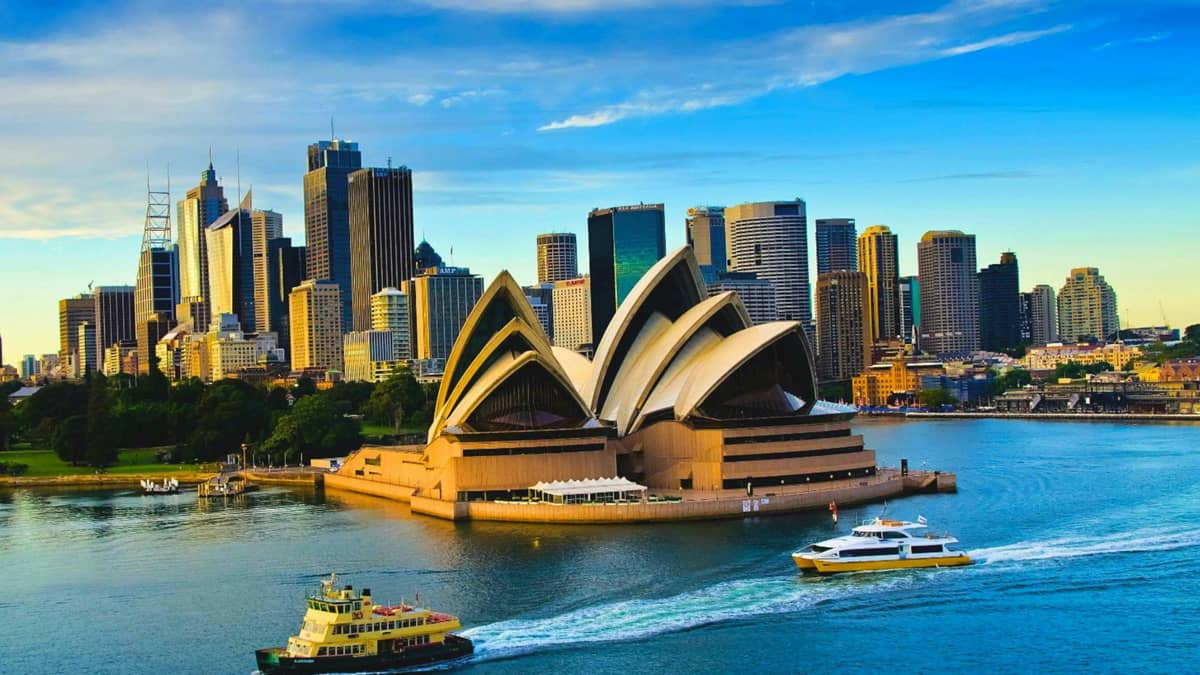
- Sydney’s harbour: Sydney Opera House + Sydney Harbour Bridge.
- Great Ocean Road: Scenic drive of coastal cliffs and beaches in Victoria.
- Rainforests & wilderness: e.g., Daintree Rainforest, Tasmania’s wild landscapes.
Recommended Itineraries
5-Day Australia Highlights:
- Day 1–2: Arrive Sydney, city sightseeing and harbour.
- Day 3: Fly to Cairns/Whitsundays for reef adventure.
- Day 4: Rent car or join tour along coastal route or rainforests.
- Day 5: Fly back to main city or depart.
10-Day Culture & Nature Journey:
- Days 1–3: Sydney & surroundings.
- Days 4–5: Melbourne & Great Ocean Road drive.
- Days 6–7: Fly to tropical north (Cairns/Whitsundays), reef & rainforest.
- Days 8–10: Outback/Uluru or Western Australia for wide-open nature.
Australia on a Budget: Cost Breakdown & Tips
Daily Budget Estimates
- Backpacker: AUD 100–150/day (hostels, public transport, budget meals)
- Mid-Range: AUD 250–350/day (3-4 star hotels, some tours)
- Luxury: AUD 500+/day (resorts, private tours, fine dining)
Money-Saving Tips
- Travel in shoulder seasons for better deals.
- Use city public transport passes.
- Book domestic flights early (they fill up).
- Consider self-drive in areas rather than paid tours (but factor fuel & rental).
- Take advantage of free natural attractions (beaches, national parks).
- Stay in smaller towns just outside major hubs for cheaper lodging.
Essential Australia Travel Tips
Is Australia Safe?
Yes. Australia is considered very safe for travelers. Standard travel-precautions apply.
Local Customs & Etiquette
- Respect Indigenous lands and culture, ask permission where required and follow rules around sacred sites like Uluru.
- Wildlife is part of the experience, observe from safe distances.
- Bush & outback travel: let someone know your route, carry sufficient water and supplies.
What to Pack
- Layered clothing (coastal and outback climates differ).
- Sun protection (hat, SPF, sunglasses).
- Good walking shoes for nature and city explorations.
- Adapter plug (Type I).
- Reef-safe sunscreen if diving/snorkelling.
- Light rain jacket (some regions can get showers).
Final Thoughts
Australia is more than a destination, it’s a grand adventure of landscapes, culture and discovery. Whether you’re diving in tropical reefs, catching waves at a surf beach, exploring vibrant cities or venturing into vast deserts, every corner offers something unforgettable. With some smart planning, flexible timing and an open mind, your Aussie journey will be one for the books.
Let Travelfika help you tailor your Australia tour packages, from city breaks to reef escapes to outback adventures. Your Down-Under escape awaits!