 IND: +91 9629929970
 USA: +1 (415) 718-2654

Your Essential Egypt Travel Guide: Pyramids, Pharaohs & River Journeys
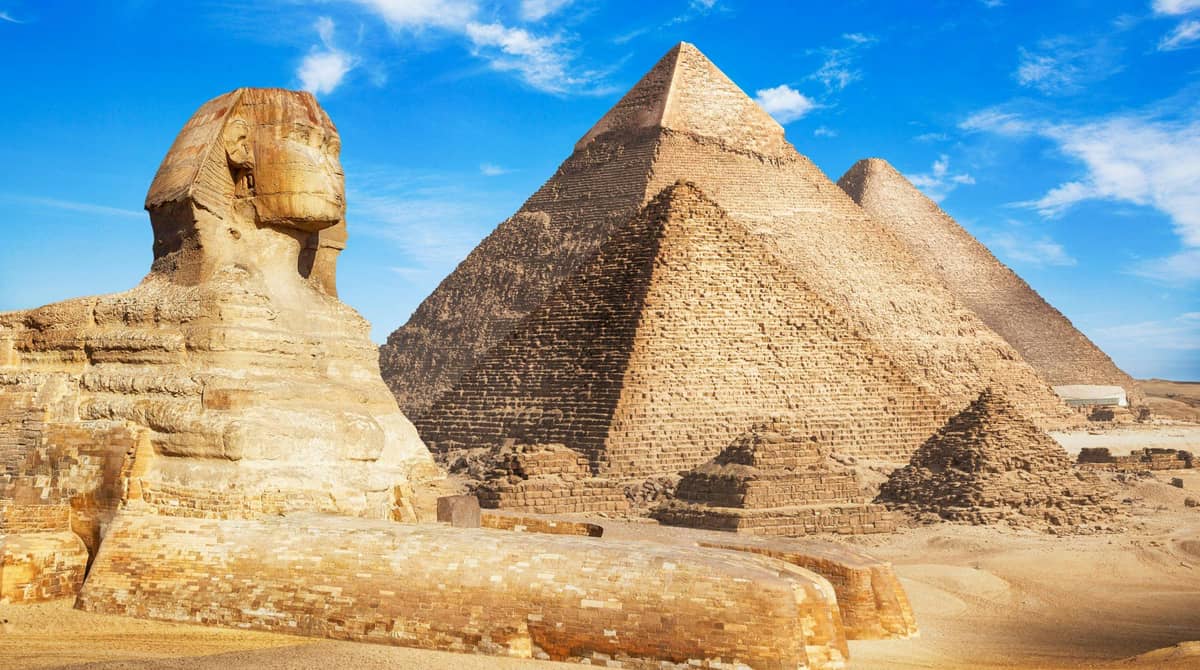
Your Journey Through Time, Culture & Desert Beauty
A land where ancient history meets modern life. From the timeless pyramids and the calm Nile River to golden deserts and colorful coral reefs, Egypt invites you into a world of mystery and beauty. Whether you’re exploring the temples of Luxor, cruising the Nile, diving in the Red Sea, or wandering through Cairo’s lively markets, this complete guide helps you plan your Egypt adventure with ease and excitement.
Egypt at a Glance
- Capital: Cairo
- Currency: Egyptian Pound (EGP)
- Language: Arabic (English widely spoken)
- Time Zone: UTC +2
- Best For: History lovers, culture explorers, beach and reef fans, adventure seekers
- Visa: e-Visa or visa on arrival for most nationalities – check Egypt visa rules before travel.
Quick Facts: Egypt sits in North Africa and partly in Asia (Sinai Peninsula). The country is known for its ancient monuments, desert landscapes, and the life-giving Nile River.
Egypt Key Facts & Planning Cheat Sheet
Where is Egypt Located?
Egypt lies in the northeast corner of Africa, bordered by the Mediterranean Sea in the north and the Red Sea in the east. Its central location between Africa, Asia, and Europe makes it a fascinating blend of cultures and landscapes.
Why Visit Egypt?
Ancient Heritage: Home to the Great Pyramids of Giza, the Sphinx, and centuries-old temples that reveal the glory of the pharaohs.
Rich Culture: Cairo’s streets, bazaars, music, and food offer a lively mix of old and new.
Adventure & Nature: Dive into the Red Sea, trek desert dunes, or cruise the Nile River through lush valleys.
Unique Landscapes: From golden deserts and green oases to the coral reefs and beaches of the Sinai coast.
For more planning ideas, see our guide to the best places to visit in Egypt.
Best Time to Visit Egypt: Seasons & Regions
Egypt’s weather changes with its geography, deserts, coasts, and the Nile Valley each have their own best season to visit.
Seasons
Winter (Dec–Feb): Pleasant and cool, perfect for sightseeing in Cairo, Luxor, and Aswan.
Spring (Mar–May): Warm and mild, great for Nile cruises and desert trips, though sandstorms can occur.
Summer (Jun–Aug): Very hot in the south, but good for beach holidays in Sharm El Sheikh and Hurghada.
Autumn (Sep–Nov): Comfortable temperatures and fewer crowds, ideal for culture and coast.
Best Time by Interest
Historical exploration: October to April (cooler months)
Red Sea diving & beach holidays: March to October
Desert treks & oases tours: November to February
Cultural festivals & local life: Ramadan and winter months
Getting There & Around: The Complete Travel Guide
How to Get to Egypt
Cairo International Airport is the main gateway, while Hurghada and Sharm El Sheikh welcome many direct flights from Europe and the Middle East. From Asia or North America, most routes connect via major hubs like Dubai, Doha, or Istanbul.
Getting Around Egypt
Domestic Flights: The fastest way to reach cities like Luxor, Aswan, and Sharm El Sheikh.
Trains & Buses: Comfortable rail links connect Cairo, Alexandria, and Upper Egypt.
Nile Cruises: A scenic and relaxing way to explore ancient temples between Luxor and Aswan.
Private Cars & Tours: Best for flexible schedules, especially in desert regions.
Public Transport: Affordable in cities but can be crowded; taxis and ride apps are better for tourists.
Tip: Egypt is large, so plan your route early and book intercity transport in advance during peak travel months.
Where to Stay in Egypt: Best Regions & Accommodation
Cairo & Giza: Great for exploring the pyramids, museums, and modern cafes.
Luxor & Aswan: Ideal for ancient temples, Nile cruises, and peaceful landscapes.
Hurghada & Sharm El Sheikh: For Red Sea resorts, coral reefs, and diving adventures.
Siwa & White Desert: For desert camping, oases, and stargazing under clear skies.
Egypt offers everything from budget guesthouses to five-star resorts and river cruises. Choose stays based on your pace, comfort, and travel style.
Top Things to Do in Egypt: Attractions & Itineraries
Must-See Sights & Experiences
- Visit the Pyramids of Giza and the Great Sphinx, the last ancient wonder of the world.
- Explore Luxor’s Valley of the Kings, Karnak, and Queen Hatshepsut’s Temple.
- Sail on a Nile Cruise between Aswan and Luxor for scenic views and ancient sites.
- Dive or snorkel in the Red Sea at Sharm El Sheikh or Hurghada.
- Trek Mount Sinai at sunrise or explore desert oases and Bedouin villages.
- Experience local life in Cairo’s Khan el-Khalili market and taste Egyptian street food.
Recommended Itineraries
5-Day Egypt Highlights
Day 1–2: Cairo – Pyramids, Egyptian Museum, city markets
Day 3: Fly to Luxor – visit temples and tombs
Day 4: Cruise or drive to Aswan – Nile and local villages
Day 5: Return to Cairo or relax at Red Sea resort
10-Day Egypt Culture & Adventure Tour
Days 1–3: Cairo & Giza – ancient wonders and modern city life
Days 4–5: Luxor – explore temples and Valley of the Kings
Days 6–7: Aswan – Nile cruise and Philae Temple
Days 8–9: Hurghada – diving, beaches, and coral reefs
Day 10: Return to Cairo for departure
Egypt on a Budget: Cost Breakdown & Tips
Daily Budget Estimates
Budget Traveler: EGP 800-1,200/day (hostels, local food, public transport)
Mid-Range: EGP 1,500-2,500/day (3-4 star hotels, some tours, better meals)
Luxury: EGP 3,500+/day (5-star hotels, private guides, Nile cruises)
Money-Saving Tips
Travel in shoulder seasons (March-May or September-November) for better prices
Use night trains between cities to save on accommodation
Eat at local restaurants rather than hotel restaurants
Book combo tickets for multiple archaeological sites
Learn basic bargaining skills for markets and taxis
Carry student ID for significant discounts at historical sites
What to Pack for Egypt
- Light, Breathable Clothing: Pack loose-fitting cotton and linen clothes in light colors to stay cool in the heat. Include long-sleeved shirts and pants for sun protection and mosque visits.
- Modest Wear for Religious Sites: Women should carry a scarf or pashmina to cover hair and shoulders when entering mosques. Both men and women need clothing that covers knees and elbows at religious sites.
- Comfortable Walking Shoes: Bring sturdy, broken-in walking shoes for temple exploration and sandals for more comfortable sightseeing.
- Sun Protection Essentials: A wide-brimmed hat, high-SPF sunscreen, polarized sunglasses, and lip balm with SPF are absolutely necessary for protection from the strong Egyptian sun.
- Evening & Cool Weather Items: Include a light jacket or sweater for cool desert evenings, air-conditioned hotels, and overnight train journeys.
- Swimwear & Beach Essentials: Pack swimsuits, quick-dry towels, and beach cover-ups for Red Sea resorts and hotel pools.
- Day Bag & Electronics: A small backpack for daily excursions should carry water, camera, and souvenirs. Don't forget a universal power adapter (types C & F) and power bank.
- Health & Hygiene Items: Bring hand sanitizer, wet wipes, basic first-aid supplies, and any personal medications you might need during your travels.
- Documents & Money: Keep your passport, visa, travel insurance documents, and some cash in US dollars or Euros for easy exchange in multiple copies and secure locations.
Essential Egypt Travel Tips
Is Egypt Safe?
Yes, Egypt's main tourist areas and archaeological sites are generally very safe for visitors. However, standard travel precautions against petty theft should be taken, especially in crowded markets and tourist areas. Always follow advice from your tour guide and accommodation providers regarding local conditions.
Local Customs & Etiquette
Dress Modestly: Conservative clothing that covers shoulders and knees is expected, particularly when visiting mosques, churches, and local communities away from resort areas.
Respect Religious Practices: Remove your shoes before entering mosques and remain quiet during prayer times. During Ramadan, avoid eating, drinking, or smoking in public during daylight hours.
Photography Courtesy: Always ask for permission before taking photographs of local people, especially in rural areas and markets. Note that additional photography tickets are often required for cameras inside tombs and museums.
Bargaining Basics: Polite bargaining is expected in markets (souks) but not in fixed-price shops. Always negotiate with a smile and be prepared to walk away if the price doesn't suit you.
Tipping Culture: "Baksheesh" (tipping) is common practice in Egypt for good service. Keep small bills handy for restaurant staff, hotel porters, guides, and drivers.
Final Thoughts
Egypt is not just a destination, it’s a living museum of stories, colors, and contrasts. From sailing the Nile and walking through ancient temples to diving in clear seas and sharing tea with locals, every experience leaves a lasting memory. With smart planning, an open heart, and respect for its deep heritage, your Egyptian journey will be truly magical.
Let Travelfika help you design your Egypt tour packages from pyramids and Nile cruises to Red Sea adventures and desert escapes.
Your Egyptian adventure awaits!