 IND: +91 9629929970
 USA: +1 (415) 718-2654

Pushkar Travel Guide: Holy Lake, Camel Fair & Rooftop Chai Views
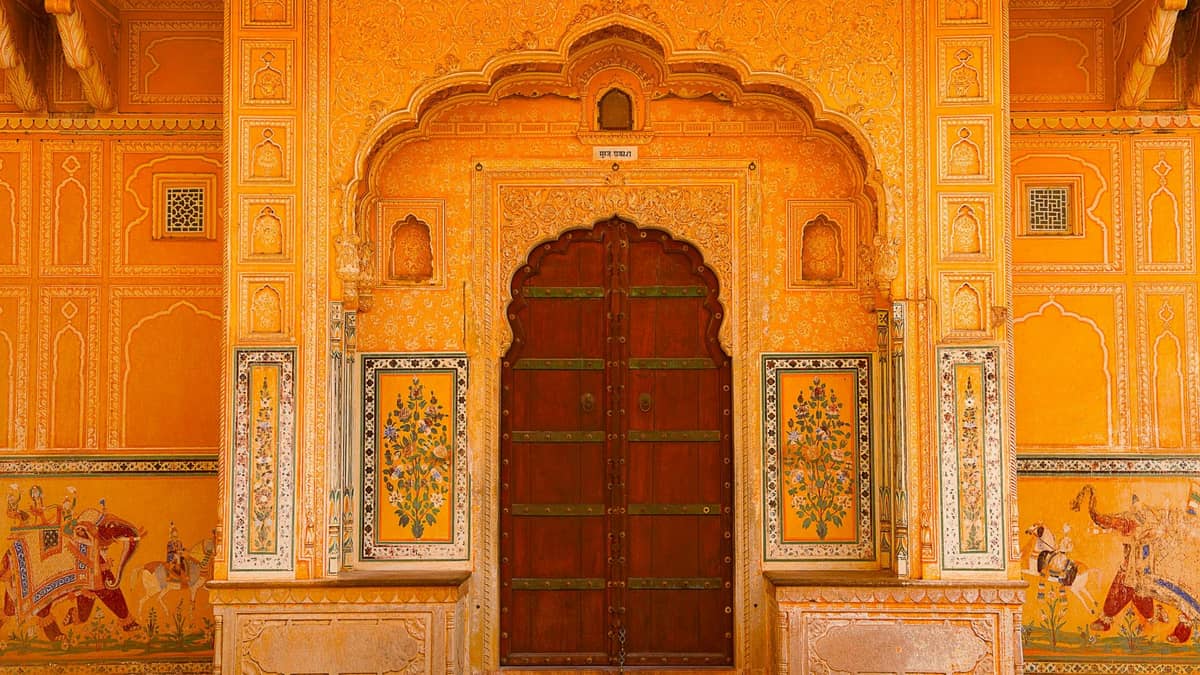
Your Passage to the Holy Town of Pushkar
Pushkar is one of India's oldest and holiest towns, cradled around a sacred lake and ringed by the Aravalli hills. Known as the "Tirtha Raj" (king of pilgrimage sites), this Rajasthan gem is famous for its 52 ghats, the world's only Brahma Temple, and the spectacular Pushkar Camel Fair. But Pushkar is more than just spirituality; it's a place where backpackers sip chai on rooftop cafes, luxury seekers retreat to heritage havelis, and desert camel safaris offer a taste of rural Rajasthan. The entire town is strictly vegetarian and alcohol-free by religious law, creating a peaceful, soulful atmosphere unlike anywhere else in India. Whether you're here for sunrise aarti at the lake, shopping in Sadar Bazaar, or watching the sunset from Savitri Temple, Pushkar welcomes you with open arms and endless cups of chai.
Pushkar at a Glance
- Location: 15 km from Ajmer, 150 km from Jaipur, Rajasthan
- Currency: Indian Rupee (INR) – 1 USD ≈ 83 INR
- Language: Rajasthani, Hindi, English (widely spoken in tourist areas)
- Time Zone: GMT+5:30
- Best For: Pilgrims, backpackers, culture seekers, camel fair enthusiasts, yoga lovers
- Famous For: Pushkar Lake, Brahma Temple, Pushkar Camel Fair (Oct–Nov), vegetarian-only food culture
Quick Facts: Pushkar means "blue lotus" in Sanskrit, derived from the legend that Lord Brahma dropped a lotus flower that created the lake. The town has 52 ghats and over 300 temples. Pushkar is one of the few places in the world with a temple dedicated to Lord Brahma, the creator god in Hinduism. The town is strictly vegetarian and alcohol-free, no meat, no eggs, no alcohol anywhere.
Find Your Pushkar Vibe
- Backpacker Vibe: Rooftop hostels near Main Market and Choti Basti. Zostel and Moustache offer dorm beds for ₹400–800 ($5–10). Chai for ₹20, thali for ₹150. Meet fellow travellers at rooftop cafes with lake views.
- Luxury Vibe: Heritage havelis with pools near the lake or luxury desert camps on the outskirts. Stay at The Westin Pushkar Resort or luxury tented camps with private bathrooms, cultural performances, and organic meals.
- Cultural Vibe: Ghats at dawn for morning aarti, Brahma Temple darshan, and staying during Camel Fair week (Oct–Nov) for the full experience. Walk the 52 ghats, visit Rangji Temple, and take a cooking class to learn Rajasthani cuisine.
- Spiritual Seeker Vibe: Early morning dip in Pushkar Lake, parikrama of the lake (3 km), meditation at quiet ghats, and visiting the Gurudwara Singh Sabha (free langar). Avoid peak hours 11 am- 3 pm) for peace.
- Adventure Vibe: Desert outskirts – camel safari at sunset, jeep safari through dunes, quad biking, and overnight camping with folk music. Pushkar Adventure Desert Camp offers packages with all activities included.
- Foodie Vibe: Pure vegetarian exploration – malpua (sweet), dal baati churma, kadhi kachori, and kulhad lassi. Try Israeli cafes like Laughing Buddha or Honey & Spice for falafel and hummus. Cooking classes with local families available.
Best Time by Season
October to March (Peak Season – Pleasant 20–30°C)
- Weather: Cool, dry, sunny – perfect for sightseeing and outdoor activities
- Highlights: Pushkar Camel Fair (Oct–Nov), pleasant nights for desert camping
- Crowds: High during the fair and December holidays – book accommodation months ahead
- Packing: Light layers, sunscreen, sunglasses, comfortable walking shoes
April to June (Summer – Avoid, 40°C+)
- Weather: Extreme heat, dry, harsh sun – not recommended for travel
- Activities: Only early morning or indoor (temples, shopping) possible
- Note: Many cafes and shops close during the afternoon heat (1–4 pm)
- Alternatives: Hill stations like Mount Abu
July to September (Monsoon – Humid but Green)
- Weather: Humid, occasional heavy rain, lush green landscapes
- Pros: Fewer tourists, lower hotel rates, beautiful rose gardens in bloom
- Cons: Some camel safaris may be cancelled due to mud
- Note: Pushkar Lake fills up beautifully during the monsoon
Getting Around Pushkar
- Walking (Best for Lake & Main Market): Pushkar is compact and walkable. The lake circuit (parikrama) is about 3 km. Most temples, ghats, and markets are within walking distance. Wear comfortable shoes.
- Rickshaw to Ajmer (15 km): Shared auto-rickshaws or taxis available from Pushkar bus stand. Fare ₹30–50 for shared, ₹300–400 for private. Trains from Ajmer connect to Jaipur, Delhi, and Mumbai.
- Camel Cart (For Fun): During Camel Fair season, camel carts are available for short rides around the mela ground. Negotiate price before riding (₹100–200 for a short ride).
- Scooter Rental (For Explorers): Rent a scooter to explore nearby areas like Ajmer (15 km) or rose gardens. Approx ₹300–500 per day. Requires a valid driving license.
- Cycle Rickshaw (Within Town): Available for short trips (50–100 INR). Negotiate before boarding.
- Private Taxi (For Day Trips): Best for Ajmer Sharif Dargah (15 km), Kishangarh (30 km), or Jaipur (150 km). Approx ₹1,500–2,500 for a full day.
Where to Stay in Pushkar
Lake-Facing Heritage (Luxury to Mid)
- The Westin Pushkar Resort, Pushkar Palace, Ananta Spa & Resort
- Best for lake views, heritage architecture, and easy ghat access
- Price: ₹5,000–15,000 per night
Mid-Range with Rooftop Cafe (Main Market Area)
- Hotel Pushkar Palace, Hotel New Park, Brahma Horizon
- Best for convenience, rooftop lake views, and walking access to the market
- Price: ₹2,000–4,000 per night
Heritage Havelis with Pool (Near Lake)
- Haveli Pushkar, Gulaab Niwas Palace, Rose Merry Inn
- Best for character, traditional Rajasthani architecture, and plunge pools
- Price: ₹3,000–6,000 per night
Budget Dorms & Hostels (Choti Basti / Main Market)
- Zostel Pushkar (₹500–700 dorm), Moustache Pushkar (₹500–600), Hotel Everest (₹250–400)
- Best for backpackers, social atmosphere, and free chai
- Price: ₹400–800 per bed
Desert Camps (Outskirts – Luxury Tents)
- Pushkar Adventure Desert Camp, Desert Tulips, Thar Desert Camp
- Best for camel safaris, folk dance, bonfire, and desert experience
- Price: ₹3,000–5,000 per night (includes dinner, breakfast, activities)
- Location: Motisar Road, 9–12 km from Pushkar town
Top Things to Do in Pushkar
Pushkar Lake & 52 Ghats
The heart of Pushkar – a sacred lake surrounded by 52 bathing ghats. Take a holy dip (for pilgrims) or simply walk the ghats. Evening aarti at Varaha Ghat and Brahma Ghat is mesmerising. Free entry. Best at sunrise or sunset. Insider tip: Clarify costs before accepting blessings or rituals.
Brahma Temple (Jagatpita Brahma Mandir)
The only temple in the world dedicated to Lord Brahma, the creator god. Built with marble and stone, this 14th-century temple is Pushkar's most important pilgrimage site. Timings: 6 am1:30 pmm3 pm9 pm9pm. Free entry. Dress code: shoulders and knees covered.
Savitri Mata Temple (Sunset Point)
Perched on Ratnagiri Hill, this temple offers the best panoramic view of Pushkar city and the lake. Access by ropeway (₹100–150 return) or a 30-minute steep hike. Timings: 6 am- 9 pm. Best at sunrise or sunset. Avoid summer (too hot).
Pushkar Camel Fair (October–November)
The world's largest camel fair – a spectacular 14-day event with camel trading, races, cultural performances, puppet shows, competitions, moustache, bridal, and hot air balloon rides. 2026 dates: November 17–24. Book accommodation months in advance. The fairground is on the outskirts of town.
Desert Safari & Camel Ride
Head 10–12 km out of town to the dunes for a camel safari at sunset. Combine with jeep safari, quad biking, and overnight camping. Most camps include Rajasthani folk dance (Kalbeliya) and a bonfire. Price: Camel ride ₹500–1,000 per hour.
Rangji Temple
A unique South Indian Dravidian-style temple dedicated to Lord Rangji (incarnation of Vishnu). Built in 1823, it features a gopuram-style entrance, long boundary walls, and intricate carvings. Timings: 6 am12 pmm4 pm8 pm8pm. Free entry.
Varaha Temple
One of the oldest temples in Pushkar, dedicated to Lord Varaha (boar incarnation of Vishnu). Known for its rich sculptural work and ancient carvings. Timin6 am12 pm–4 pm8 pm4pm–8 pm. Free entry.
Sadar Bazaar Shopping
The main market street for souvenirs is silver jewellery, Bandhani textiles, camel leather products, handicrafts, and spices. Bargaining is expected (start at 50–60% of the asking price). Open 9 am- 9 pm.
Rose Garden Visit
Pushkar is famous for rose farming. Visit the rose fields (best in February–March) for organic rose water, perfumes, and photography. Minimal entry fee.
Cooking Class with Local Family
Learn to make dal baati churma, gatte ki sabzi, and malpua from a Rajasthani family. Approx ₹1,500–2,500 per person. Available through many hotels and tour operators.
Gurudwara Singh Sabha
A peaceful Sikh temple visited by Guru Nanak Devji and Guru Gobind Singhji. Offers free langar (community meal) daily. Timings5 amam–10 pm. Free entry.
Sample Itineraries
3 Days – Pushkar Highlights
- Day 1: Arrive in Pushkar, check into the hotel. Evening at Pushkar Lake – walk the ghats, witness sunset aarti at Varaha Ghat, dinner at rooftop cafe with lake view.
- Day 2: Early morning at Brahma Temple (6 am opening). Breakfast at Laughing Buddha Cafe. Morning shopping at Sadar Bazaar. Afternoon hike or ropeway to Savitri Temple for sunset views over Pushkar. Evening traditional Rajasthani thali dinner.
- Day 3: Morning visit to Rangji Temple and Varaha Temple. Cooking class with a local family (lunch included). Afternoon departure for Ajmer or Jaipur.
5 Days – Pushkar + Ajmer + Desert Camp
- Days 1–3: Same as 3-day itinerary above
- Day 4: Day trip to Ajmer (15 km) – Ajmer Sharif Dargah, Ana Sagar Lake, and Adhai Din Ka Jhopra. Return to Pushkar evening.
- Day 5: Check out of the hotel, transfer to the desert camp on the outskirts (10 km). Afternoon camel safari and jeep safari on the dunes. Evening Kalbeliya dance, bonfire, and overnight in a luxury tent. Depart next morning.
7 Days – Pushkar + Jaipur Combo
- Days 1–3: Pushkar (as above)
- Days 4–7: Transfer to Jaipur (150 km, 3 hours by taxi or bus). Jaipur itinerary: Day 4, Amber Fort and City Palace, Day 5, Hawa Mahal and Jantar Mantar, Day 6, Nahargarh Fort and local markets, Day 7 departure.
Pushkar on a Budget ($15–20 per day)
- Thali ₹150–250 ($2–3): Traditional Rajasthani thali at local dhabas – unlimited dal, baati, sabzi, roti, and rice
- Dorm Bed ₹400–800 ($5–10): Zostel, Moustache, or Hotel Everest – clean, social, and central
- Chai ₹20 ($0.25): Street chai or rooftop cafes – the fuel of Pushkar
- Budget Meal ₹80–120 ($1–1.50): Poha for breakfast, samosa or kachori for snack, simple roti-sabzi at a local eatery
- Free Activities: Walking the 52 ghats, evening aarti at Varaha Ghat, Brahma Temple (free entry), sunset views from Parvati Hill (if you hthe ike, ropeway costs extra)
- Accommodation Areas: Choti Basti and Main Market have the cheapest hostels and guesthouses
- Transport: Walk everywhere within town – no transport needed. Rickshaw to Ajmer shared fare ₹30–50
- Souvenir Budget: Silver jewellery from ₹200, Bandhani scarf ₹100–300, camel leather wallet ₹150–250 (bargain hard)
- Daily Average: $15–20 (₹1,250–1,700) for backpackers; mid-range travellers $30–40 (₹2,500–3,500)
Essential Local Tips
- No leather goods near the lake: Leather items (belts, bags, shoes) are considered disrespectful near the sacred lake. Leave them at your hotel or cover them.
- Cover shoulders and knees: Temples (especially Brahma Temple) require modest dress. Women should carry a scarf. Men should avoid shorts.
- Photographers will ask for money: Anyone offering to take your photo (with a camera or phone) will expect payment. Negotiate or politely refuse.
- Don't touch holy cows: Cows roam freely in Pushkar. They are sacred; don't touch, feed, or disturb them.
- Negotiate everything: Tuk-tuk rides, camel safaris, market souvenirs, always bargain. Start at 50–60% of the asking price.
- Clarify ritual costs before accepting: Locals may offer blessings, a tilak, or a puja at the ghats. Always ask "how much?" before they begin. A fair donation is ₹50–200.
- Remove shoes before temples and some shops: Look for shoe racks at temple entrances. Also, remove shoes before entering local homes and some shops.
- 7-Eleven doesn't exist here: India has local "kirana" shops for water, snacks, and toiletries. Water bottles ₹20 for 1L.
- Tap water not safe: Drink only bottled or filtered water. Most hotels provide free bottled water daily.
- Sun protection essential: Even in winter (Nov–Feb), the Rajasthan sun is strong. Wear sunscreen, sunglasses, and a hat.
- Respect the vegetarian culture: Pushkar is strictly vegetarian and alcohol-free by religious law. Do not bring meat, eggs, or alcohol into town.
- Camel Fair booking: If visiting during Pushkar Fair (Oct–Nov), book accommodation 3–6 months in advance. Prices double or triple.
- Best chai: Rooftop cafes near the lake – sip chai while watching sunset over the ghats.
- ATMs: Limited ATMs near Sadar Bazaar. Carry enough cash – many smaller shops don't accept cards.
- Emergency numbers: 100 (police), 108 (ambulance), 112 (general emergency)
Conclusion: Your Pushkar Story Begins
Pushkar is not just a destination – it's a feeling. The sound of temple bells echoing across the lake, the taste of chai on a rooftop at sunset, the chaos and colour of the Camel Fair, and the peaceful stillness of dawn at the ghats. Whether you're a backpacker counting every rupee, a spiritual seeker, or a luxury traveller in a desert camp, Pushkar will leave an imprint on your soul. No alcohol, no meat – just pure, authentic India. Come with an open heart, and leave with stories you'll tell for years.
Brahma Temple, holy lake, and the world's largest camel fair – experience Pushkar tour package with Travelfika's curated travel deals.