 IND: +91 9629929970
 USA: +1 (415) 718-2654

Thailand Travel Insights: Beaches, Temples & Street Food Paradise
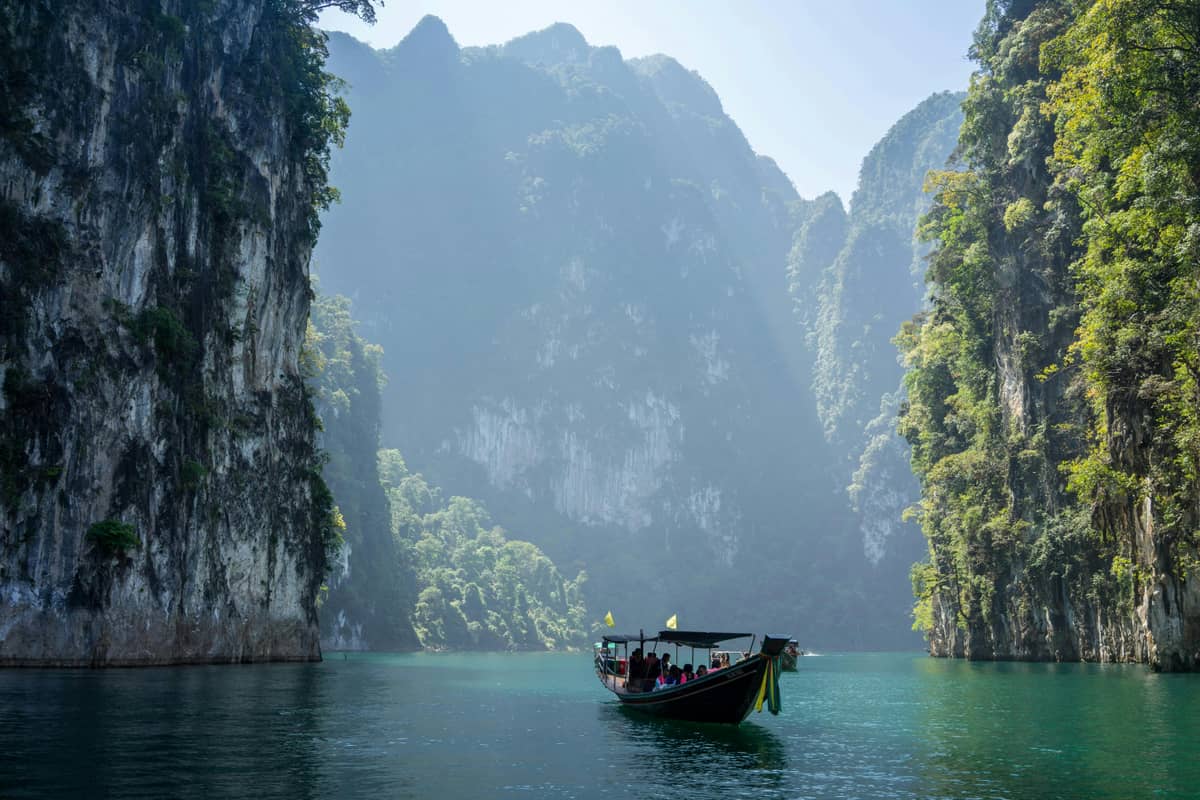
Your Journey into the Heart of Thailand
When is the best time to visit Thailand? It depends on which coast you visit because Thailand's two coastlines have opposite rainy seasons. The Andaman coast (Phuket, Krabi, Phi Phi) is best from November to April with calm seas and blue skies, while May to October brings heavy monsoon rains. The Gulf coast (Koh Samui, Koh Phangan, Koh Tao) follows the opposite pattern – best from May to October with calmer seas, and choppier waters from November to April. In the north (Chiang Mai, Chiang Rai), November to February is cool and dry (15–30°C); March to May is extremely hot and smoggy; and June to October brings afternoon showers. Bangkok is warm year-round, with November to February most pleasant and March to May very hot. The good news? Because seasons are opposite, you can always find sunshine somewhere in Thailand.
Thailand: At a Glance
- Capital: Bangkok
- Currency: Thai Baht (THB) – cash dominant outside cities; 1 USD ≈ 34 THB
- Language: Thai (English widely spoken in tourist areas)
- Time Zone: GMT+7
- Best For: Backpackers, luxury seekers, cultural explorers, beach lovers, foodies
- Visa: Visa-free or visa on arrival for many nationalities (check latest rules)
Quick Facts: Thailand is the "Land of Smiles," famous for golden temples, turquoise waters, fiery street food, and legendary hospitality. From misty mountains in Chiang Mai to party islands in the south, Thailand offers incredible diversity at wallet-friendly prices. The cultural-luxury balance is unmatched – you can sleep in a $10 bungalow or a $500 beachfront villa, eat $1 pad thai or Michelin-starred dining, all in the same trip.
Find Your Thailand Vibe
- Backpacker Vibe: Bangkok's Khao San Road for budget hostels and street parties; Pai for hippie mountain town vibes; Koh Phangan for beach bungalows and Full Moon Party
- Luxury Vibe: Phuket's Bang Tao Beach (Laguna resort complex); Koh Samui's Chaweng Noi (upscale villas and five-star resorts); Bangkok's riverside (Mandarin Oriental, The Siam)
- Cultural Vibe: Chiang Mai old city for temples and artisan crafts; Ayutthaya historical park for ancient ruins; Sukhothai for Thailand's first capital and UNESCO heritage
- Adventure Vibe: Khao Sok Lake for jungle trekking and lake bungalows; Railay Beach for rock climbing; Koh Tao for scuba diving certification
- Wellness Vibe: Koh Samui's detox retreats; Chiang Mai's yoga and meditation centers; Pai's hot springs and slow living
- Foodie Vibe: Bangkok's Chinatown (Yaowarat) for street food; Phuket Town for Hokkien-Thai fusion; Isaan for authentic som tam (papaya salad) and larb
Best Time to Visit Thailand by Region (Comparison)
Andaman Coast (Phuket, Krabi, Phi Phi, Khao Lak)
- Best: November to April – dry, calm seas, blue skies
- Shoulder: May and October – some rain, lower prices
- Avoid: June to September – monsoon, rough seas, boat cancellations
Gulf Coast (Koh Samui, Koh Phangan, Koh Tao)
- Best: May to October – drier than Andaman during these months
- Shoulder: November and April – transition months, some rain
- Relative low: January to March – still possible but more rain than in the Andaman
North & Central (Chiang Mai, Chiang Rai, Bangkok)
- Best: November to February – cool, dry, pleasant (15–30°C)
- Hot: March to May – very hot (35–40°C), burning season in the north (smog)
- Rainy: June to October – afternoon showers, lush green landscapes
Isaan (Northeast)
- Best: November to February – cool and dry
- Avoid: March to May – extreme heat (40°C+)
- Rainy: June to October – fewer tourists, green rice paddies
Getting Around Thailand
- Bangkok BTS (Skytrain) and MRT (Subway): Fastest way to avoid traffic. BTS connects Sukhumvit, Siam, and Mo Chit. MRT connects Hua Lamphong (train station) and Chatuchak.
- Tuk-tuks: Iconic but overpriced for tourists. Negotiate the price before riding. Short rides cost 50–100 THB.
- Taxis in Bangkok: Metered taxis start at 35 THB. Insist on meter ("meter dai mai?"). Avoid rush hour (7–9 am, 4–7 pm).
- Grab / Bolt: Ride-hailing apps with fixed prices. Cheaper than taxis for longer trips.
- Domestic flights: Best for long distances (Bangkok to Chiang Mai, Phuket, Krabi, Samui). Airlines: Bangkok Airways, Thai AirAsia, Nok Air, VietJet.
- Night trains: Bangkok to Chiang Mai (12 hours) – book first or second class sleeper. Saves a night of accommodation.
- Buses: Cheapest option but less comfortable. VIP buses have reclining seats and AC.
- Ferries: Connect the mainland to islands. High-speed ferries (1–2 hours) vs overnight boats (slower, cheaper).
- Scooter rental: 200–300 THB per day ($6–10). Requires an international driving permit (IDP) and caution. Police checkpoints target tourists.
- Songthaews: Shared red pickup trucks. Cheap local transport in cities and islands. Wave to stop, press buzzer to exit.
Where to Stay in Thailand
Bangkok – Riverside (Luxury)
- Mandarin Oriental, The Siam, Peninsula, Shangri-La
- Best for river views, fine dining, and easy boat access to temples
Bangkok – Sukhumvit (Mid to Luxury)
- Convenient for BTS access, shopping (EmQuartier), and nightlife
- Options from Marriott to budget hotels near Nana and Asok
Bangkok – Khao San Road (Budget)
- Backpacker central – hostels from $8–15 per night
- Loud, chaotic, and fun. Best for young travelers
Chiang Mai – Old City (Mid-Range)
- Temples, cafes, and guesthouses inside the moat
- Walkable, cultural, and peaceful. Budget options available
Chiang Mai – Nimman (Mid to Luxury)
- Trendy neighborhood near Maya Mall. Boutique hotels and designer cafes
Phuket – Bang Tao (Luxury)
- Laguna resort complex – Banyan Tree, Dusit Thani, Outrigger
- Best for families and honeymooners
Phuket – Patong (Budget to Mid)
- Party central – cheap hostels and hotels near Bangla Road
- Not for light sleepers
Krabi – Railay Beach (Mid to Luxury)
- Accessible only by boat. Rock climbing and stunning limestone views
- Bungalows from $30–150 per night
Koh Samui – Chaweng (All budgets)
- Longest beach, best nightlife. Hostels to five-star resorts
Koh Tao – Sairee Beach (Budget)
- Diving hub. Basic bungalows from $15–30 per night
Pai – Riverside (Budget)
- Hippie mountain town. Bamboo bungalows from $10–20 per night
Top Things to Do in Thailand
Wat Pho (Bangkok) – Reclining Buddha (46 meters long) and a traditional Thai massage school. Cheaper and less crowded than Wat Phra Kaew.
Grand Palace & Wat Phra Kaew (Bangkok) – Must-see royal complex. Dress code strictly enforced. Arrive early (8:30 am) to beat crowds and heat.
Phi Phi Islands (Krabi) – Maya Bay (check reopening status), Pileh Lagoon, and Viking Cave. Book a speedboat or longtail tour.
Wat Arun (Bangkok) – Temple of Dawn on the Chao Phraya River. Best visited at sunset. Climb the steep central prang for river views.
Chiang Mai Old City Temples – Wat Phra Singh, Wat Chedi Luang, and Wat Chiang Man (the oldest in Chiang Mai). Free or small donation.
Doi Suthep (Chiang Mai) – Mountain temple with golden chedi and city views. Take a songthaew from town or hike the 306-step Naga staircase.
Khao Sok Lake (Surat Thani) – Emerald green lake with limestone cliffs. Stay overnight in floating bungalows. Kayaking and jungle trekking.
Floating Markets – Damnoen Saduak (touristy but iconic), Amphawa (weekend evenings, less touristy), or Khlong Lat Mayom (closest to Bangkok).
Ayutthaya Historical Park – UNESCO site. Rent a bicycle to explore ancient temples like Wat Mahathat (Buddha head in tree roots).
Elephant Sanctuaries – Choose ethical sanctuaries with no riding, no chains, and limited bathing. Examples: Elephant Nature Park (Chiang Mai), Phuket Elephant Sanctuary.
Khao San Road (Bangkok) – Backpacker street with bars, street food, market stalls, and cheap hostels. Chaotic and fun.
Railay Beach Rock Climbing (Krabi) – World-famous limestone cliffs for all skill levels. Half-day courses available.
Koh Tao Scuba Diving – Cheap PADI certification (from $250). See whale sharks (seasonal), turtles, and coral reefs.
Chiang Rai White Temple (Wat Rong Khun) – Surreal modern temple. Combine with Blue Temple and Black House (Baandam Museum).
Chatuchak Weekend Market (Bangkok) – 15,000+ stalls. Open Saturday and Sunday. Bring cash, arrive early, and wear comfortable shoes.
Sample Itineraries
7 Days – Bangkok + Chiang Mai (Culture & Urban)
- Day 1: Bangkok – Grand Palace, Wat Phra Kaew, Wat Pho, evening tuk-tuk ride
- Day 2: Bangkok – Wat Arun, Chao Phraya river boat, Chinatown street food (Yaowarat)
- Day 3: Fly to Chiang Mai (1.5 hours). Night bazaar and Sunday Walking Street (if Sunday)
- Day 4: Chiang Mai – Doi Suthep temple, Wat Phra Singh, and cooking class
- Day 5: Chiang Mai – Ethical elephant sanctuary day trip
- Day 6: Chiang Mai – Nimman area cafes, artisan shops, and khantoke dinner with traditional dance
- Day 7: Return to Bangkok for departure or fly home from Chiang Mai (CNX)
10 Days – Bangkok + Phuket + Krabi (Beaches & Islands)
- Day 1–3: Bangkok – Grand Palace, Wat Pho, Wat Arun, Chatuchak (if weekend), and rooftop bar sunset
- Day 4: Fly to Phuket (1.5 hours). Relax at Patong or Kata Beach
- Day 5: Phuket – Phi Phi Islands day tour by speedboat (early start)
- Day 6: Phuket – Big Buddha, Old Phuket Town, and Promthep Cape sunset
- Day 7: Transfer to Krabi (2 hours by road or ferry). Ao Nang beach
- Day 8: Krabi – Four Islands tour (Phra Nang, Chicken, Tub, Poda) or Railay Beach rock climbing
- Day 9: Krabi – Khao Sok Lake day trip or Emerald Pool and Tiger Cave Temple
- Day 10: Fly from Krabi (KBV) to Bangkok for departure
14 Days – North + Central + South (Complete Thailand)
- Days 1–3: Chiang Mai (temples, Doi Suthep, elephant sanctuary)
- Days 4–5: Chiang Rai (White Temple, Blue Temple, Golden Triangle)
- Days 6–8: Bangkok (palaces, markets, river boat)
- Days 9–11: Krabi (Railay, Four Islands, Tiger Cave Temple)
- Days 12–14: Koh Lanta or Koh Samui (relaxed island, diving, or beaches)
Thailand on a Budget ($25–40 per day backpacker)
- Street food $1–2 per meal: Pad Thai, fried rice, som tam (papaya salad), mango sticky rice, grilled skewers. Eat where locals eat.
- Accommodation $8–15 per night: Hostel dorms in Bangkok (Khao San), Chiang Mai (Old City), Pai, Koh Tao, or Koh Phangan.
- Scooter rental $6–10 per day: Most affordable way to explore islands and small towns. Requires IDP and helmet.
- Local transport: Songthaews (20–50 THB), BTS/MRT in Bangkok (17–60 THB per trip), and overnight buses/trains to save hotel costs.
- Free/cheap attractions: Temples (free or small donation), walking tours, markets (browsing free), waterfalls (20–100 THB), sunset viewpoints.
- Budget islands: Koh Tao, Koh Lanta, Koh Phangan (outside Full Moon dates). Avoid Koh Samui and Phi Phi for budget.
- 7-Eleven is king: Cheap water, snacks, toasties, and pre-paid SIM cards. Air-conditioned relief from heat.
- Negotiate tuk-tuks: Agree on price before getting in. Short rides cost 50–100 THB. Or use the Grab app for a fixed price.
Essential Local Tips
- Wai greeting: Palms pressed together like a prayer. Higher hands = more respect. Don't wai service staff, children, or people younger than you. A smile and a nod work fine.
- No touching the head: The head is considered sacred. Never touch a Thai person's head, even children.
- Feet are disrespectful: The feet are the lowest part of the body. Don't point feet at people, Buddha images, or temples. Remove shoes before entering temples and homes.
- Temple dress code: Cover shoulders and knees. No see-through or ripped clothing. Remove shoes before entering temple buildings. Women should not touch monks.
- 7-Eleven is king: Open 24/7, air-conditioned, sells everything from SIM cards to hot toasties to small toiletry bottles. Your best friend in Thailand.
- Negotiate tuk-tuks: Drivers will quote high prices. Offer 50–70% less. Agree before boarding. Or use the Grab app for fixed rates.
- Cash is king outside cities: Many markets, street stalls, and small shops do not accept cards. Keep cash (small bills) handy.
- ATMs charge a 220 THB fee ($6): Withdraw large amounts to minimize fees. Use banks like Krungsri, Kasikorn, or Bangkok Bank.
- Bottled water only: Tap water is not safe to drink. Buy large bottles at 7-Eleven (7–15 THB). Refill at water machines (1 THB per liter).
- Don't ride elephants or see "tiger temples": These involve cruelty. Choose ethical sanctuaries with no riding, no chains, and no forced bathing.
- Right of way: Pedestrians do NOT have the right of way. Look carefully before crossing streets. Use footbridges when available.
- Monk etiquette: Women cannot touch monks or hand them anything directly. Place the item on a cloth or table for the monk to take.
- The royal family is sacred: Never criticize or joke about the Thai royal family. It's illegal (lese majeste law).
- Beach chairs and umbrellas are not free: Vendors will charge 50–100 THB. Negotiate or find free spots on the sand.
- Sunscreen and mosquito repellent: Strong tropical sun and dengue-carrying mosquitoes. Buy at 7-Eleven or pharmacies.
- Toilet paper is not always provided: Carry tissues or wet wipes. Squat toilets are common in public restrooms.
Conclusion: Your Thailand Adventure Awaits
Thailand is affordable, diverse, and endlessly rewarding. Whether you're backpacking on $25 a day or luxuriating in a Phuket villa, you'll find golden temples, turquoise waters, and some of the best street food on earth. Respect local customs, carry cash, and embrace the chaos. Thailand will steal your heart.
Ready to Explore Thailand?
Let Travelfika design your dream Bali getaway, from cultural tours to tropical escapes. Explore our exclusive Thailand Tour Packages and begin your island adventure today.