IND: +91 9629929970
 USA: +1 (415) 718-2654
Best Time to Visit Fiji: Seasons, Weather & Travel Tips
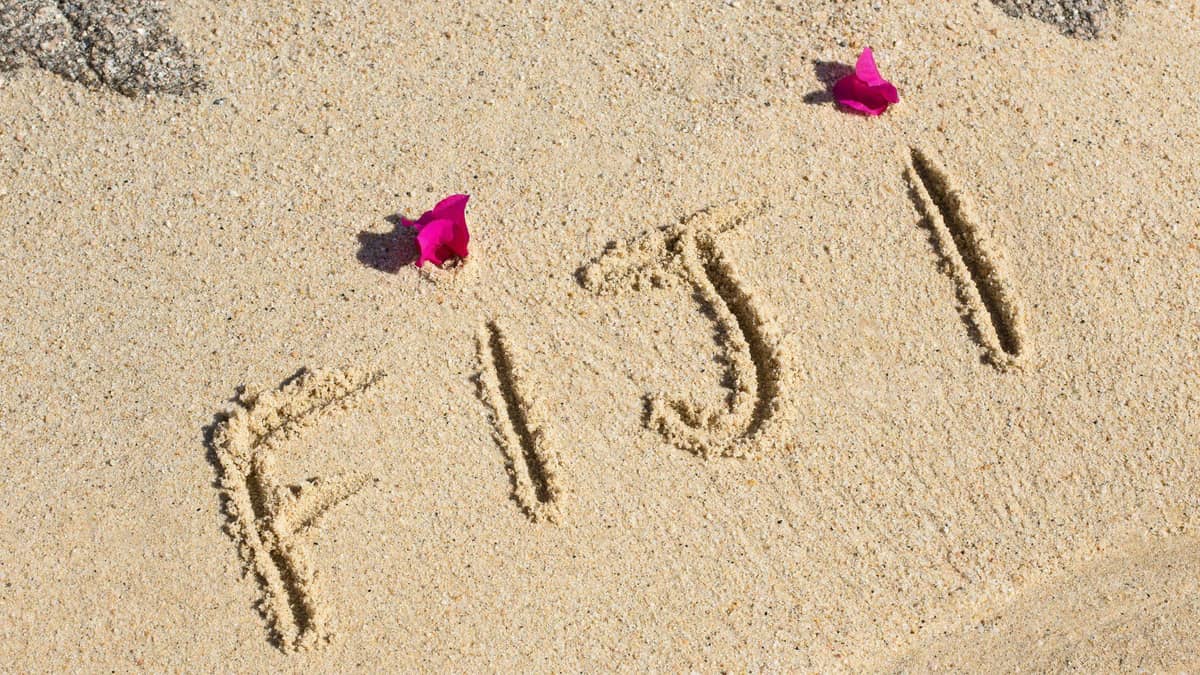
Explore Fiji: Ultimate Travel Guide, Top Attractions & Experiences
Fiji is a breathtaking tropical paradise, renowned for its turquoise lagoons, powdery white beaches, and lush, verdant islands. Spread across more than 300 islands, it offers a stunning mix of cultural richness, vibrant marine life, and diverse landscapes from serene coastal villages to dense rainforests and volcanic mountains. Whether you’re looking to lounge on sandy shores, dive among colorful coral reefs, hike scenic trails, or immerse yourself in traditional Fijian culture, Fiji has something for every kind of traveler.
Its warm, tropical climate makes it a year-round destination, but the experience varies significantly depending on when you visit. Some months offer sunny, dry weather ideal for water sports and island hopping, while others bring rain showers that make the islands greener and quieter. Understanding Fiji’s seasonal patterns can help you plan your trip perfectly, whether you’re seeking adventure, relaxation, or cultural experiences.
Fiji’s Seasons at a Glance
Fiji has two distinct seasons, each offering a unique experience, with small regional variations due to its many islands:
- Dry Season (May–October): Characterized by sunny skies, low humidity, and pleasant temperatures, this is considered the most popular time to visit Fiji. It’s perfect for beach activities, swimming in crystal-clear waters, snorkeling, scuba diving, sailing, and exploring remote islands. The dry months are also ideal for hiking trails, wildlife spotting, and attending outdoor festivals. Temperatures typically range from 22°C to 28°C, making it comfortable for all ages and types of travelers.
- Wet Season (November–April): This season is warmer and more humid, with frequent short rain showers and occasional tropical storms. Despite the rain, it’s a beautiful time to visit because the islands become lush and vibrant, waterfalls are at their fullest, and fewer tourists mean lower accommodation and flight prices. Average temperatures range between 25°C and 31°C. The wet season is perfect for travelers who enjoy quiet beaches, off-season deals, and exploring inland villages, rivers, and forests at a relaxed pace.
Choosing between these seasons depends on your travel priorities: the dry season is ideal for adventure and outdoor activities, while the wet season offers budget-friendly travel and a more tranquil experience. In the following guide, we’ll break down Fiji month by month so you can decide the perfect time for your trip.
Month-by-Month Guide: Best Time to Visit Fiji
January in Fiji: Hot and Lush
Vibe: Tropical and humid, with occasional rain showers.
Weather: 25–30°C; high humidity and tropical storms possible.
Crowds & Prices: Low to moderate; resorts may offer off-peak deals.
Pros: Vibrant greenery, waterfalls in full flow, fewer tourists in some islands.
Cons: Occasional tropical storms; outdoor activities like diving can be affected.
Best For: Nature lovers, budget travelers, and adventure seekers willing to embrace occasional rain.
February in Fiji: Tropical Adventure
Vibe: Warm, lively, and wet in some regions.
Weather: 26–31°C; rainfall is frequent but often short-lived.
Crowds & Prices: Low; off-season rates for accommodations.
Pros: Fewer crowds, lush island scenery, perfect for exploring inland villages.
Cons: Humid and wet; some outdoor tours may be canceled.
Best For: Eco-tourists, cultural explorers, and photographers.
March in Fiji: Rainy Season Peaks
Vibe: Hot and humid with heavy tropical showers.
Weather: 27–31°C; storms may occur but typically short.
Crowds & Prices: Low; ideal for off-season discounts.
Pros: Dense green landscapes, quieter beaches.
Cons: Outdoor water activities may be limited.
Best For: Budget travelers and adventure seekers who don’t mind humidity.
April in Fiji: Transition to Dry Season
Vibe: Warm and gradually less humid.
Weather: 26–30°C; rainfall decreases toward the end of the month.
Crowds & Prices: Moderate; shoulder season begins.
Pros: Comfortable beach days, fewer tourists, ideal for diving.
Cons: Some rain early in the month.
Best For: Couples, honeymooners, and early-season travelers.
May in Fiji: Start of Dry Season
Vibe: Warm, sunny, and pleasant.
Weather: 24–29°C; humidity drops, skies are clearer.
Crowds & Prices: Moderate; resorts start to fill up.
Pros: Ideal for beaches, snorkeling, diving, and water sports.
Cons: Higher demand than wet season.
Best For: Adventure lovers, families, and honeymooners.
June in Fiji: Peak Dry Season
Vibe: Perfect beach weather, mild humidity.
Weather: 22–28°C; calm seas and sunny skies.
Crowds & Prices: High season begins; book accommodations early.
Pros: Excellent conditions for snorkeling, diving, sailing, and island hopping.
Cons: Higher prices due to peak season.
Best For: Families, honeymooners, and outdoor enthusiasts.
July in Fiji: Ideal Winter Escape
Vibe: Warm, sunny, and dry; perfect for outdoor adventures.
Weather: 22–27°C; low humidity and clear waters.
Crowds & Prices: Peak season; resorts and flights can be pricey.
Pros: Pristine beaches, calm seas, and ideal for diving and snorkeling.
Cons: Higher accommodation costs.
Best For: Beach lovers, adventure seekers, and photography enthusiasts.
August in Fiji: Perfect for Sun & Sea
Vibe: Sunny, dry, and comfortable temperatures.
Weather: 22–27°C; light breezes, minimal rainfall.
Crowds & Prices: Peak season continues; plan early for hotels.
Pros: Excellent for cruises, island hopping, and outdoor activities.
Cons: Busy tourist areas.
Best For: Couples, families, and adventure travelers.
September in Fiji: Warm and Pleasant
Vibe: End of peak season, slightly fewer tourists.
Weather: 23–28°C; calm seas, sunny skies.
Crowds & Prices: Moderate; prices start decreasing toward end of month.
Pros: Ideal for scuba diving, fishing trips, and beach relaxation.
Cons: Some areas may start seeing occasional showers.
Best For: Couples, honeymooners, and nature lovers.
October in Fiji: Shoulder Season Beauty
Vibe: Warm, sunny, fewer crowds, tropical vibes.
Weather: 24–29°C; humidity rises slightly, occasional rain.
Crowds & Prices: Lower than peak; good for budget travelers.
Pros: Great for sightseeing, snorkeling, and exploring villages.
Cons: Slightly higher humidity than winter months.
Best For: Families, adventure travelers, and cultural explorers.
November in Fiji: Pre-Summer Warmth
Vibe: Hot, humid, preparing for wet season.
Weather: 25–30°C; occasional tropical showers.
Crowds & Prices: Low to moderate; off-peak rates for accommodations.
Pros: Fewer tourists, lush landscapes, perfect for inland tours.
Cons: Humidity rising; water activities may be affected.
Best For: Budget travelers, eco-tourists, and adventure seekers.
December in Fiji: Start of Wet Season
Vibe: Hot, tropical, festive atmosphere.
Weather: 26–31°C; humidity high, rain likely.
Crowds & Prices: Moderate to high due to holidays.
Pros: Beautiful landscapes, Christmas and New Year festivities, perfect for cultural experiences.
Cons: Occasional tropical storms; high humidity.
Best For: Festival-goers, honeymooners, and families seeking holiday experiences.
Worst Time to Visit Fiji
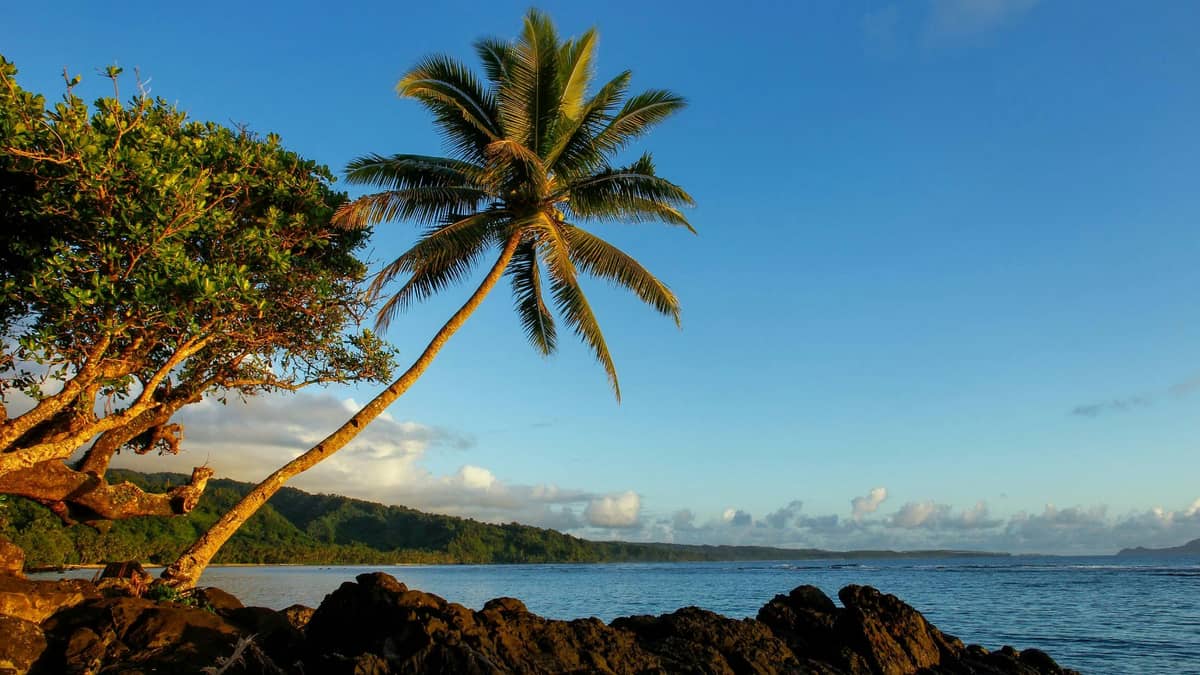
While Fiji can be visited year-round, certain months are less ideal due to high heat, humidity, and cyclone risk. Knowing the worst times helps you avoid weather disruptions and ensures a smoother trip.
- November to April (Wet Season / Cyclone Risk):
- Fiji experiences high humidity, frequent rain showers, and occasional tropical storms.
- Northern islands, like Vanua Levu, are more prone to cyclones, potentially disrupting travel plans.
- Outdoor activities like snorkeling, diving, and hiking may be limited during heavy rains.
- High Humidity & Heat:
- Daytime temperatures can reach 30–33°C, with the combination of heat and moisture feeling uncomfortable.
- Coastal towns may be sticky and less enjoyable for long outdoor explorations.
- Limited Accessibility:
- Some remote islands or inland attractions may be harder to reach due to flooding or rough seas.
- Certain ferry services and small airstrips may be suspended during storms.
- Tourist Considerations:
- Popular resorts may remain open, but visibility for water activities can be poor.
- High humidity may also trigger tropical illnesses or mosquito-borne diseases, so precautions are needed.
Tip: Travelers still visiting during this period should prioritize safety, check weather forecasts, purchase travel insurance, and focus on cultural, indoor, or coastal activities less affected by rainfall.
What to Pack for a Fiji Trip?
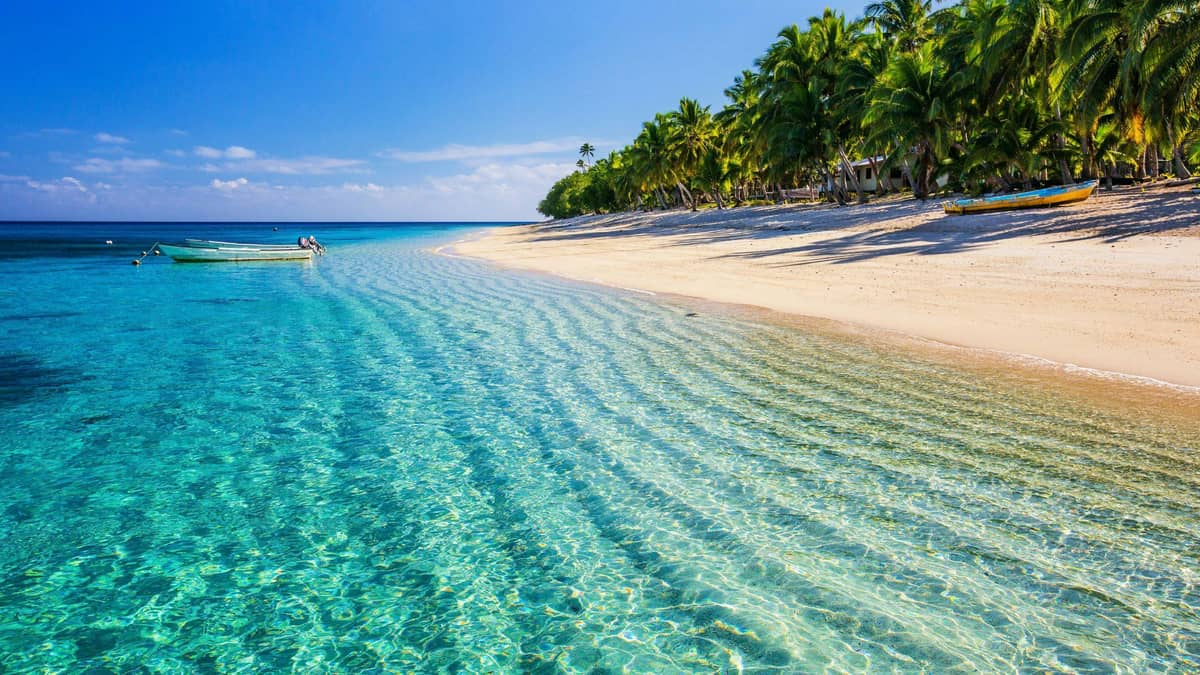
Packing smart ensures you enjoy Fiji’s tropical islands comfortably while staying prepared for outdoor activities and changing weather.
- Light, Breathable Clothing:
- Cotton t-shirts, shorts, sundresses, and tank tops are ideal for warm days.
- Pack a couple of long-sleeve shirts and pants for sun protection or cooler evenings.
- Swimwear & Beachwear:
- Essential for beaches, resorts, snorkeling, diving, and island hopping.
- Include rash guards for water sports or coral reef protection.
- Sun Protection:
- Broad-spectrum sunscreen (reef-safe recommended), sunglasses, and a wide-brim hat.
- Lip balm with SPF for extended outdoor exposure.
- Rain Gear & Light Jacket:
- A compact waterproof jacket or poncho for occasional showers.
- Light sweater for cooler evenings during the dry season.
- Footwear:
- Comfortable sandals for beaches and casual walks.
- Sturdy, waterproof hiking shoes for trails and waterfalls.
- Travel Accessories:
- Reusable water bottle, waterproof dry bag, and snorkeling gear if preferred.
- Power adapters (Fiji uses Type I plugs), camera, and binoculars for scenic views.
- Health & Safety Items:
- Insect repellent, basic first-aid kit, and any prescription medications.
- Reef-safe sunscreen to protect marine life while snorkeling.
- Extras:
- Lightweight backpack for day trips, beach towels, and casual evening attire for resorts.
Tip: Pack versatile, lightweight layers and check the regional weather before traveling to adapt to both dry and wet season conditions.
Which Season is Best for Your Fiji Travel?
For First-Time Visitors
Best Time: May to October (Dry Season)
These months offer warm, sunny days, low humidity, and calm seas perfect for beach holidays, snorkeling, and island exploration. You’ll enjoy the clear waters of the Mamanuca and Yasawa Islands, explore coral reefs, and relax at resorts without battling unpredictable rain.
Why It’s Ideal: Comfortable temperatures (26–30°C), excellent water visibility for diving and snorkeling, and fewer insects. First-time travelers can combine beaches, cultural villages, and adventure activities seamlessly.
For Budget Travelers
Best Time: November to April (Wet Season)
This off-season brings occasional rain showers, lush greenery, and lower hotel rates — sometimes up to 30–40% cheaper. While some outdoor activities may be affected by weather, you’ll experience Fiji’s natural beauty with fewer tourists.
Why It’s Ideal: Lower travel costs, relaxed attractions, and a chance to see a more authentic side of local life. Great for travelers who prioritize affordability over perfectly sunny skies.
For Families
Best Time: June to September
These months offer mild, pleasant weather and calm seas, ideal for children and family-friendly activities. Families can enjoy island hopping, water sports, cultural shows, and kid-focused resorts with minimal weather disruption.
Why It’s Ideal: Stable climate (25–28°C), safe swimming conditions, and family-oriented accommodations with seasonal activities.
For Adventure & Outdoor Enthusiasts
Best Time: May to October
The dry season opens up opportunities for scuba diving, surfing, hiking, and kayaking. Clear skies and calm waters allow for full-day excursions to islands, reefs, and waterfalls.
Why It’s Ideal: Reliable weather, vibrant landscapes, and open trails. Start early for hiking and diving to avoid midday heat.
For Culture & Festival Lovers
Best Time: July and August
Fiji hosts cultural festivals during these months, including Hibiscus Festival in Suva. Visitors can enjoy traditional dance, music, and crafts in villages across the islands.
Why It’s Ideal: Deep cultural immersion, authentic local experiences, and a lively, festive atmosphere that showcases Fijian traditions.
Final Thoughts
Fiji is a tropical paradise where turquoise waters meet lush landscapes. Each season offers unique experiences from adventure-packed dry months to quiet, lush wet-season escapes.
Explore Fiji Tourism for an overview of the islands, discover the top places to visit in Fiji, and don’t miss our curated guide to things to do in Fiji.
When planning your trip, browse exclusive Fiji Tour Packages by Travelfika for tailored itineraries, cultural experiences, and hassle-free travel.
No matter the season, Fiji’s charm awaits choose your ideal time and let Travelfika help you experience the islands at their very best.