IND: +91 9629929970
 USA: +1 (415) 718-2654
Best Time to Visit Seoul for Budget, Weather & Local Events
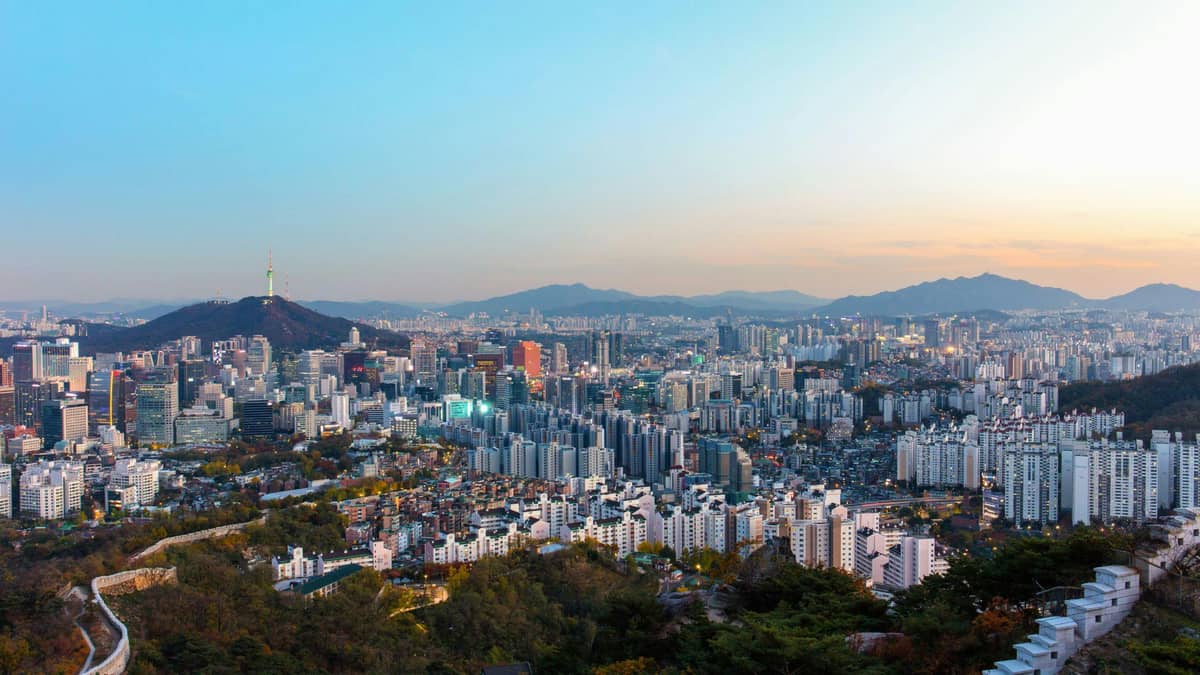
Seoul, the dynamic capital of South Korea, is a mesmerizing blend of ancient tradition and hyper-modern innovation. From the majestic palaces of Joseon Dynasty and the serene banks of the Han River to the cutting-edge fashion of Myeongdong and the global pop culture wave of K-Pop, the city offers an unforgettable experience. Unlike tropical destinations, Seoul boasts four distinct seasons, each painting the city in a dramatically different light. There's no single "best" time to visit, the perfect season depends on whether you seek cherry blossoms, vibrant autumn foliage, festive winter lights, or lush summer greenery.
Whether you're here to explore the historic gates of Bukchon Hanok Village, shop in the neon-drenched district of Gangnam, hike in Bukhansan National Park, or dive into the world's best street food, this guide will help you plan your perfect trip based on weather, crowds, and seasonal highlights.
Check out the Affordable South Korea Tour Packages and the Best Seoul Tour Packages for a hassle-free trip.
Seoul’s Seasons at a Glance
Seoul experiences a temperate climate with four distinct seasons, each offering a unique atmosphere and set of activities. The most dramatic and pleasant seasons are spring and autumn.
- Spring (March - May): A season of renewal. Mild temperatures and the city erupts in beautiful cherry blossoms and flowers. Ideal for outdoor exploration and festivals.
- Summer (June - August): Hot, humid, and rainy. The landscape is lush and green, but the monsoon season (Jangma) in July brings heavy rainfall. Vibrant summer festivals take place.
- Autumn (September - November): Arguably the most beautiful season. Crisp, cool air, clear blue skies, and stunning fiery foliage across the city and mountains. Perfect for hiking and photography.
- Winter (December - February): Cold and dry, with potential for snow. The city sparkles with festive lights and offers unique cold-weather experiences like skiing and cozy indoor dining.
For most travelers, the best time to visit Seoul is during the shoulder seasons of spring (April to early June) and autumn (September to November), when the weather is most comfortable for sightseeing.
Month-by-Month Guide: Best Time to Visit Seoul
Seoul in January
- Vibe: Frosty, festive, and serene.
- Weather: -6 - 2°C, cold and dry with potential for snow.
- Crowds & Prices: Moderate; peaks around New Year.
- Pros: Beautiful winter scenery, ski season, festive lights remain, low travel costs post-New Year.
- Cons: Bitterly cold, requiring heavy winter gear. Daylight hours are short.
- Best For: Skiers, couples, and travelers who enjoy winter activities and cozy indoor culture.
Seoul in February
- Vibe: Cold, romantic, and cultural.
- Weather: -3 - 4°C, still very cold, with a chance of snow.
- Crowds & Prices: High during Lunar New Year (Seollal); low otherwise.
- Pros: Experience Seollal traditions, winter sales, and ice fishing festivals.
- Cons: Major attractions and shops may close during Seollal holidays. Cold weather persists.
- Best For: Cultural enthusiasts and couples seeking a romantic winter getaway.
Seoul in March
- Vibe: Transitional, hopeful, and windy.
- Weather: 2 - 10°C, cold begins to loosen, but nights are still chilly.
- Crowds & Prices: Low to moderate; a shoulder season.
- Pros: Early blossoms at the end of the month, fewer crowds, affordable prices.
- Cons: Weather can be unpredictable, warm one day, cold the next. Yellow dust can begin.
- Best For: Budget travelers and photographers catching the first signs of spring.
Seoul in April
- Vibe: Energetic, beautiful, and sublime.
- Weather: 8 - 18°C, mild and pleasant, but with occasional rain.
- Crowds & Prices: High; peak cherry blossom season.
- Pros: Peak cherry blossoms at Yeouido Park and Kyungbokgung Palace, perfect hiking weather, outdoor cafes come to life.
- Cons: Crowded at popular blossom spots, higher accommodation prices.
- Best For: First-time visitors, photographers, nature lovers, and families.
Seoul in May
- Vibe: Warm, festive, and vibrant.
- Weather: 14 - 24°C, warm and sunny, with low humidity.
- Crowds & Prices: High; a very popular month due to perfect weather and holidays.
- Pros: Ideal weather for sightseeing, Buddha's Birthday lantern festivals, lush green parks.
- Cons: Crowds around Children's Day (May 5th) and other public holidays.
- Best For: Everyone, especially outdoor enthusiasts and culture seekers.
Seoul in June
- Vibe: Warm, humid, and green.
- Weather: 18 - 27°C, rising heat and humidity, start of the monsoon season.
- Crowds & Prices: Moderate.
- Pros: Lush landscapes, vibrant city life, indoor attractions are less crowded.
- Cons: Increasingly muggy, with the potential for heavy rainfall by month's end.
- Best For: Museum-goers, shoppers, and travelers who don't mind humidity.
Seoul in July
- Vibe: Hot, wet, and energetic.
- Weather: 22 - 29°C, peak of summer heat, humidity, and monsoon rains (Jangma).
- Crowds & Prices: Moderate; lower for international tourists.
- Pros: Lively summer festivals, vibrant night markets, and plenty of indoor activities.
- Cons: Uncomfortably hot and humid. Heavy rainfall can disrupt outdoor plans.
- Best For: Festival-goers and travelers focused on indoor and night-time activities.
Seoul in August
- Vibe: Sultry, busy, and patriotic.
- Weather: 22 - 30°C, similar to July, hot, humid, and rainy.
- Crowds & Prices: High domestically due to summer holidays.
- Pros: National Liberation Day celebrations on August 15th.
- Cons: The most oppressive heat and humidity of the year. Potential for typhoons.
- Best For: Experienving local summer holiday culture and indoor attractions.
Seoul in September
- Vibe: Relief, mild, and transitional.
- Weather: 17 - 26°C, heat and humidity break, becoming much more pleasant.
- Crowds & Prices: Moderate; a fantastic shoulder season.
- Pros: Excellent weather for sightseeing, Chuseok harvest festival (varies yearly), crowds thin out.
- Cons: Travel can be difficult during the Chuseok holiday as Koreans visit their families.
- Best For: All types of travelers; a great balance of good weather and manageable crowds.
Seoul in October
- Vibe: Crisp, picturesque, and festive.
- Weather: 10 - 20°C, cool, crisp air and clear skies.
- Crowds & Prices: High; peak foliage season.
- Pros: Stunning autumn foliage, especially in Seoraksan and Namsan Park, perfect hiking conditions, numerous cultural festivals.
- Cons: Airfare and hotels can be expensive due to high demand.
- Best For: Hikers, photographers, couples, and first-time visitors.
Seoul in November
- Vibe: Chilly, romantic, and colorful.
- Weather: 3 - 12°C, temperatures drop, but days can still be pleasant.
- Crowds & Prices: Low to moderate; foliage ends but city is beautiful.
- Pros: Late autumn colors early in the month, Christmas lights begin at the end, lower prices.
- Cons: Can be quite chilly, especially in the evenings.
- Best For: Photographers, couples, and travelers seeking autumn beauty with fewer crowds.
Seoul in December
- Vibe: Festive, cold, and sparkling.
- Weather: -3 - 4°C, cold and dry, with a high chance of snow.
- Crowds & Prices: High around Christmas and New Year.
- Pros: Magical Christmas markets and light displays, ski season starts, cozy atmosphere with street food like hotteok.
- Cons: Very cold weather, requiring heavy winter clothing. Expensive during the holiday period.
- Best For: Families, couples, and travelers who love winter festivals and snow.
Worst Time to Visit Seoul
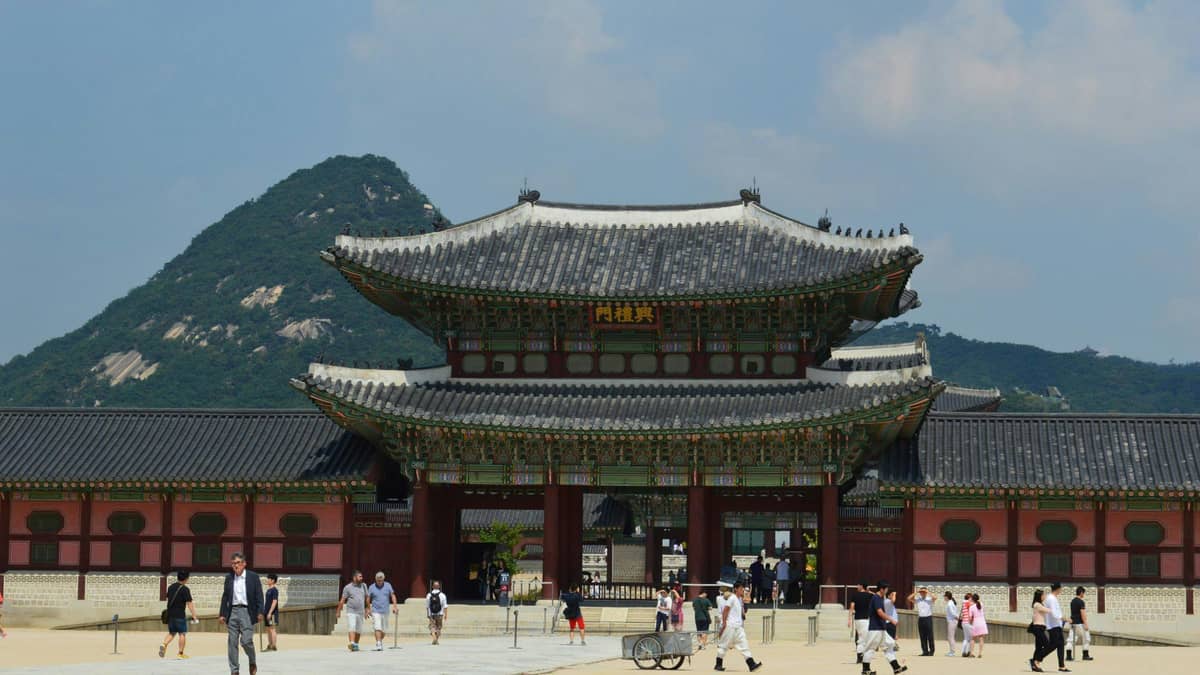
Worst Time for Weather: July & August
This is the peak of the hot, humid, and rainy summer. The monsoon season in July can bring torrential downpours that last for days, severely disrupting outdoor plans. August's heat and humidity can be oppressive, making extensive walking and sightseeing very uncomfortable. There is also a risk of typhoons during this period.
Worst Time for Crowds and Prices: Early May & Late September (Chuseok)
While the weather during these times is excellent, they coincide with major Korean holidays (Children's Day in May and Chuseok in autumn). During these periods, millions of Koreans travel to their hometowns, leading to fully booked trains and flights, crowded attractions, and inflated prices. It can be challenging to navigate the city and secure bookings.
Travel Tip:
For the absolute best balance, aim for the windows between mid-May and mid-June, or the second half of October, to avoid the peak holiday crowds while still enjoying fantastic weather.
What to Pack for Seoul (Season-Wise)
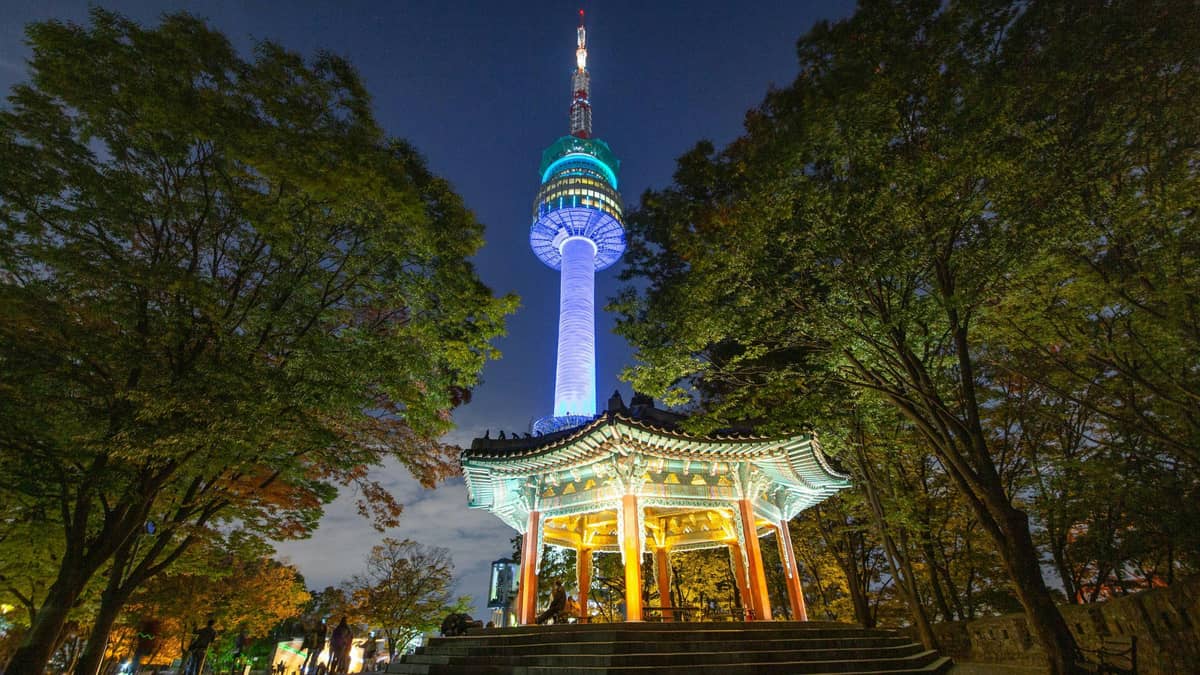
Spring (March-May):
- Layers are key: T-shirts, long-sleeves, a light sweater, and a medium-weight jacket.
- Comfortable walking shoes.
- A light scarf for windy days and cooler evenings.
- An umbrella for spring showers.
Summer (June-August):
- Lightweight, breathable clothing.
- Sunscreen, a hat, and sunglasses.
- A quality umbrella and a light, packable raincoat.
- Quick-dry clothes and extra socks.
- Mosquito repellent.
Autumn (September-November):
- Layers again: T-shirts, long-sleeves, cardigans, and a warm jacket or coat (especially for November).
- Comfortable closed-toe shoes or boots.
- A beanie and gloves for late autumn.
Winter (December-February):
- Thermal underwear (essential).
- A heavy, insulated winter coat, wool sweater, scarves, gloves, and a warm hat.
- Insulated, waterproof boots with good grip for potential ice.
- Lip balm and heavy moisturizer to combat dry, cold air.
Tip: Seoul is a style-conscious city, so pack a few smart-casual outfits for dining out or visiting upscale venues.
Which Season is Best for Your Seoul Travel?
For First-Time Visitors
- Best Time: April-May & October
- Why It’s Ideal: You'll experience Seoul with perfect weather for visiting palaces like Gyeongbokgung, exploring bustling markets, and hiking Namsan Mountain. The city is at its most visually stunning, either with cherry blossoms/spring flowers or vibrant autumn foliage, ensuring beautiful photos and comfortable exploration.
For Budget Travelers
- Best Time: March & November
- Why It’s Ideal: These are the shoulder seasons just outside the major peaks. The weather is cool but manageable, and you'll find significantly lower prices on flights and accommodation compared to April or October. With the right clothing, you can enjoy most of what Seoul has to offer without the crowds or high costs.
For Families
- Best Time: April-May & September-October
- Why It’s Ideal: The mild temperatures are comfortable for children to be outdoors for extended periods. Attractions like Lotte World, Seoul Children's Grand Park, and the palaces are much more enjoyable without the extreme heat or cold. The beautiful natural scenery also adds to the magical experience for kids.
For Hikers & Outdoor Enthusiasts
- Best Time: October
- Why It’s Ideal: This is the premier month for hiking in Bukhansan or Namsan National Park. The summer heat and humidity have vanished, replaced by crisp, cool air and clear skies. The mountains are set ablaze with stunning autumn colors, creating an unforgettable outdoor experience.
For Culture & Festival Lovers
- Best Time: Year-Round, but best in Spring & Autumn
- Why It’s Ideal: Seoul's festival calendar is packed. Spring offers the Cherry Blossom Festival and Lotus Lantern Festival (Buddha's Birthday). Autumn has the Seoul International Fireworks Festival and Chuseok traditions. Even winter has stunning light festivals. Choose a season that aligns with the events you most want to experience.
Final Thoughts
Seoul captivates visitors year-round with its dynamic energy, where ancient hanok villages stand shoulder-to-shoulder with futuristic skyscrapers. Each season unveils a new masterpiece from the delicate cherry blossoms of spring and the vibrant green canopies of summer to the fiery red autumn foliage and the serene, snow-dusted palaces of winter.
Whether you’re drawn to cutting-edge technology, deep-rooted culture, world-class cuisine, or scenic mountain hikes, there’s a perfect season waiting for you in this multifaceted capital.
If you’re planning your trip, explore South Korea Tourism for inspiration, discover Top Places to Visit in Seoul, and check out Things to Do in Seoul for the best attractions.
When ready, browse Seoul Tour Packages for tailored itineraries, cultural immersion, and seamless travel planning.
Each season offers a unique portrait of the city find your ideal moment and let Travelfika guide you through Seoul at its most magnificent.
FAQ's
Plan Your Trip with Our South Korea and Seoul Travel Guides
Complete South Korea Travel Guide for First-Time Visitors
Best Time to Visit South Korea for Every Season
Top Places to Visit in South Korea You Must Explore
Best Things to Do in South Korea for an Unforgettable Trip
Top Places to Visit in Seoul for First-Time Travelers
Best Things to Do in Seoul for Culture, Food & Fun
Best Time to Visit Seoul for the Perfect Experience
Affordable South Korea Tour Packages for Every Traveler