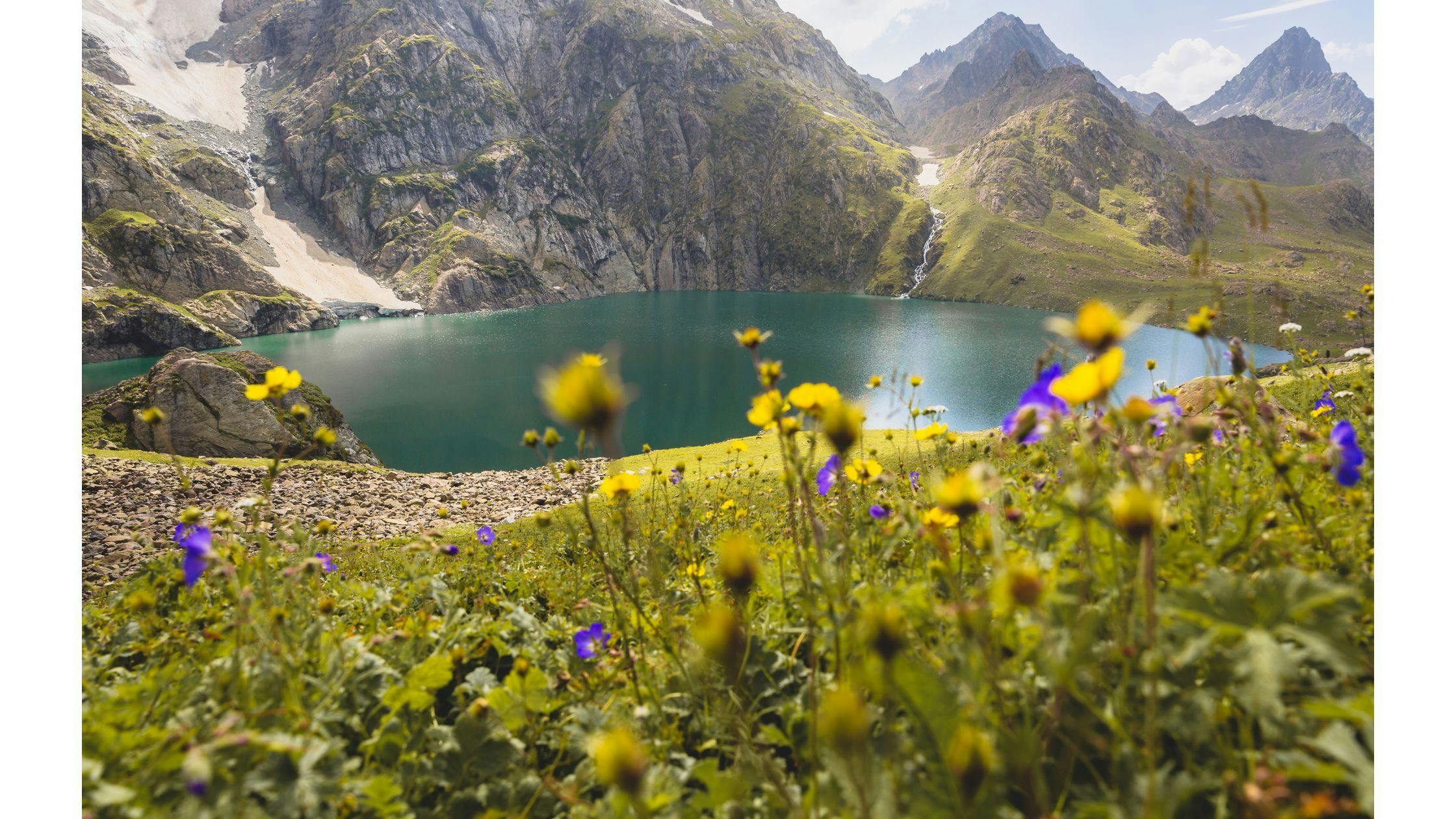
May is the month Kashmir shows off. The Tulip Garden in Srinagar, Asia's largest, is in full bloom through mid-May. Snow still crowns the peaks above Gulmarg. The Dal Lake is calm and cold and perfect. The meadows of Pahalgam are intensely green after the winter melt. And the light, the famous, much-photographed Kashmiri light, is at its most golden in the mornings and evenings.
Every year, May fills Kashmir to capacity. Flights to Srinagar from Delhi, Mumbai, and Bangalore are fully booked on weekends by April. Hotels in Gulmarg sell out months in advance. And still, first-time travellers who finally make it here in May understand immediately why this state has generated more poetry, music, and longing than almost any other place in the Indian subcontinent.
This guide is written for the May traveller, covering what makes this specific month special, what to actually prioritise, and how to navigate the crowds without letting them ruin the experience.
Kashmir has two peak windows: May–June and September–October. May has a specific quality that September cannot replicate:
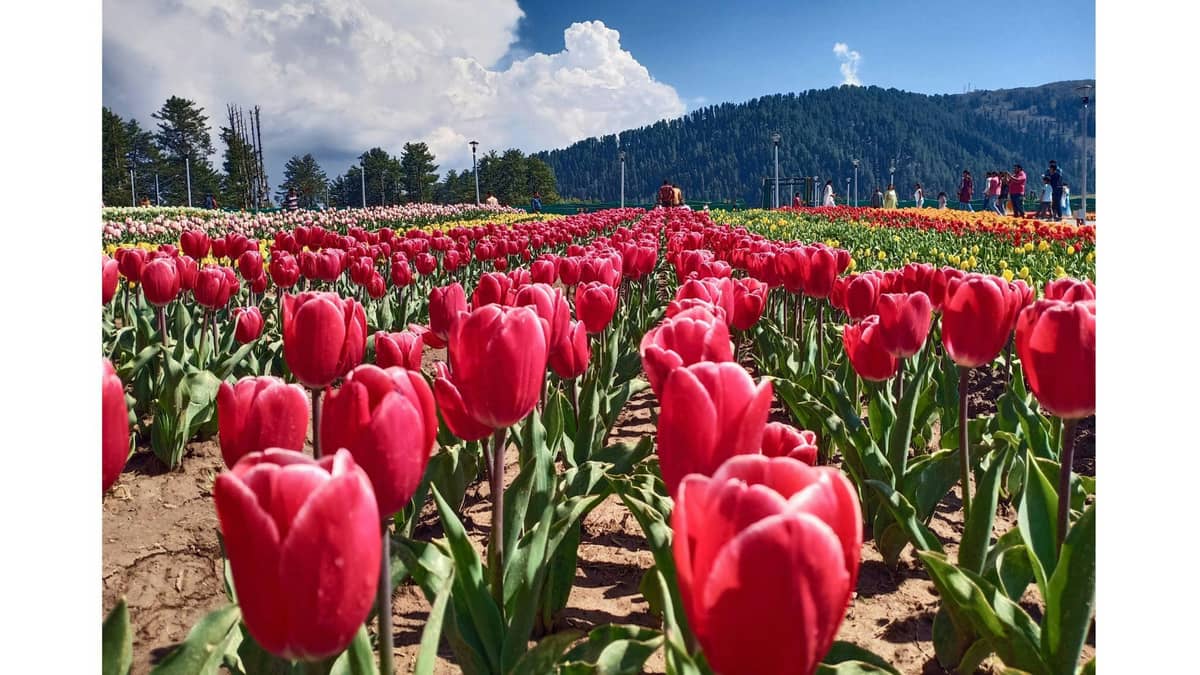
The tradeoff: May is also the most crowded month. Srinagar fills with domestic tourists. The Tulip Garden queues are long on weekends. Gulmarg cable cars have wait times. Managing these realities is the real skill of a May Kashmir trip.
Detail | Information |
|---|---|
State capital | Srinagar |
Altitude of Srinagar | 1,585 metres |
Altitude of Gulmarg | 2,650 metres |
Altitude of Pahalgam | 2,130 metres |
Altitude of Sonamarg | 2,740 metres |
Nearest airport | Sheikh ul-Alam International Airport, Srinagar |
ILP required | No (for Indian nationals) |
Best time in May | First three weeks |
This is always the first question, and it deserves a direct answer.
The Kashmir Valley, including Srinagar, Gulmarg, Pahalgam, and Sonamarg, has seen a significant improvement in the tourism environment over the past several years, with 2024 and 2025 recording some of the highest domestic tourist footfalls in the state's history. The government has invested heavily in tourist infrastructure, and millions of Indian families visited without incident.
That said, Kashmir is a complex region with an active geopolitical situation. The practical guidance is:
For the vast majority of May visitors in recent years, the experience has been entirely safe, warm, and unforgettable. The Kashmiri hospitality industry is deeply invested in tourism and visitors are welcomed genuinely.
City | Flight Time | Frequency |
|---|---|---|
Delhi | 1 hr 15 min | Multiple daily (IndiGo, Air India, SpiceJet) |
Mumbai | 2 hrs 20 min | Daily |
Bangalore | 2 hrs 45 min | Daily |
Hyderabad | 2 hrs 30 min | Multiple weekly |
Kolkata | 2 hrs 30 min | Multiple weekly |
Book flights for May by early March at the latest. May flights to Srinagar fill up extremely quickly and prices rise sharply. Mid-week flights (Tuesday–Thursday) are consistently ₹1,500–3,000 cheaper than weekend flights.
Delhi to Srinagar by road is approximately 880 km (15–18 hours). The route goes via Jammu and then the Jammu–Srinagar National Highway through the Banihal Tunnel. Road travel is scenic but long — better suited to travellers who want to combine Jammu (Vaishno Devi, Patnitop) with Kashmir.
The Banihal Tunnel (also called the Qazigund Tunnel) at 11.2 km is Asia's longest road tunnel and cuts driving time significantly compared to the old mountain road.
Train to Jammu Tawi (well-connected from Delhi, Mumbai, Kolkata), then shared taxi or bus to Srinagar via the national highway (4–5 hours). This is a cost-effective option that still allows you to experience the dramatic Banihal mountain section.
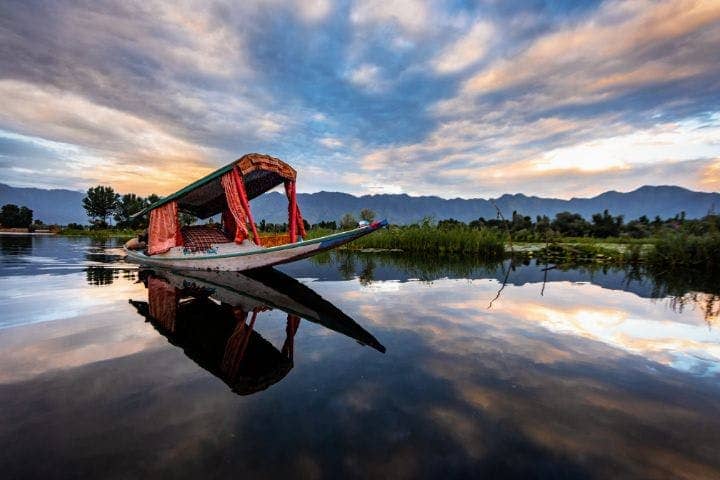
Every Kashmir trip begins and usually ends in Srinagar. The city sits on the banks of the Dal Lake and the Jhelum River, and its combination of Mughal garden heritage, the houseboat culture of Dal Lake, and the old city's wooden mosque architecture makes it one of the most visually distinctive urban environments in India.
The Indira Gandhi Memorial Tulip Garden in Srinagar is Asia's largest tulip garden, spread across 30 hectares on the slopes of the Zabarwan hills overlooking Dal Lake. It was established in 2007 to boost tourism and has become one of the most photographed destinations in India.
Detail | Information |
|---|---|
Location | Zabarwan Hills, Srinagar |
Entry fee | ₹50 (adults), ₹25 (children) |
Peak bloom | First three weeks of May (varies by year) |
Opening time | 9:00 AM |
Closing time | 7:30 PM |
Best visiting time | Early morning (9–11 AM) or late afternoon (4–7 PM) |
Crowd peak | Weekends, 11 AM–3 PM |
Tips for the Tulip Garden: Go on a weekday if you have any flexibility — weekends see enormous crowds and the queue for entry can be 45–60 minutes. Early morning has the best light and the fewest people. The garden is at its most spectacular in the first two weeks of May — by the third week some varieties begin fading.
No visit to Srinagar is complete without time on the Dal Lake. The lake is home to a floating village of shikaras (wooden boats), a network of houseboats ranging from basic to extravagant, floating vegetable markets that operate at dawn, and views of the Zabarwan Hills that have not changed materially in a century.
Staying on a houseboat is the quintessential Srinagar experience. Prices range from ₹1,500 per night for a basic houseboat to ₹15,000+ for premium heritage houseboats with ornate interiors. The quality varies widely — book through verified platforms and read recent reviews carefully.
Shikara ride on Dal Lake is non-negotiable. The best times are early morning (6–8 AM, when the floating vegetable market is active) and sunset. Price: ₹500–800 per hour (negotiate before boarding, and agree on total duration upfront).
The old city of Srinagar is a world away from the lakeside tourist zone — dense lanes, 600-year-old wooden mosques, artisan workshops producing papier-mâché, walnut wood carving, and pashmina. The Jama Masjid (1394 AD) is one of the most architecturally significant mosques in South Asia. The Hazratbal Shrine, housing a hair relic of Prophet Muhammad, is the most sacred site in the Kashmir Valley.
When visiting the old city, dress conservatively, remove footwear at religious sites, and approach the area with the respect it deserves — this is a living community, not a tourist attraction.
Three Mughal gardens are worth visiting in sequence, ideally on one afternoon:
Entry fees: ₹10–24 per garden. These gardens are genuinely beautiful and historically significant — do not skip them in favour of only doing the Tulip Garden.
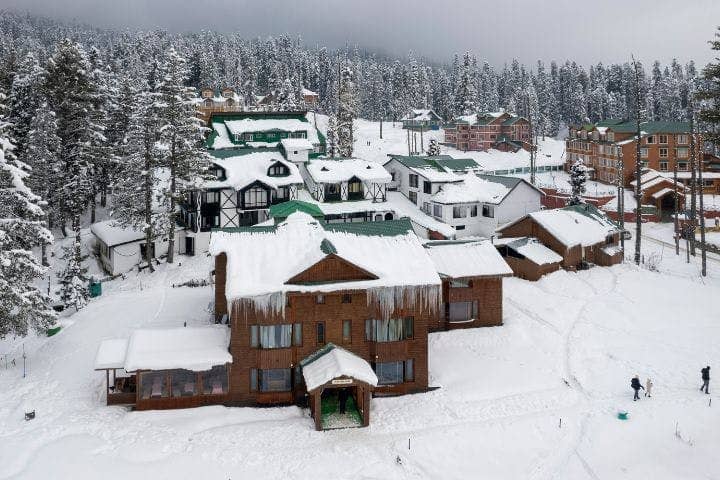
Gulmarg is 51 km from Srinagar (1.5–2 hours by road) and sits at 2,650 metres. In winter it is one of Asia's finest ski resorts. In May it transforms into something different: a high-altitude meadow destination where snow still covers the upper slopes, wildflowers carpet the lower meadows, and the Gondola cable car carries visitors to views of the Himalayan range at 3,980 metres.
The Gondola (Phase 1 to Kongdori at 3,050 m, Phase 2 to Apharwat Peak at 3,980 m) is the main attraction and the main logistics challenge. In May, queues for the Gondola can be 2–4 hours long on weekends.
How to manage the Gondola queue:
What to expect at Phase 2 (Apharwat, 3,980 m): Snow, extraordinary Himalayan views, and altitude that can cause shortness of breath if you are not acclimatised. Dress in warm layers regardless of the temperature in Gulmarg below — it is significantly colder at the top.
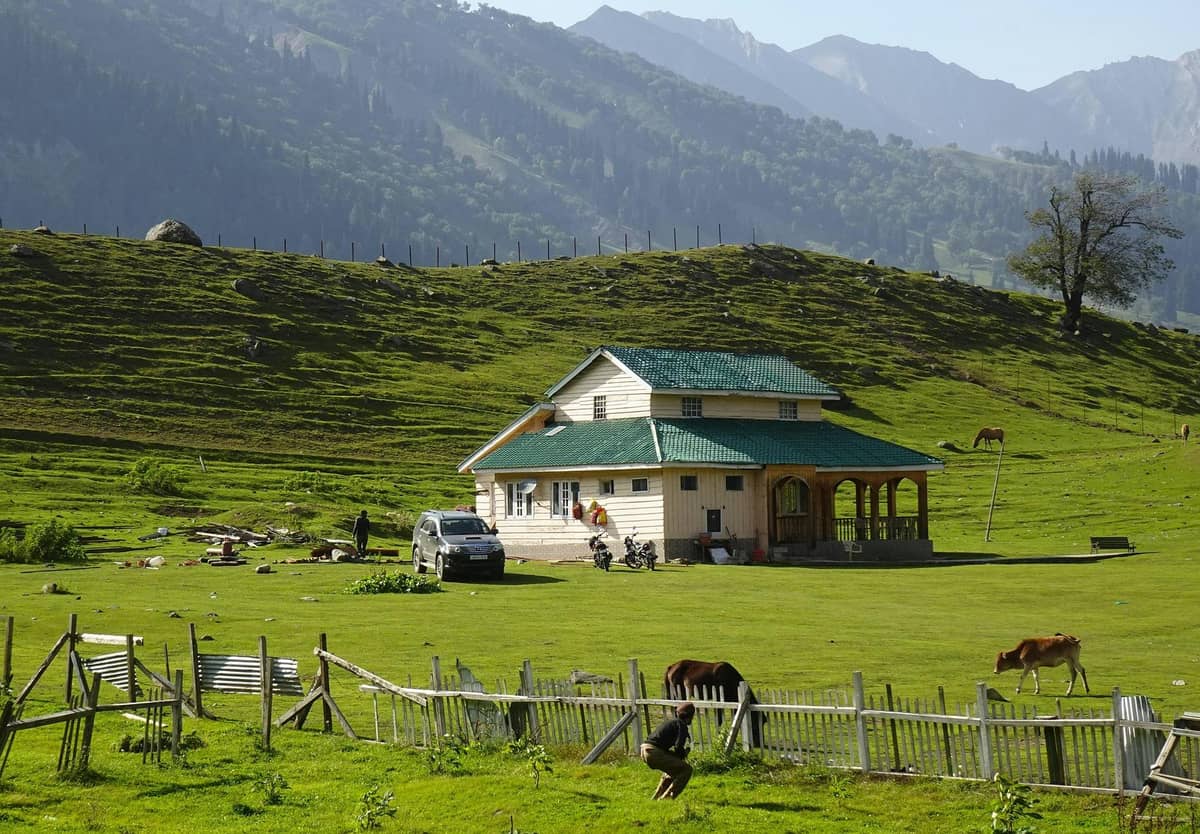
Pahalgam is 96 km from Srinagar (2.5–3 hours) and sits at 2,130 metres in the Lidder River Valley. It has historically been the base camp for the Amarnath Yatra, but as a travel destination it stands completely on its own merits.
Where Gulmarg is dramatic and vertical — all gondolas and ski slopes and snow peaks — Pahalgam is horizontal and green. The Lidder River runs clear and fast through a valley flanked by dense forests of pine and fir. The light in Pahalgam has a softness that Kashmir's higher destinations lack.
Pahalgam is best for travellers who want nature over adventure, long walks over cable cars, and a quieter pace than Srinagar's houseboat circus.
Betaab Valley — named after the 1983 Bollywood film shot here, this meadow 15 km from Pahalgam town is surrounded by snow peaks and pine forest. The river runs alongside the road for most of the way. Extremely photogenic and very popular with families.
Aru Valley — 12 km from Pahalgam, Aru is a quieter, more remote meadow and trekking base. Fewer tourists than Betaab, more authentic village atmosphere. The walk from Aru to Lidderwat meadow (8 km one way) is one of the finest day hikes in the Kashmir Valley.
Chandanwari — the starting point for the Amarnath Yatra trek, 16 km from Pahalgam. Even outside pilgrimage season, the drive to Chandanwari passes through spectacular river and forest scenery. Snow bridges over the Lidder River are sometimes still intact in early May.
Baisaran (Mini Switzerland) — a meadow 5 km from Pahalgam town, accessible only by horse or foot (no vehicles). The views of the surrounding peaks from the meadow have earned it a somewhat overused nickname, but the meadow itself is lovely.
Category | Gulmarg | Pahalgam |
|---|---|---|
Key attraction | Gondola, snow, mountain views | River valley, meadows, trekking |
Best for | Adventure, photography, snow | Nature walks, families, slower pace |
Crowd level in May | Very high | Moderate |
Distance from Srinagar | 51 km (1.5 hrs) | 96 km (2.5 hrs) |
Altitude | 2,650 m (Gondola up to 3,980 m) | 2,130 m |
Recommended duration | 1–2 days |
For a 5–7 day Kashmir trip, visit both. If you can only do one, choose based on the table above — Gulmarg for dramatic scenery and altitude experience, Pahalgam for green valleys and gentler exploration.
Sonamarg ("Meadow of Gold") is 62 km northeast of Srinagar at 2,740 metres. It is a day trip from Srinagar or a brief overnight stop, not typically a base for longer stays.

In May, Sonamarg is spectacular, the meadow is partially snow-covered, the Sindh River runs powerfully below the road, and the backdrop of Thajiwas Glacier (a 3 km walk or pony ride from the main meadow) provides one of Kashmir's finest glacier-accessible experiences.
Thajiwas Glacier walk: 3 km each way from the main Sonamarg meadow. The walk is easy and suitable for all fitness levels. The glacier itself retreats every year, so the experience has an urgency similar to visiting Majuli — you are seeing something that will be smaller next time.
Important: Sonamarg is near the Zoji La Pass, and in early May the pass may still be closed to vehicle traffic. Check current road conditions — if Zoji La is open, the drive beyond Sonamarg toward Ladakh is one of the finest mountain road experiences in India.
Arrive by flight. Check in to your houseboat. Afternoon shikara ride on Dal Lake (sunset timing is best). Dinner on the houseboat with Wazwan (the traditional Kashmiri multi-course meat feast).
Wake early — shikara to the floating vegetable market (5:30–7:00 AM, extraordinary if you can manage it). Breakfast on the lake. Tulip Garden by 9:30 AM. Nishat Bagh and Shalimar Bagh in the early afternoon. Old city and Jama Masjid in the late afternoon. Rest and early dinner.
Full day in Gulmarg. Leave by 7:00 AM. Gondola Phase 1 and 2 (book tickets online in advance). Afternoon horse ride or meadow walk. Return to Srinagar or stay overnight in Gulmarg.
Leave Srinagar by 8:00 AM. Drive to Pahalgam (2.5 hrs). Visit Betaab Valley, Aru Valley walk. Afternoon at Chandanwari. Stay overnight in Pahalgam — the evening atmosphere by the Lidder River is genuinely lovely.
Morning drive to Sonamarg (2.5 hrs from Pahalgam via Srinagar). Thajiwas Glacier walk. Return to Srinagar by afternoon. Evening shikara or last walk around Dal. Depart next morning.
Category | Budget | Mid-Range | Premium |
|---|---|---|---|
Flights (round trip, Delhi–Srinagar) | ₹5,000–8,000 | ₹8,000–14,000 | ₹16,000–30,000 |
Accommodation(5 nights - mix of houseboat + hotel) | ₹6,000–10,000 | ₹15,000–30,000 | ₹45,000–1,00,000 |
Local transport (taxi between destinations) | ₹4,000–7,000 | ₹8,000–14,000 | ₹15,000–25,000 |
Gondola tickets (Gulmarg Phase 1 + 2) | ₹1,100–1,500 | ₹1,100–1,500 | ₹1,100–1,500 |
Meals (5 days) | ₹2,500–4,000 | ₹5,000–9,000 | ₹12,000–22,000 |
Shikara, Tulip Garden, gardens (entry / activities) | ₹1,500–3,000 | ₹2,500–4,500 | ₹4,000–7,000 |
Total (per person) | ₹20,100–33,500 | ₹39,600–73,000 | ₹93,100–1,85,500 |
May pricing note: Kashmir accommodation and local taxi prices are at their peak in May. Negotiate taxi rates firmly — the standard tourist premium is significant. Hiring a fixed local cab driver for multiple days (rather than separate taxis each day) typically reduces transport costs by 20–30%.
Book everything in advance. May is peak season. Flights, houseboats, and Gulmarg accommodation should be booked at least 6–8 weeks ahead. Gondola tickets should be booked online 2–3 days before your Gulmarg visit.
Carry warm layers even in May. Srinagar days are pleasant (15–22°C) but Gulmarg and Sonamarg can be 5–10°C or below at the gondola top. A down jacket and windproof layer are essential.
Bargain for shikara and taxi fares. Both are negotiable. Ask your hotel what the current fair rate is before engaging with drivers independently.
Buy pashmina from verified sellers only. The Kashmir pashmina market is rife with synthetic imitations sold as genuine wool. Buy from government emporiums (Kashmere Craft) or certified weavers, and ask for a GI (Geographical Indication) tag certificate.
Eat Wazwan at least once. The traditional Kashmiri feast of 30+ courses, rogan josh, yakhni, gushtaba, tabak maaz, eaten from a shared tram plate with your hands. It is one of the great eating experiences of India and cannot be replicated outside the Valley.
Kashmir in May is a sensory overload in the best possible way, but it requires flexibility. Crowds at the Tulip Garden will be large. Your shikara driver will try to take you to carpet shops. The taxi haggling will be relentless. Local children will ask for money in tourist zones.
None of this should put you off. It is the texture of tourism everywhere in India at peak season, and Kashmir is no different. What sets Kashmir apart is the moment you are on a shikara at sunrise with the mountains reflecting in the Dal, or standing in Betaab Valley with the Lidder river below and pine forest above and the sound of silence above the water, and you understand, without needing anyone to explain it, why this place has been called paradise for three thousand years.
Get updates, exclusive deals, insider tips & special offers—straight to your inbox!
 USA: +1 (415) 718-2654
 IND: +91 9629929970
 IND: +91 9629929970
 USA: +1 (415) 718-2654